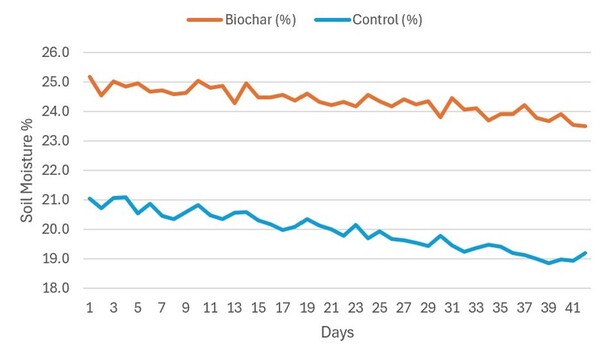
Here, the authors investigated the ability to use fruit peels to help soil retain moisture, a property that is essential to agriculture. Across a 96-hour observation period, orange, banana, and kiwi peel water emulsions were evaluated for their effects on soil moisture. They found that orange peels retained the most moisture, but banana and kiwi peels also offered improvements over their control sample.
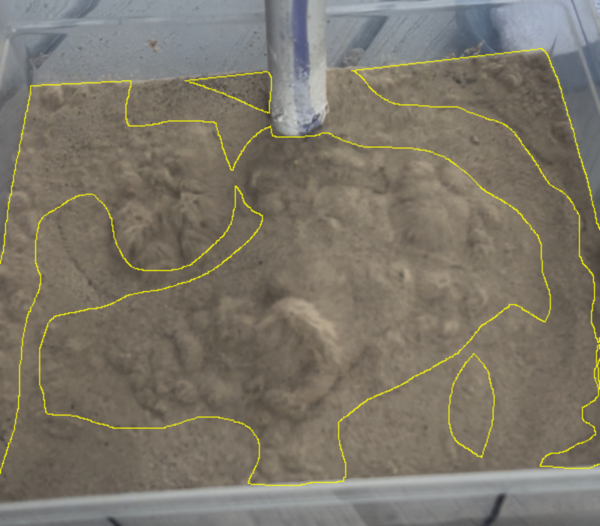
This study investigates the effect of water saturation in a two-layer fluidization behavior of an overlying dry sand bed. Building on prior work showing that moisture inhibits fluidization in granular media, the authors address an underexplored configuration involving layered dry and wet sand. The experiments demonstrate that even minimal water saturation in the sub-layer prevents uniform fluidization of the dry upper layer, leading to the conclusion that two-layer fluidized beds with moisture are not viable under the conditions tested.
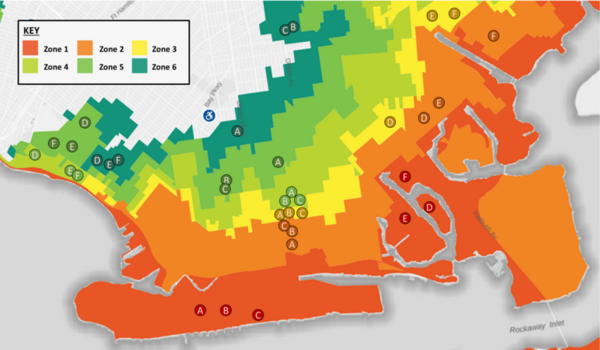
With climate change and rising sea levels, south Brooklyn is exposed to massive flooding and intense precipitation. Previous research discovered that flooding shifts plant species distribution, decreases soil pH, and increases salt concentration, nitrogen, phosphorus, and potassium levels. The authors predicted a decreasing trend from Zone 1 to 6: high-pH, high-salt, and high-nutrients in more flood-prone areas to low-pH, low-salt, and low-nutrient in less flood-prone regions. They performed DNA barcoding to identify plant species inhabiting flood zones with expectations of decreasing salt tolerance and moisture uptake by plants' soil from Zones 1-6. Furthermore, they predicted an increase in invasive species, ultimately resulting in a decrease in biodiversity. After barcoding, they researched existing information regarding invasiveness, ideal soil, pH tolerance, and salt tolerance. They performed soil analyses to identify pH, nitrogen (N), phosphorus (P), and potassium (K) levels. For N and P levels, we discovered a general decreasing trend from Zone 1 to 6 with low and moderate statistical significance respectively. Previous studies found that soil moisture can increase N and P uptake, helping plants adopt efficient resource-use strategies and reduce water stress from flooding. Although characteristics of plants were distributed throughout all zones, demonstrating overall diversity, the soil analyses hinted at the possibility of a rising trend of plants adapting to the increase in flooding. Future expansive research is needed to comprehensively map these trends. Ultimately, investigating trends between flood zones and the prevalence of different species will assist in guiding solutions to weathering climate change and protecting biodiversity in Brooklyn.
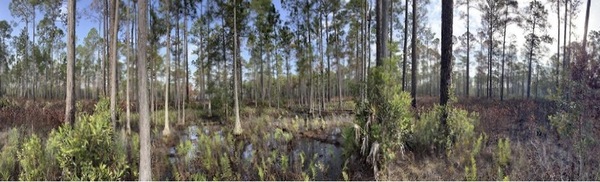
This study examined how prescribed fires affect arthropods in riparian zones surrounding wetlands in north-central Florida. Researchers found that spider abundance remained largely unchanged, while springtail abundance initially decreased but rebounded substantially one month after burning, suggesting early recovery of the riparian food web.
The study explored converting Gracilaria seaweed waste—known for releasing toxic hydrogen sulfide when decomposed—into biochar as a sustainable solution for waste management and soil improvement.
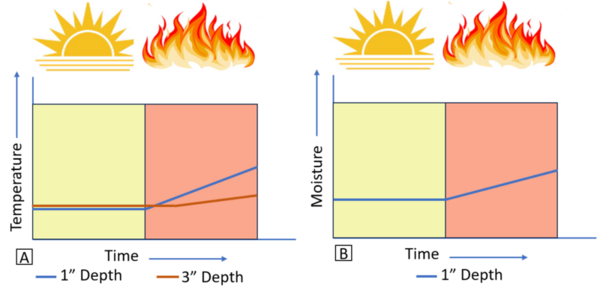
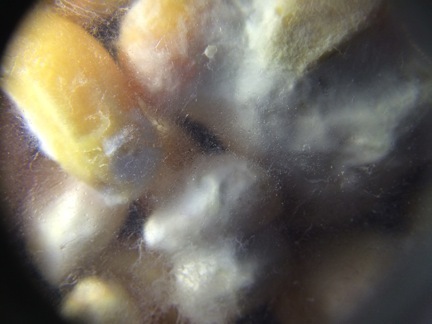
Chemical preservatives are often used to reduce grain spoilage due to mold, but can have harmful heath and environmental effects. In this study, the authors tested three low toxic compounds for their effects on mold growth on corn kernels and found that all three were successful at slowing growth.
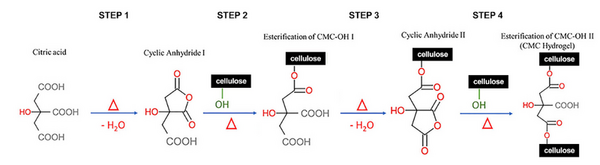
Hydrogels are commonly used in medicine, pharmaceuticals, and agriculture. Hydrogels absorb water by swelling and re-release this water by diffusion. This study sought to synthesize a biodegradable, cellulose-based hydrogel that is more effective at absorbing and re-releasing water than those produced by current methods. We tested the compressive strength of both the dry and swollen gels and the tensile strength of the swollen gels to elucidate the gel structure.
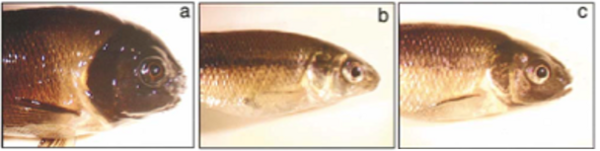
Androgens are natural or synthetic steroid hormones that control secondary male sex characteristics. Androgens are excreted in cattle urine and feces, and can run off or seep into nearby waters, negatively impacting aquatic life and potentially polluting human water sources. Here, the authors investigated the effectiveness of soil as a natural barrier against androgen flow into vulnerable waterways. Their results, obtained by testing diffusion patterns of luminol, an androgen chemical analog, indicated that soil is a poor barrier to androgen diffusion.
This study assesses the capacity for milkweed species, an important host plant for Monarch butterflies, to grow in desert environments with different water levels.