Browse Articles

An Exploration of a Honey-Ginger Supplement as an Antimicrobial Agent

Phillips et al. | Jul 10, 2016

An Exploration of a Honey-Ginger Supplement as an Antimicrobial Agent

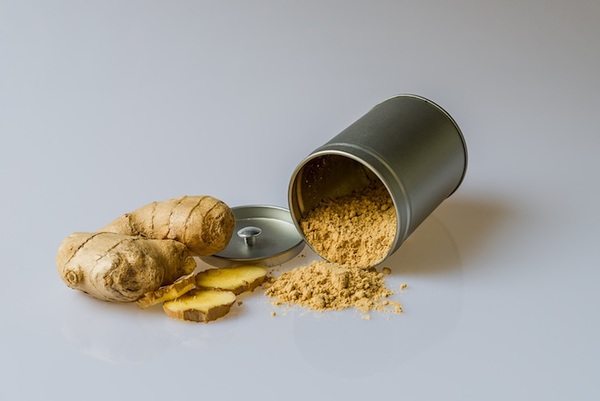
Due to the increase in antimicrobial resistance, alternative medicinal therapies are being explored. Studies have shown that honey and ginger alone have antimicrobial effects on the genera Staphylococcus and Escherichia, including S. epidermidis and E. coli. The authors of this study tested whether a honey-ginger supplement, Jengimiel™, could be used as an antimicrobial agent against S. epidermidis and E. coli K-12.

Read More...
The Effects of Ultraviolet Light on Escherichia coli

Kodoth et al. | Sep 07, 2015

The Effects of Ultraviolet Light on <em>Escherichia coli</em>

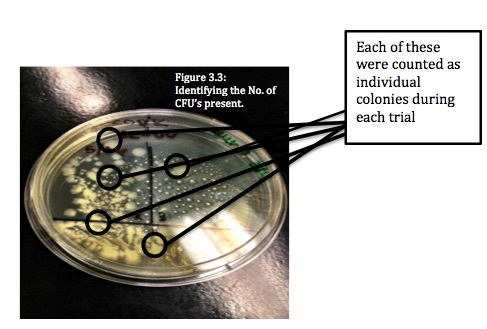
In this study E. coli bacteria was exposed to small UV lights currently used in school laboratories to see the effect on colony growth. This project explores how UV radiation methods could be applied in common households to inhibit bacterial growth.

Read More...

The Effect of Delivery Method, Speaker Demographics, and Physical Environment on the Engagement Level of Older Adults

Seides et al. | May 24, 2015

The Effect of Delivery Method, Speaker Demographics, and Physical Environment on the Engagement Level of Older Adults

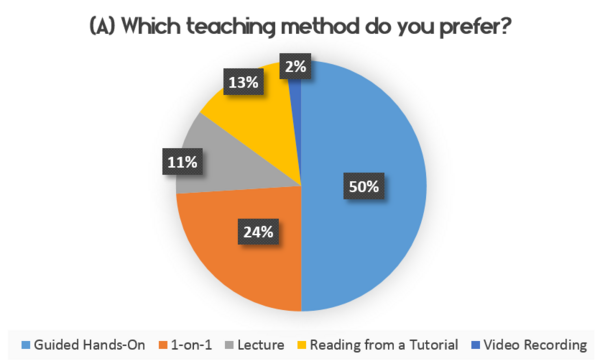
With an increasing older adult population and rapid advancements in technology, it is important that senior citizens learn to use new technologies to remain active in society. A variety of factors on learning were investigated through surveys of senior citizens. Older adults preferred an interactive lesson style, which also seemed to help them retain more course material.

Read More...

Exogenous foliar thiamine application as an alternative strategy to mitigate lead stress in Lepidium sativum

Chen et al. | Oct 28, 2026

Exogenous foliar thiamine application as an alternative strategy to mitigate lead stress in <i>Lepidium sativum</i>

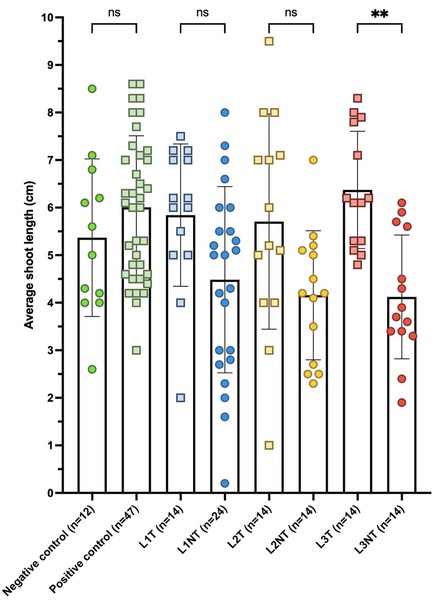
This study investigated whether thiamine (vitamin B1) could mitigate the harmful effects of lead contamination on plant growth. Using garden cress (Lepidium sativum), we found that lead exposure reduced plant growth and biomass, while thiamine treatment partially alleviated these effects, improving shoot length and overall plant length. These findings highlight the potential of thiamine as a simple strategy to improve plant resilience to heavy metal stress, with implications for agricultural productivity and food security.

Read More...

Understanding the correlation between various pollutants and cancer across geographical clusters in the U.S.

Naik et al. | Sep 12, 2026

Understanding the correlation between various pollutants and cancer across geographical clusters in the U.S.

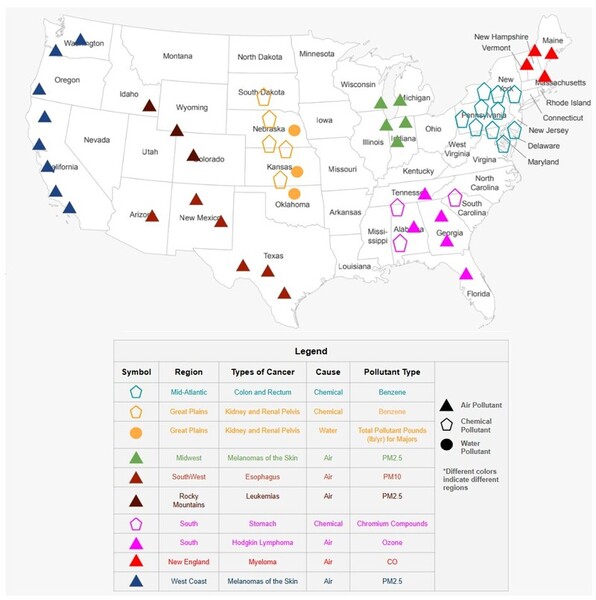
Here the authors investigate the relationship between environmental pollutants and cancer incidence rates across various geographical clusters in the United States from 2018 to 2020. By calculating Pearson correlation coefficients and t-statistics on CDC and EPA data, they demonstrated a strong correlation between specific pollutants and various cancers, offering insights that could help explain regional disparities in cancer rates and aid in preventing premature deaths.

Read More...

Mining social media posts: An alternative approach to understanding home health care workers’ experiences

Tang et al. | Jun 15, 2026

Mining social media posts: An alternative approach to understanding home health care workers’ experiences
Image credit: Markus Winkler

This study developed an effective method for extracting valuable information from social media data and employed computer-assisted human coding alongside the AI-powered tool to analyze social media posts. The findings provide a deep understanding of the major challenges that home health care workers are experiencing and offer important implications regarding how to improve home healthcare workers' well-being, and provide suggestions on optimizing the home health care service experience.

Read More...

Examining the impact of consecutive losses on gambling: When do we decide to quit?

Kim et al. | Apr 28, 2026

Examining the impact of consecutive losses on gambling: When do we decide to quit?
Image credit: Kim, Cragun, and Kim

This article explored the question of when do people decide to stop gambling and further tries to extrapolate why people stop gambling at that point. Their study showed that people tend to quit gambling after 4 consecutive losses, significantly more than 1-3 consecutive losses or a win previous to quitting. They also found that participants commonly quit at a point value approximately 5 points greater than or less than their starting balance. The authors concluded that these results may be important in understanding how to cut down on excessive gambling or in creating policies that make it easier for people to disengage from gambling.

Read More...