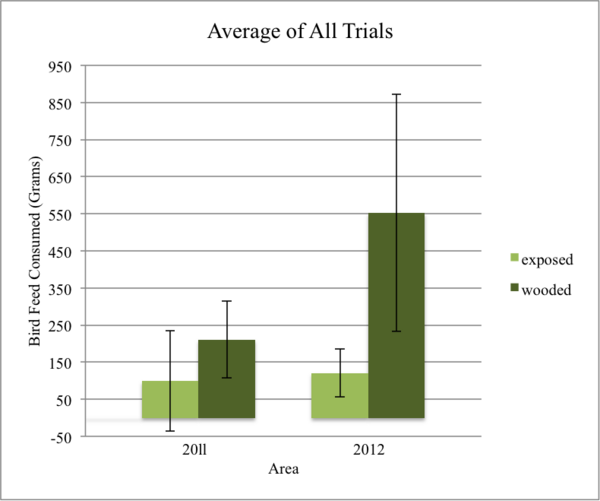
Habitat loss and global warming remain present-day issues that continue to place pressures on various ecosystems and their species. The authors of this paper performed studies over two years to understand whether birds feed more from wooded or exposed areas.
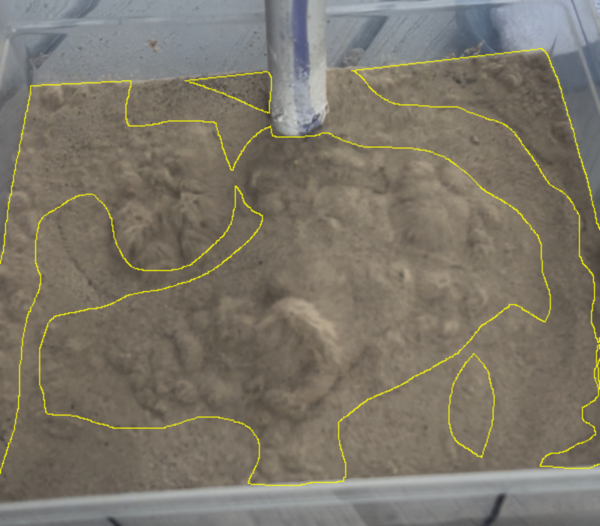
This study investigates the effect of water saturation in a two-layer fluidization behavior of an overlying dry sand bed. Building on prior work showing that moisture inhibits fluidization in granular media, the authors address an underexplored configuration involving layered dry and wet sand. The experiments demonstrate that even minimal water saturation in the sub-layer prevents uniform fluidization of the dry upper layer, leading to the conclusion that two-layer fluidized beds with moisture are not viable under the conditions tested.
Here the authors investigated how climate change-induced ocean acidification may impact harmful micro algae such as diatoms that produce large amounts of oxygen in the atmosphere and serve as important food sources for other marine organisms. They evaluated diatom growth rates at current seawater pH levels (8.1) alongside reduced pH levels (7.5 and 6.8). The findings indicate that while diatoms maintain steady growth under moderate acidification (pH 7.5), severe acidification down to pH 6.8 significantly limits their ability to adapt and thrive.
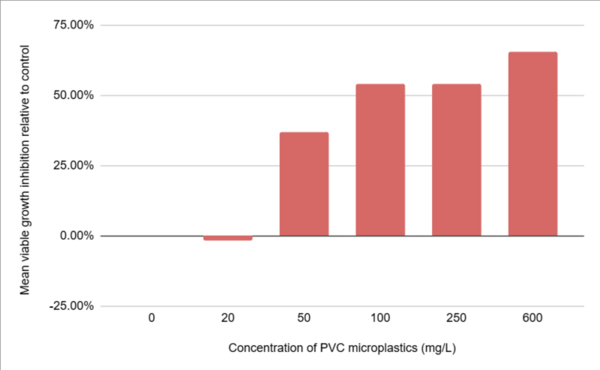
This study examined the effect of varying PVC microplastic concentrations on the growth of Chlorella vulgaris in freshwater, utilizing six PVC levels and identical culture conditions. Cell counts revealed that higher PVC concentrations consistently reduced algal growth, and a Spearman correlation test detected a significant negative monotonic association between PVC concentration and viable cell density. These results support the hypothesis that PVC microplastics impair algal growth, underscoring their ecological risk in freshwater environments.
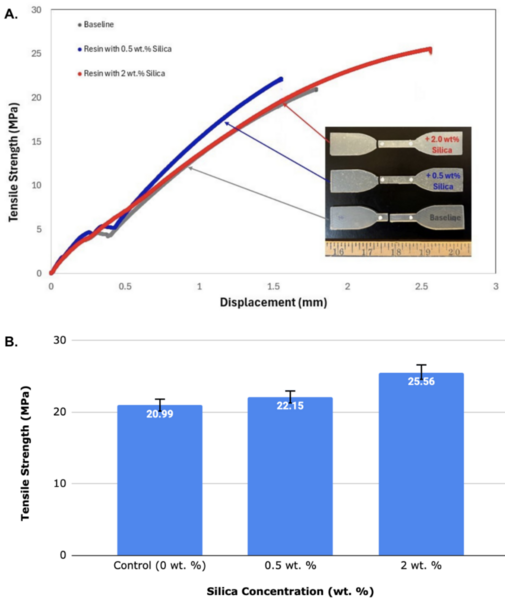
This manuscript focuses on improving the mechanical strength and radiopacity of SLA 3D-printed stent materials by incorporating nanoparticles for their application in flow-diverting stents (FDSs) used to treat aneurysms. The authors used biocompatible, bioresorbable resin formulations with varying concentrations of silica and zirconium to enhance tensile strength and radiopacity, respectively. The authors employed SEM to confirm the incorporation of nanoparticles, and CT imaging was used to assess the effect of zirconium-infused FDSs.
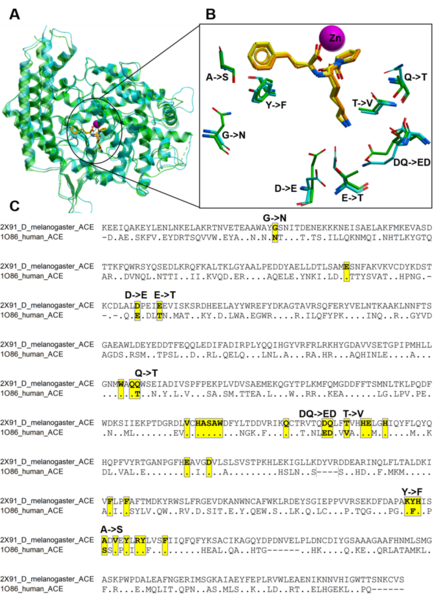
This study examines the possibility of utilizing proteins from Drosophila melanogaster in early drug discovery. Structural and sequence analysis of five diverse Drosophila proteins and its human homologs were conducted. Drosophila proteins with high conservation of amino acids at functionally significant positions are better candidates for use as human surrogate in drug discovery efforts.
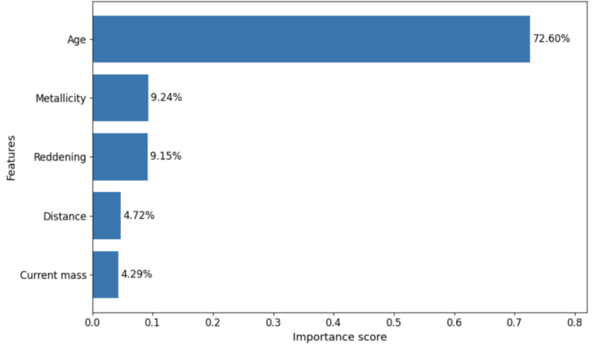
Machine learning offers a powerful way to analyze large astronomical datasets and identify stars with unusual properties. In this study, students used Extreme Gradient Boosting and Isolation Forest models to investigate why some red clump stars deviate from their expected luminosities. Their results show that stellar age plays a much stronger role than metallicity in driving luminosity variation, and the models successfully detected outlier stars that may affect distance measurements in galactic studies.
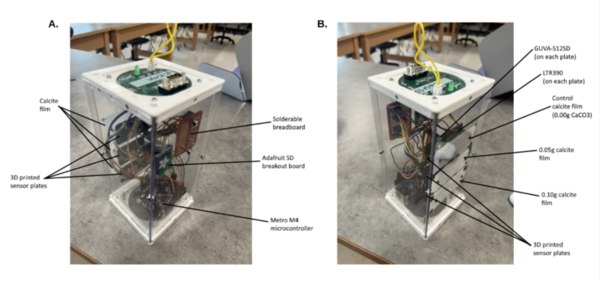
This study tested whether calcite, a safe and naturally occurring mineral, can block ultraviolet (UV) radiation when used in solar geoengineering. Students launched a high‑altitude balloon carrying UV sensors and calcite‑coated sheets to measure how much UV light passed through different calcite concentrations. Their results showed that calcite significantly reduces UV transmission, suggesting it may be a promising material for future stratospheric aerosol injection to help mitigate climate change.
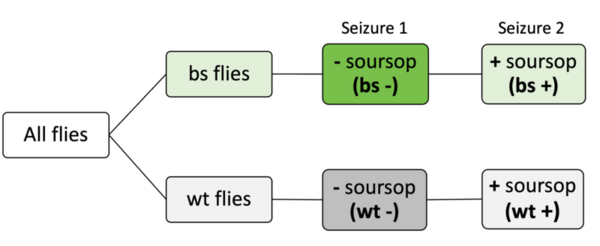
This study investigated whether soursop, a ketogenic diet-related compound called BHB, and circadian synchronization could reduce seizure recovery time in fruit flies used as a model for epilepsy.
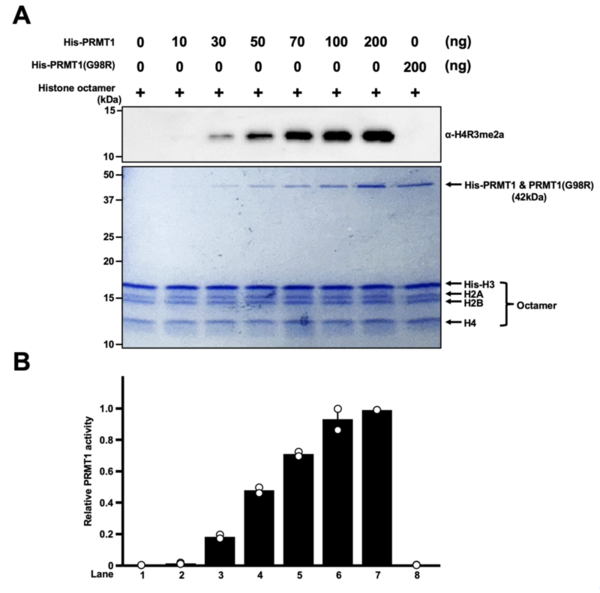
This study characterizes recombinant human Protein arginine methyltransferase 1 (PRMT1) expressed in Escherichia. coli and reveals that the enzyme exhibits leaky expression even without isopropyl β-D-1-thiogalactopyranoside (IPTG) induction. Through in vitro histone methyltransferase assays, we demonstrate that PRMT1 activity toward histone H4R3 is enhanced by dithiothreitol (DTT) in a dose-dependent manner but remains unresponsive to β-mercaptoethanol. These findings highlight the critical role of redox conditions in regulating PRMT1 catalytic function and provide a practical framework for future biochemical and kinetic studies.