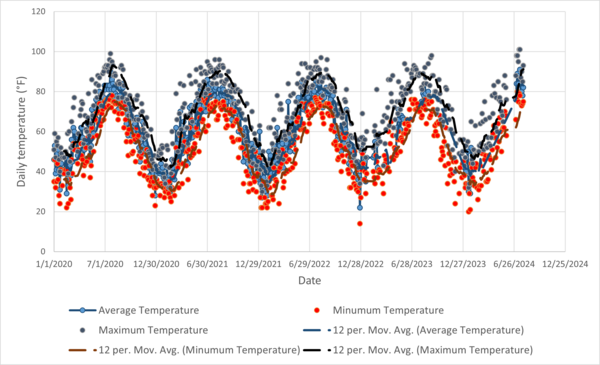
The authors studied the relationship between air quality and weather conditions (wind speed, precipitation, and temperature) in the Washington D.C. area.
Read More...The relationship between meteorological factors and air quality in Washington D.C. metropolitan area
The authors studied the relationship between air quality and weather conditions (wind speed, precipitation, and temperature) in the Washington D.C. area.
Read More...Environmental contributors of asthma via explainable AI: Green spaces, climate, traffic & air quality
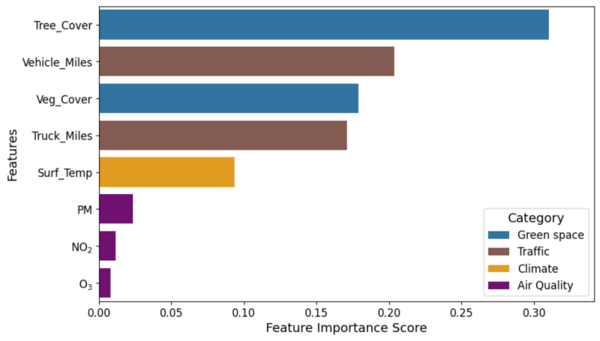
This study explored how green spaces, climate, traffic, and air quality (GCTA) collectively influence asthma-related emergency department visits in the U.S using machine learning models and explainable AI.
Read More...The development of FeO(OH) nanoparticles to extract synthetic motor oil from freshwater
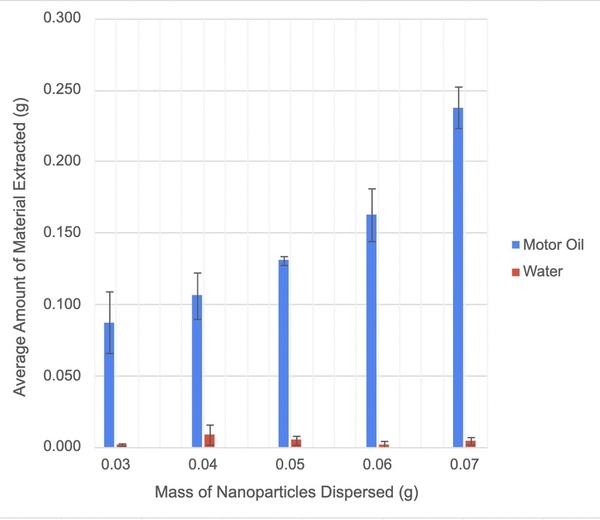
This study aimed to combat widespread hydrocarbon residue persistently polluting global water sources by developing and testing the ability of modified iron(III) oxide-hydroxide (FeO(OH)) nanoparticles to remove small amounts of motor oil from freshwater
Read More...The effect of lead oxide concentrations on the bioluminescence intensity of Panellus stipticus
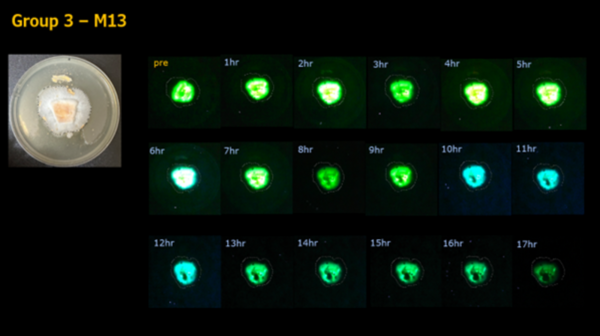
Here the authors investigate the potential of the bioluminescent fungus Panellus stipticus to serve as a sustainable bioindicator for environmental lead contamination. Their findings demonstrate that higher lead concentrations cause a measurable decrease in fungal bioluminescence intensity over time suggesting that the fungus could be an effective tool for detecting lead in an environment.
Read More...Enhanced soil fertility through seaweed-derived biochar: A comparative analysis with commercial fertilizers
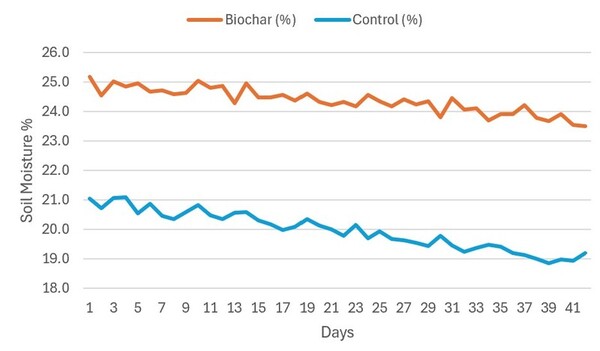
The study explored converting Gracilaria seaweed waste—known for releasing toxic hydrogen sulfide when decomposed—into biochar as a sustainable solution for waste management and soil improvement.
Read More...Development of novel biodegradable bioplastics for packaging film using mango peels
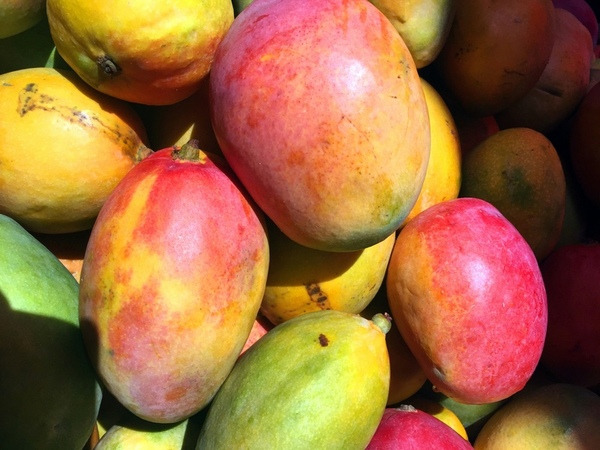
Here the authors explored the development of biodegradable bioplastic films derived from mango peels as a sustainable solution to plastic pollution and greenhouse gas emissions from fruit waste. They optimized the film's mechanical properties and water resistance through adjusting processing conditions and incorporating plasticizers and a hydrophobic coating, ultimately demonstrating its potential as a bacteriostatic and biodegradable alternative to conventional plastic food wrap.
Read More...Artificial Intelligence-Based Smart Solution to Reduce Respiratory Problems Caused by Air Pollution

In this report, Bhardwaj and Sharma tested whether placing specific plants indoors can reduce levels of indoor air pollution that can lead to lung-related illnesses. Using machine learning, they show that plants improved overall indoor air quality and reduced levels of particulate matter. They suggest that plant-based interventions coupled with sensors may be a useful long-term solution to reducing and maintaining indoor air pollution.
Read More...Enhanced Iron and Manganese Removal Using Nanocomposite CA/PVP Membranes Doped with CNC, CNF, and HNT
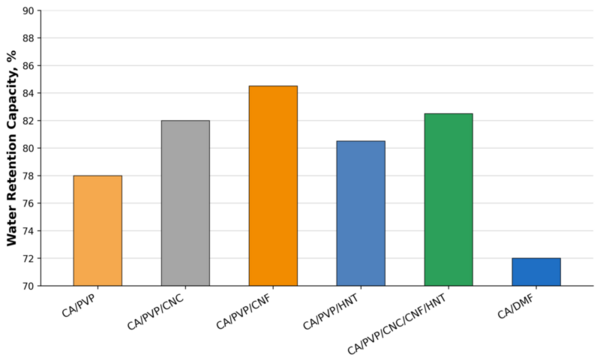
We developed new eco-friendly membranes enriched with natural nanomaterials to clean iron and manganese from drinking water. Some nanocomposite membranes achieved over 95% metal removal while maintaining water flux, suggesting improved performance compared to the undoped control group.
Read More...Integration of iron oxide nanoparticles into high-density polyethylene for sustainable cup coatings
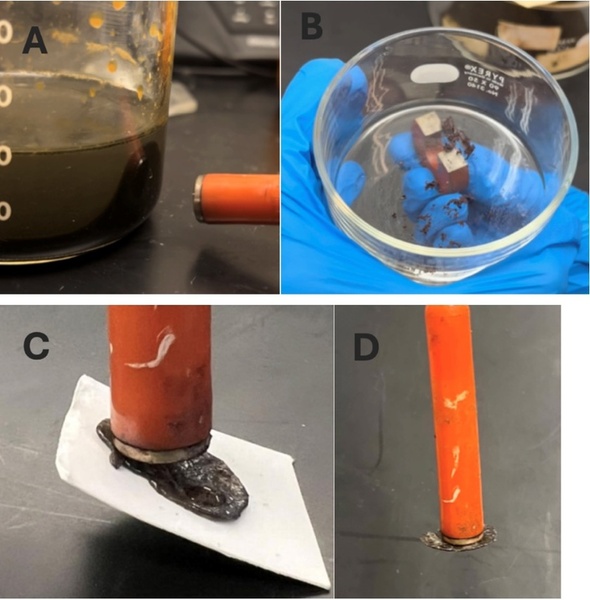
Here the authors propose integrating magnetic iron (II) oxide nanoparticles into the high-density polyethylene linings of disposable paper cups to create a waterproof, magnetically responsive composite liner. Their findings demonstrate that these nanoparticles successfully bond with the plastic layer without disrupting its structural integrity, offering a viable method to improve plastic recovery through magnetic recycling and mitigate global microplastic pollution.
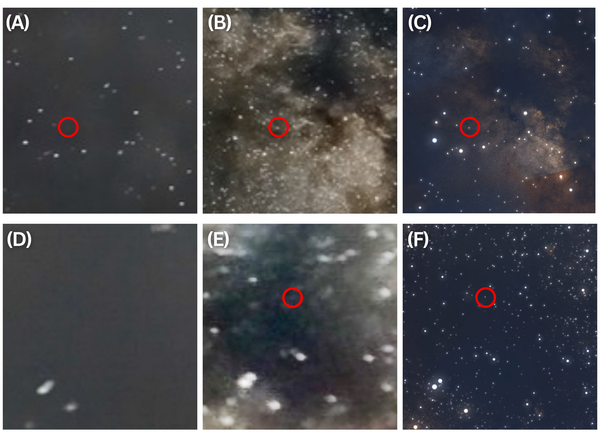
Read More...The impact of light pollution on astrophotography and visual astronomy in varying environments