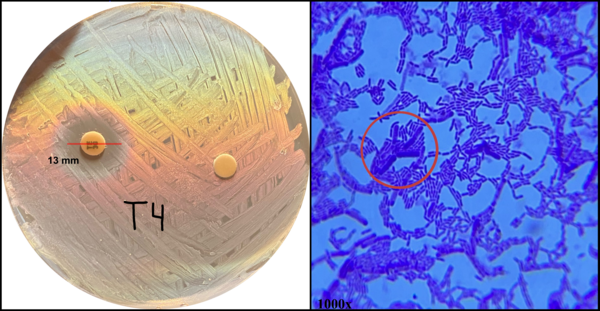
In this study, the authors studied the ability for bacteria to develop antibiotic resistance over successive generations and modeled the trajectory to predict how antibiotic resistance is developed.
Read More...Characterizing the evolution of antibiotic resistance in commercial Lactobacillus strains
In this study, the authors studied the ability for bacteria to develop antibiotic resistance over successive generations and modeled the trajectory to predict how antibiotic resistance is developed.
Read More...Effect of sub-layer water saturation on two-layer sand fluidization
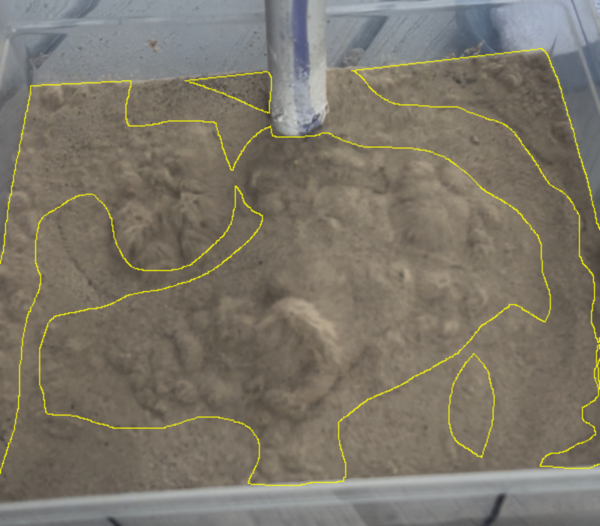
This study investigates the effect of water saturation in a two-layer fluidization behavior of an overlying dry sand bed. Building on prior work showing that moisture inhibits fluidization in granular media, the authors address an underexplored configuration involving layered dry and wet sand. The experiments demonstrate that even minimal water saturation in the sub-layer prevents uniform fluidization of the dry upper layer, leading to the conclusion that two-layer fluidized beds with moisture are not viable under the conditions tested.
Read More...Economic and social drivers of school shootings: Analyzing recent trends

Content warning: This article discusses the frequency and impact of mass violence incidents, particularly school shootings. Gun violence, threats of gun violence, firearm supply, fatalities among minors, and bullying are discussed but not graphically described.
Read More...Examining cognitive differences between experienced and novice entrepreneurs
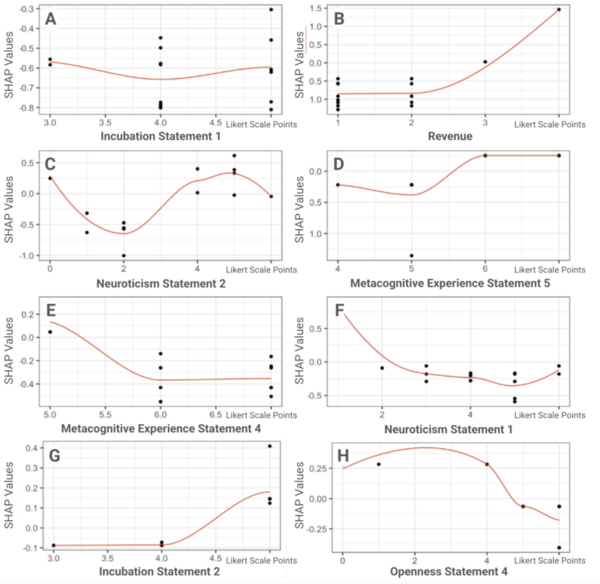
This study used surveys, interviews, and XGBoost analysis to examine how experienced and novice entrepreneurs differ in their thinking and decision-making.
Read More...Determining the relationship between unemployment and minimum wage in Turkey
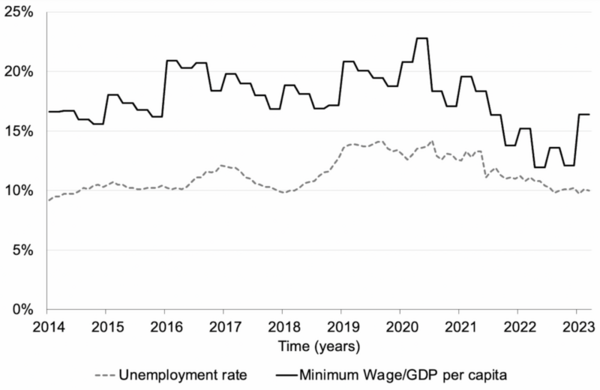
The authors looked at the relationship between unemployment and minimum wage in Turkey (Türkiye). They found that there is a positive correlation between minimum wage and unemployment.
Read More...Examining the prevalence of depression in coronary artery disease patients: a cross-sectional analysis
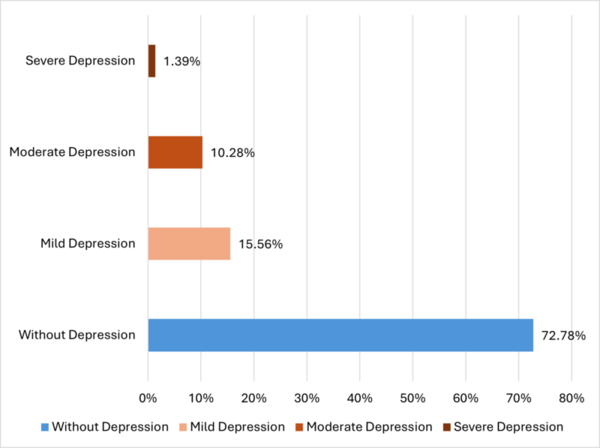
The authors surveyed individuals diagnosed with coronary artery disease about their mental health to study a potential connection between coronary artery disease and depression.
Read More...Using broad health-related survey questions to predict the presence of coronary heart disease
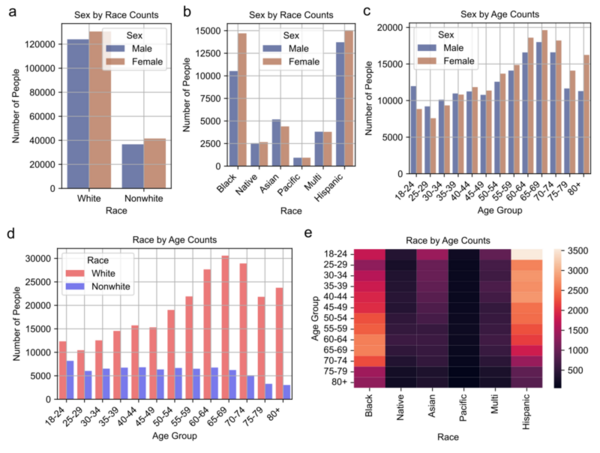
Coronary heart disease (CHD) is the leading cause of death in the U.S., responsible for nearly 700,000 deaths in 2021, and is marked by artery clogging that can lead to heart attacks. Traditional prediction methods require expensive clinical tests, but a new study explores using machine learning on demographic, clinical, and behavioral survey data to predict CHD.
Read More...Genetic algorithm based features selection for predicting the unemployment rate of India

The authors looked at using genetic algorithms to look at the Indian labor market and what features might best explain any variation seen. They found that features such as economic growth and household consumption, among others, best explained variation.
Read More...A novel CNN-based machine learning approach to identify skin cancers
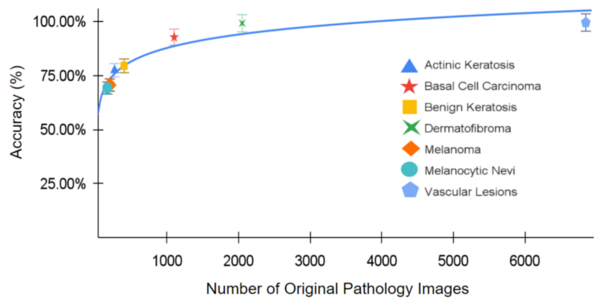
In this study, the authors developed and assessed the accuracy of a machine learning algorithm to identify skin cancers using images of biopsies.
Read More...The influence of purpose-of-use on information overload in online social networking

Here, seeking to understand the effects of social media in relation to social media fatigue and/or overload in recent years, the authors used various linear models to assess the results of a survey of 27 respondents. Their results showed that increased duration of use of social media did not necessarily lead to fatigue, suggesting that quality may be more important than quantity. They also considered the purpose of an individual's social media usage as well as their engagement behavior during the COVID-19 pandemic.
Read More...