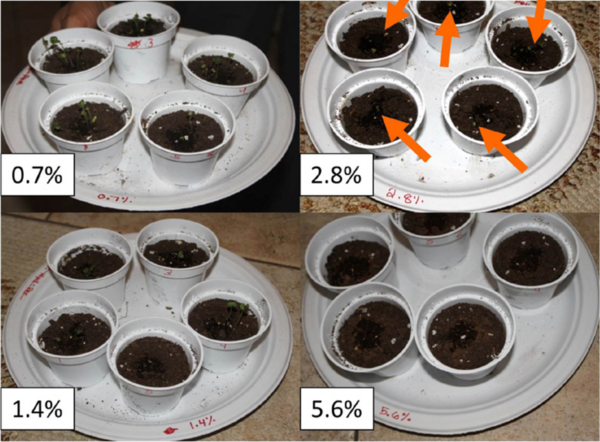
In this study, the authors assess the antioxidant properties of vitamins A, C and E given to mustard plants after oxidative damage. This research shows an interesting comparison of the vitamins' effect on plant recovery and health.
Read More...The Effect of Antioxidant Vitamins on Mustard Plants in a Hydrogen Peroxide-Induced Injury Model
In this study, the authors assess the antioxidant properties of vitamins A, C and E given to mustard plants after oxidative damage. This research shows an interesting comparison of the vitamins' effect on plant recovery and health.
Read More...Pediatric probiotic culture survival study in acidic pH using an in vitro model
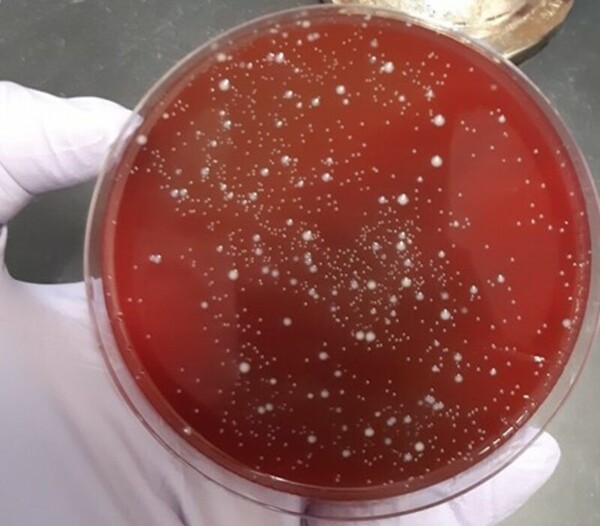
In this study, the authors investigate the effects of acidity on the survival of commercial probiotic Lovebug bacterial strains.
Read More...Biofortification of Raphanus sativus through irrigation with Ca2+ solutions does not increase calcium content
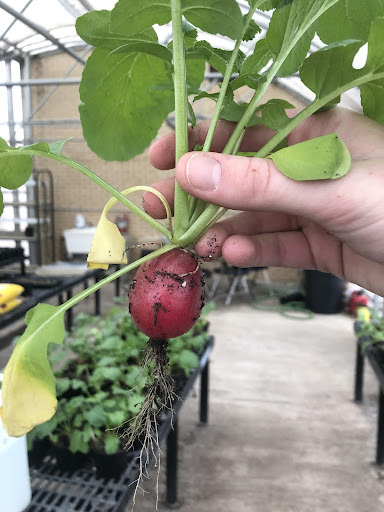
This study is centered around developing biofortification methods: the authors test whether the amount of calcium available to growing crops translates into more calcium present in the crops.
Read More...Exogenous foliar thiamine application as an alternative strategy to mitigate lead stress in Lepidium sativum
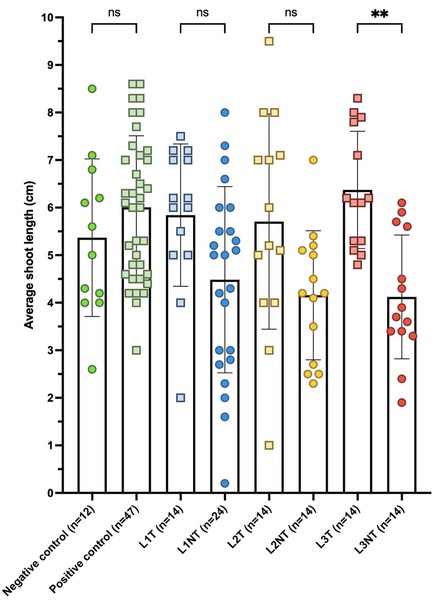
This study investigated whether thiamine (vitamin B1) could mitigate the harmful effects of lead contamination on plant growth. Using garden cress (Lepidium sativum), we found that lead exposure reduced plant growth and biomass, while thiamine treatment partially alleviated these effects, improving shoot length and overall plant length. These findings highlight the potential of thiamine as a simple strategy to improve plant resilience to heavy metal stress, with implications for agricultural productivity and food security.
Read More...The Effect of Cooking Method on the Amount of Fat in an Egg
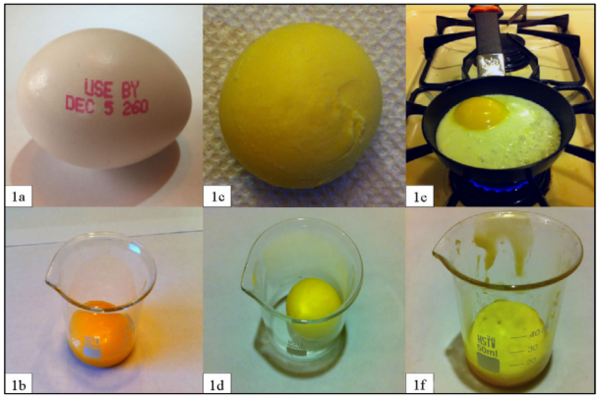
Fat can be chemically altered during cooking through a process called lipid oxidation, which can have a negative impact on health. In this study, the authors measured the extracted fat in raw, fried and hard-boiled eggs and found that cooking eggs to a higher temperature resulted in a lower amount of extracted fat, indicating a greater amount of oxidized fat.
Read More...Socio-economic factor impact on malnutrition in South Indian government school children
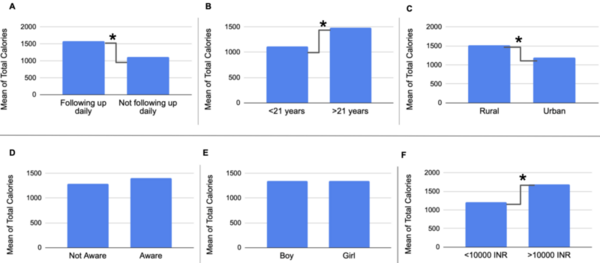
The authors look at malnutrition in children and how socio-economic factors impact this.
Read More...Variation in Caffeine Concentration Among Different Weight Loss Supplements Containing Green Tea and Green Coffee Extracts
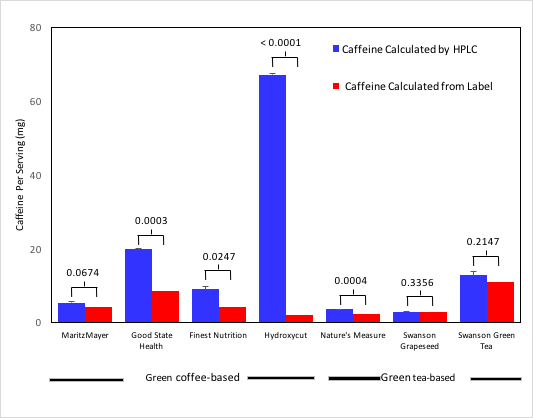
Many weight loss supplements contain the stimulant caffeine, but do not disclose the amount. Here, authors measure and compare the amount of caffeine in different dietary supplements. This research gives consumers better understanding of the impact natural supplements may have on their health.
Read More...Vitamin C in Fruits: Does Organic Make a Difference?
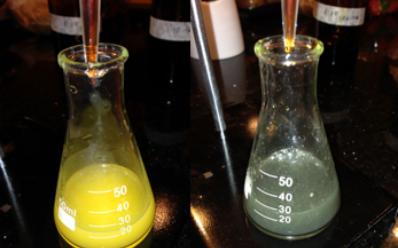
Vitamin C is an essential nutrient that is involved in many important cellular processes. Humans are unable to produce Vitamin C and thus must obtain it from exogenous sources such as citrus fruits, peppers, or flowering vegetables. In this study, the authors investigate whether or not organic and non-organic fruits have comparable vitamin C levels. This type of study has important implications for consumers.
Read More...Growth of Staphylococcus epidermidis and Escherichia coli when exposed to anti-acne vitamin A
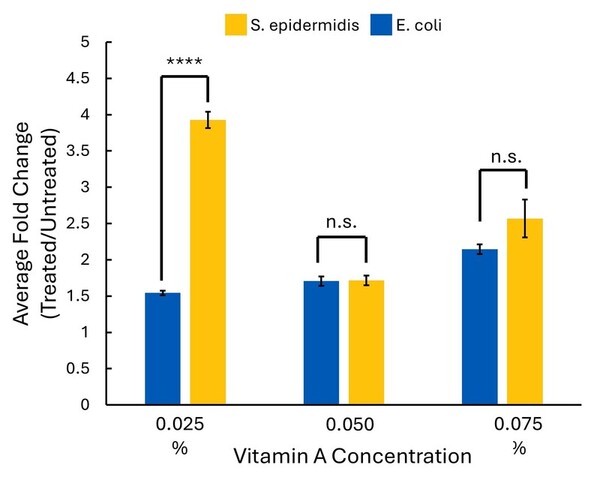
The authors looked at the impact of vitamin A (retinol) on growth of S. epidermidis (most abundant bacterium on the skin) and E. coli (found in the gut microbiome, but not on the skin).
Read More...Utilizing 25-Hydroxyvitamin D3 to prevent the appearance of diabetic-like phenotypes in Drosophila melanogaster
This study aimed to assess the role of 25-hydroxyvitamin D3 solution, at varying concentrations, in protecting vertical transmission of diabetic-like phenotypes. We hypothesized that the highest concentration of vitamin D solution (55 ng/mL) would be most effective in having a protective role. The results indicated that the hypothesis was partially supported; overall, all three concentrations of the vitamin D solution administered to the flies reared on HSDs had a protective effect, to varying extents.
Read More...