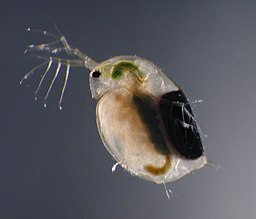
In this study a student uses Daphnia magna, or water fleas, to assay the purity of local soil samples. Daphnia magna are a helpful organism to detect potentially harmful levels of toxins in water.
Read More...Monitoring Local Soil Toxicity by Daphnia magna Viability
In this study a student uses Daphnia magna, or water fleas, to assay the purity of local soil samples. Daphnia magna are a helpful organism to detect potentially harmful levels of toxins in water.
Read More...Quantitatively evaluating changes in art critique journals’ use of moral language across time
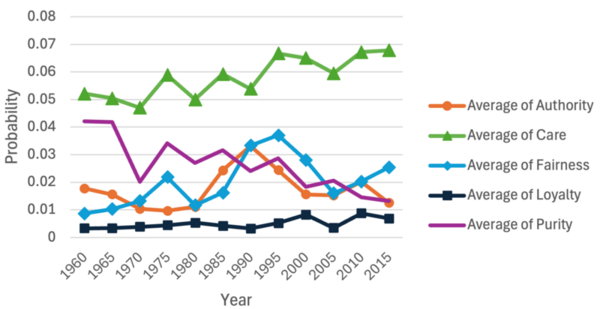
The authors use MoralBERT, a BERT-based machine learning model, to analyze the prevalence and evolution of moral language in art critique journals from 1960 to 2015. They draw on Moral Foundations Theory to examine changes in five virtue and five vice foundations over time. They discover slight increases in degradation and care and a decrease in purity among otherwise stable patterns. The study is a novel application of computational moral analysis in a domain not typically associated with such tools. Although the moral signals were relatively faint, the study offers insights into shifting art world discourses and models an exciting method for future inquiry.
Read More...A novel bioreactor system to purify contaminated runoff water
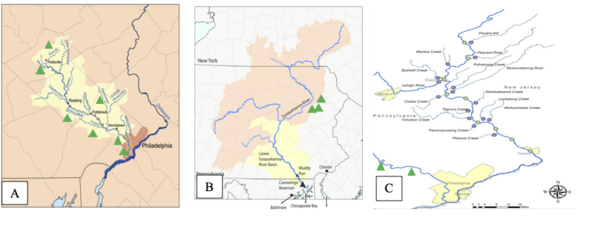
In this study, the authors engineer a cost-effective and bio-friendly water purification system using limestone, denitrifying bacteria, and sulfate-reducing bacteria. They evaluated its efficacy with samples from Eastern PA industrial sites.
Read More...Purification of Water by Aloe
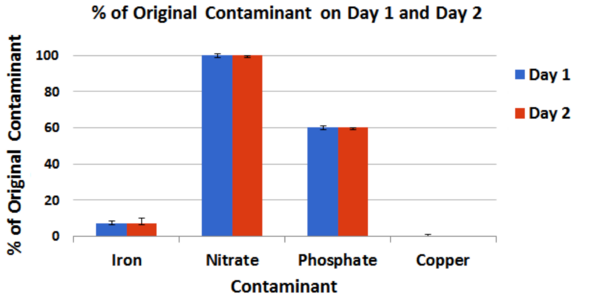
The authors test the ability of aloe vera gel to purify water of four separate contaminants. Aloe reduced the levels of copper, iron, and phosphate, but not nitrate. Potential applications of this purification system are discussed.
Read More...A Study on the Coagulating Properties of the M. oleifera Seed
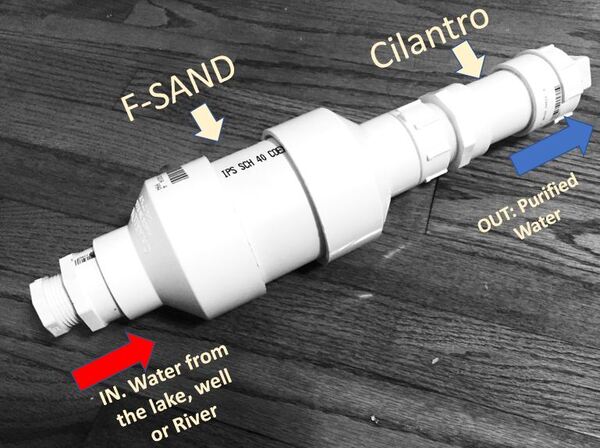
In this study, the authors investigate whether Moringa Oleifera seeds can serve as material to aid in purifying water. M. oleifera seeds have coagulating properties and the authors hypothesized that including it in a water filtration system would reduce particles, specifically bacteria, in water. Their results show that this system removed the largest percent of bacteria. When used in combination with cilantro, it was actually more efficient than the other techniques! These findings have important implications for creating better and more economical water purification systems.
Read More...Development of Two New Efficient Means of Wastewater Treatment
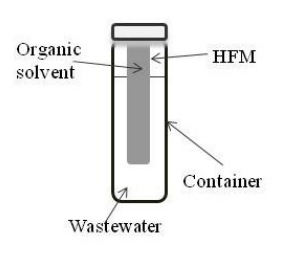
The water we use must be treated and cleaned before we release it back into the environment. Here, the authors investigate two new techniques for purifying dissolved impurities from waste water. Their findings may give rise to more cheaper and more efficient water treatment and help keep the planet greener.
Read More...Bacterial Load Consistency Among Three Independent Water Distribution Systems
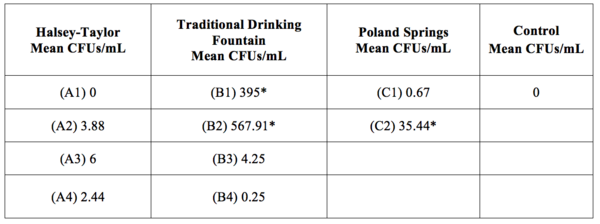
Clean drinking water is an essential component to maintaining public health. The authors of this study tested the bacterial load of water from three different disinfection and filtration systems in order to determine which system might be superior.
Read More...Antibacterial Effects of Copper Surfaces
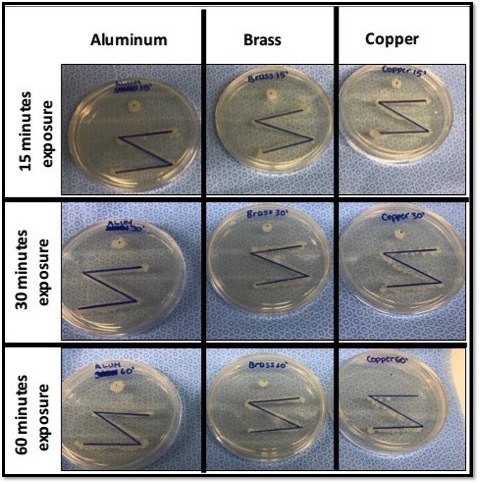
This study examined the ability of copper and copper alloy surfaces to inhibit bacterial growth, which may be help prevent healthcare-associated infections. The authors exposed two non-pathogenic strains of bacteria to different metal plates for varying degrees of time and measured bacterial growth.
Read More...Functionalized graphene oxide nanoparticles for improved saltwater treatment
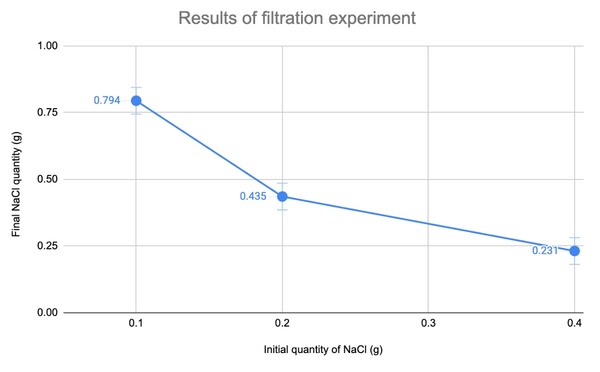
The authors investigated the efficacy of functionalized graphene oxide nanoparticles for turning saltwater to freshwater.
Read More...A low-cost method for purification of agricultural wastewater based on S. platensis
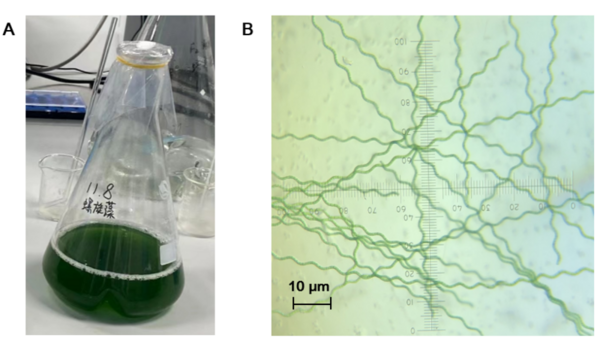
The authors looked at the ability of Spirulina platensis to reduce contaminants in wastewater in order to develop a more accessible treatment option. They found that S platensis did reduce the concentration of pollutants present within simulated agricultural wastewater.
Read More...