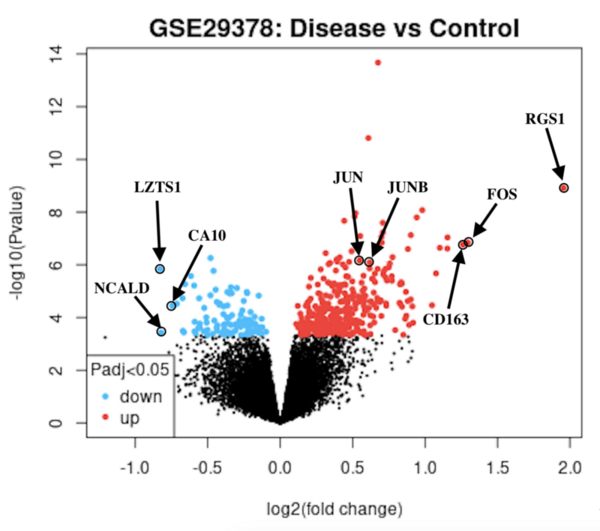
The authors studied hippocampal gene expression in Alzheimer's disease.
Read More...Upregulation of the AP-1 complex as a potential biomarker for Alzheimer’s disease (AD)
A Novel Alzheimer's Disease Therapeutic Model: Attenuating Hyperphosphorylated Tau and Amyloid β (Aβ) Aggregates by Characterizing Antioxidative, Anti-Inflammatory, and Neuroprotective Properties of Natural Extracts
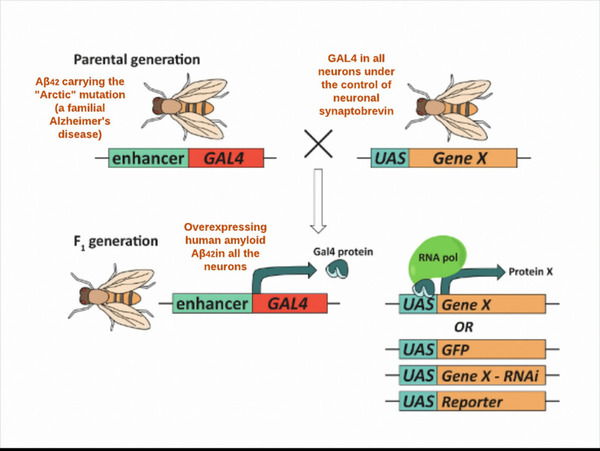
Oxidative damage and neuro-inflammation were the key pathways implicated in the pathogenesis of Alzheimer’s disease. In this study, 30 natural extracts from plant roots and leaves with extensive anti-inflammatory and anti-oxidative properties were consumed by Drosophila melanogaster. Several assays were performed to evaluate the efficacy of these combinational extracts on delaying the progression of Alzheimer’s disease. The experimental group showed increased motor activity, improved associative memory, and decreased lifespan decline relative to the control group.
Read More...Using the COmplex PAthway SImulator, Stage Analysis, and Chemical Kinetics to Develop a Novel Solution to Lower Tau Concentrations in Alzheimer’s Disease
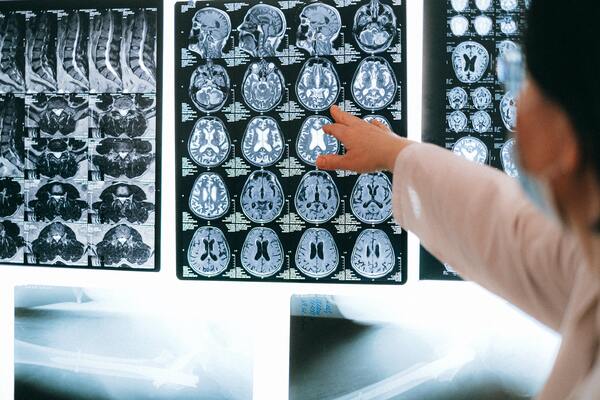
In this study, the authors ask whether a Tau immunotherapy treatment, Hsp70 protein treatment, or dual treatment approach of both the Tau imunotherapy treatment and Hsp70 protein treatment leads to a greater reduction in Tau protein concentration in Alzheimer's disease. Overall, they conclude that the effectiveness of the treatment ultimately relies on the stage of Alzheimer’s.
Read More...Effects on Learning and Memory of a Mutation in Dα7: A D. melanogaster Homolog of Alzheimer's Related Gene for nAChR α7

Alzheimer's disease (AD) involves the reduction of cholinergic activity due to a decrease in neuronal levels of nAChR α7. In this work, Sanyal and Cuellar-Ortiz explore the role of the nAChR α7 in learning and memory retention, using Drosophila melanogaster as a model organism. The performance of mutant flies (PΔEY6) was analyzed in locomotive and olfactory-memory retention tests in comparison to wild type (WT) flies and an Alzheimer's disease model Arc-42 (Aβ-42). Their results suggest that the lack of the D. melanogaster-nAChR causes learning, memory, and locomotion impairments, similar to those observed in Alzheimer's models Arc-42.
Read More...Mendelian randomization reveals shared genetic landscape in autism spectrum disorder and Alzheimer's disease
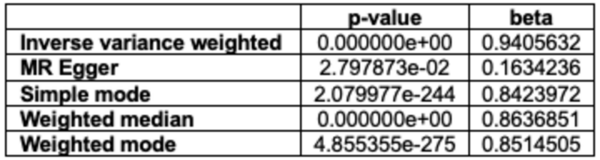
Autism Spectrum Disorder (ASD) and Alzheimer's Disease (AD) are distinct conditions, but research suggests a link, as individuals with ASD are 2.5 times more likely to develop AD. A study employing genome-wide association studies and Mendelian randomization revealed shared genetic factors, particularly in synaptic regulation pathways, that may increase the risk of AD in those with ASD. These findings provide insights into the genetic underpinnings connecting the two disorders.
Read More...In silico design of novel acetylcholinesterase inhibitors as potential therapeutics for Alzheimer's disease
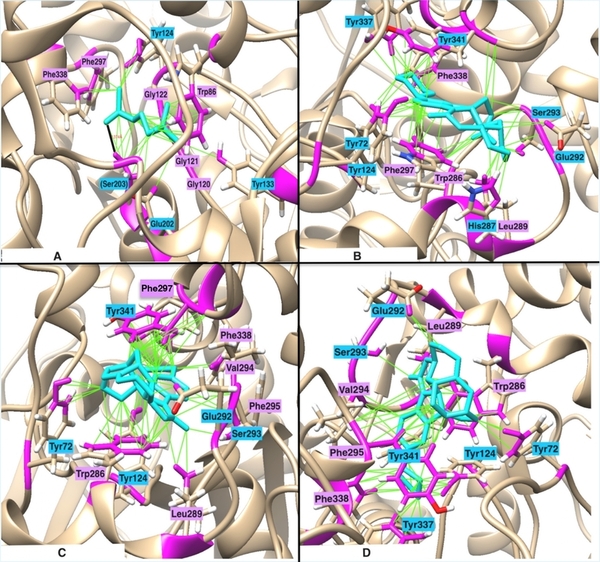
Elevated acetylcholinesterase (AChE) activity contributes to cognitive decline and neurodegenerative diseases such as Alzheimer’s, motivating the search for more effective inhibitors with better bioavailability. This study used computational methods to design novel, non-toxic AChE inhibitors.
Read More...De novo design of a dual-target inhibitor against tau phosphorylation and acetylation for Alzheimer's therapy
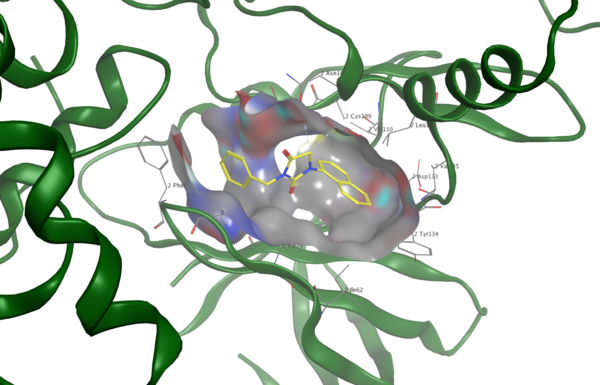
The authors use computational methods to compare tau acetylation to the better studied tau phosphorylation in Alzheimer's disease and then design and computationally test a new drug to prevent abnormal post-translational modifications of tau.
Read More...Decline in vocabulary richness in individuals with Alzheimer's disease
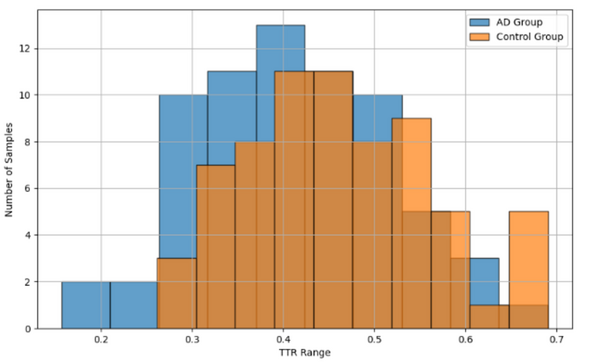
The authors looked at how vocabulary is impacted in Alzheimer's disease and whether it could be used a predictor of disease onset.
Read More...Predictions of neural control deficits in elders with subjective memory complaints and Alzheimer’s disease
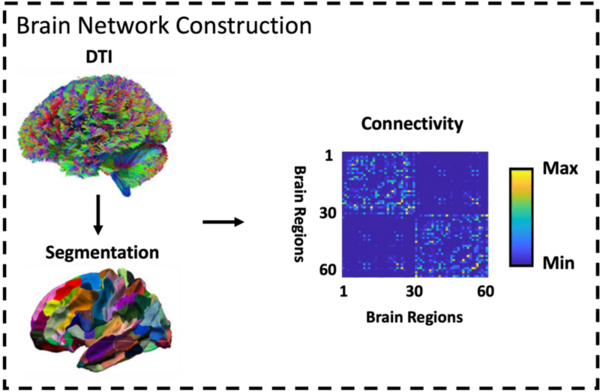
The authors compare neuroimaging datasets to identify potential new biomarkers for earlier detection of Alzheimer's disease.
Read More...A novel approach for predicting Alzheimer’s disease using machine learning on DNA methylation in blood

Here, recognizing the difficulty associated with tracking the progression of dementia, the authors used machine learning models to predict between the presence of cognitive normalcy, mild cognitive impairment, and Alzheimer's Disease, based on blood DNA methylation levels, sex, and age. With four machine learning models and two dataset dimensionality reduction methods they achieved an accuracy of 53.33%.
Read More...