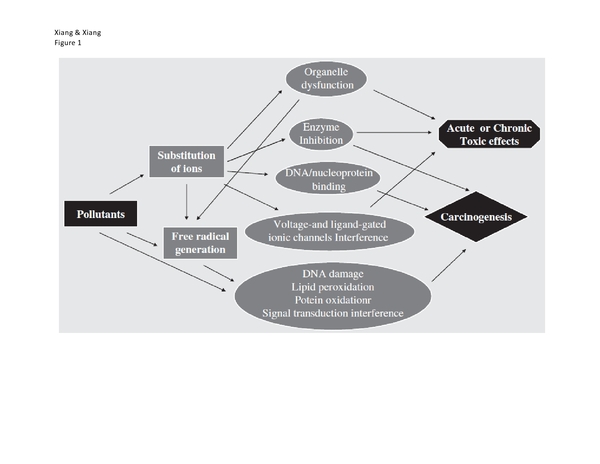
Each year, large amounts of carcinogenic pollutants are released into the environment, which negatively affects human health. This study ranks the major carcinogenic pollutants that are released into the air, water, and land by both the total released amounts and the potential carcinogenic risks.
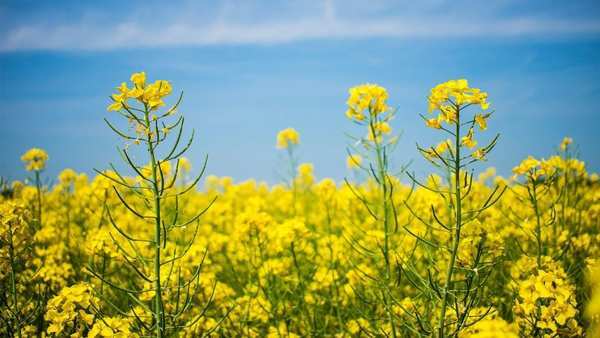
Here the authors investigate the effects of plastic pollutants on terrestrial life. Specifically they look at the growth of Brassica rapa and determine that phosphate levels have the most negative impact on growth.
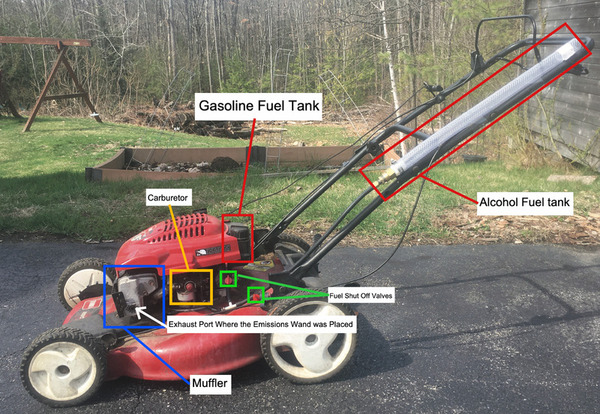
The authors looked at the emissions from a small, carbureted engine that was being powered by a mix of ethanol and methanol compared to E10 gasoline. The found that across all four pollutants measured, the ethanol-methanol mixture resulted in less emissions compared to the E10 fuel.
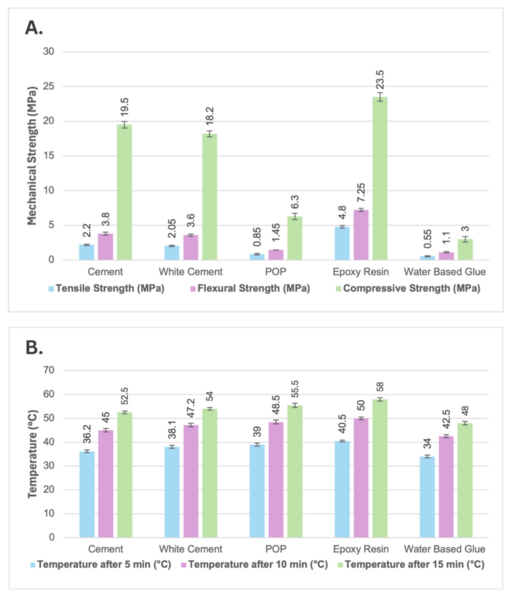
Textile waste from the fashion industry is a major environmental pollutant, but recycling waste into novel building material is a strategy to reduce the negative effects. This manuscript characterized five different binders that can be used to repurpose textile waste into bricks for construction purposes. Water-based glue, cement, white cement, plaster of Paris, and epoxy resin were mixed with shredded textile waste, and the mechanical characteristics and thermal insulation of each brick type were measured. Bricks with increased mechanical strength had the poorest thermal resistance, and the contrasting properties would suit different building purposes. This work provides a first step in generating recycled textile bricks for construction in a circular economy framework.
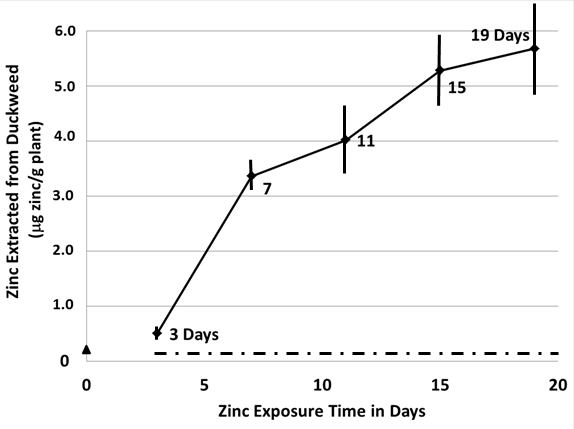
Duckweed plays an important role in its aquatic environment by removing pollutants, such as zinc, from the water. In this study, the authors demonstrate that uptake of zinc by duckweed is inhibited by the presence of oil in the water, but this effect can be reversed with the addition of a dispersing agent.
Recognizing the increasing threat of acid deposition inn soil through the reaction of NOx and SO2 pollutants with water in Spain, the authors investigates the effects of Al(NO3)3 concentrations on the health of Allium sativum. By tracking its mitotic index, they found a negative exponential correlation between Al(NO3)3 concentrations and the mitotic index of A. sativum.
Here, seeking to understand a possible cause of the declining popluations of Brood X cicadas in Ohio and Indiana, the authors investigated the presence of Wolbachia, an inherited bacterial symbiont that lives in the reproductive cells of approximately 60% of insect species in these cicadas. Following their screening of one-hundred 17-year periodical cicadas, they only identified the presence of Wolbachia infection in less than 2%, suggesting that while Wolbachia can infect cicadas it appears uncommon in the Brood X cicadas they surveyed.
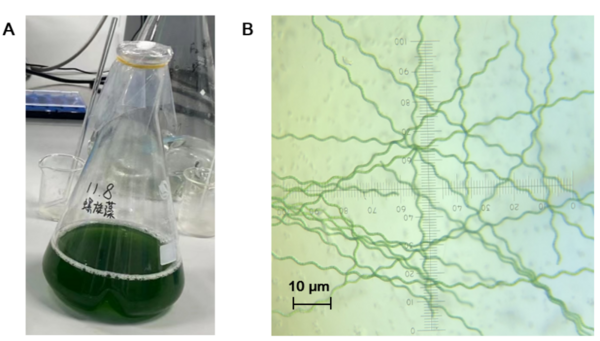
The authors looked at the ability of Spirulina platensis to reduce contaminants in wastewater in order to develop a more accessible treatment option. They found that S platensis did reduce the concentration of pollutants present within simulated agricultural wastewater.
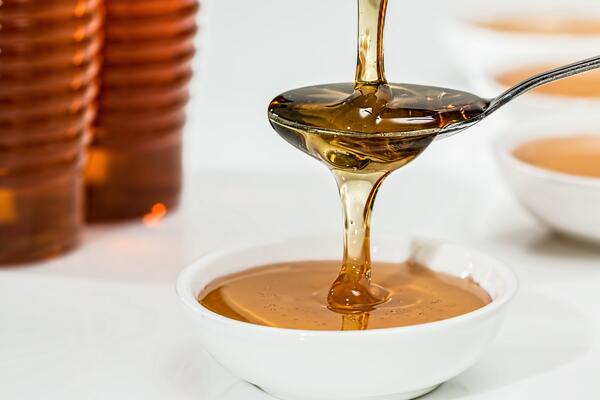
Chronic bad breath, or halitosis, is a problem faced by nearly 50% of the general poluation, but existing treatments such as liquid mouthwash or sugar-free gum are imperfect and temporary solutions. In this study, the authors investigate potential alternative treatments using natural ingredients such as Manuka Honey and Licorice root extract. They found that Manuka honey is almost as effective as commercial mouthwashes in reducing the growth of P gingivalis (one of the main bacteria that causes bad breath), while Licorice root extract was largely ineffective. The authors' results suggest that Manuka honey is a promising candidate in the search for new and improved halitosis treatments.
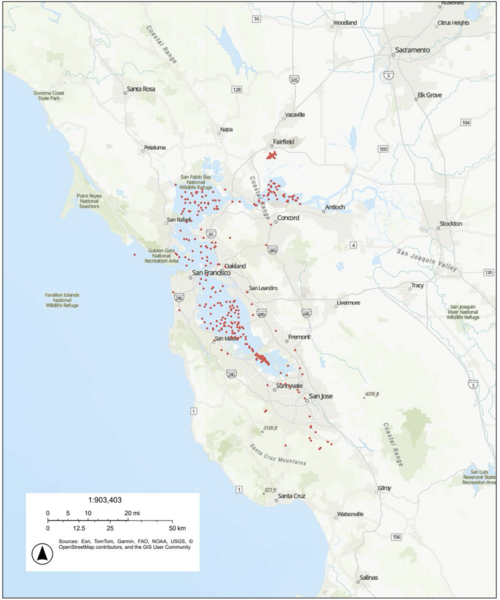
This study analyzes over two decades of monitoring data (1999-2022) to investigate how legacy mining, reservoir water releases, and dredging activities influence toxic methylmercury (MeHg) levels in San Francisco Bay. The findings reveal a significant delayed correlation between river flow and San Francisco Bay MeHg, and counter to the authors' hypothesis, a strong association between increased MeHg concentrations in the bay and both total annual dredging volume and beneficial sediment reuse / upland sediment disposal.