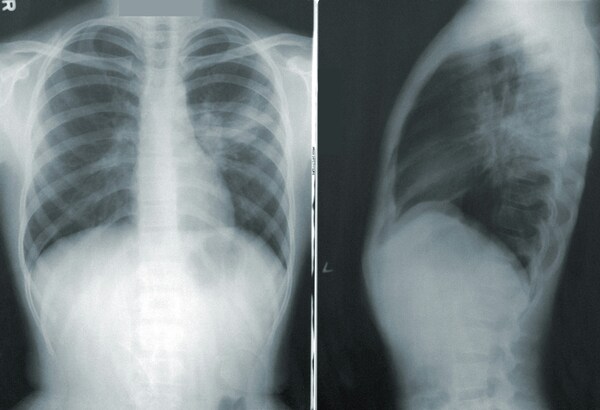
The authors studied the accuracy of two commonly used explainable AI techniques for detecting pneumonia in chest x-rays.
Read More...Lung region complexity affects Grad-CAM and Deep Taylor outcomes in pneumonia predictions
The authors studied the accuracy of two commonly used explainable AI techniques for detecting pneumonia in chest x-rays.
Read More...Comparative study on three machine learning models in novel autonomous drone-based detection of invasive plant Brassica nigra
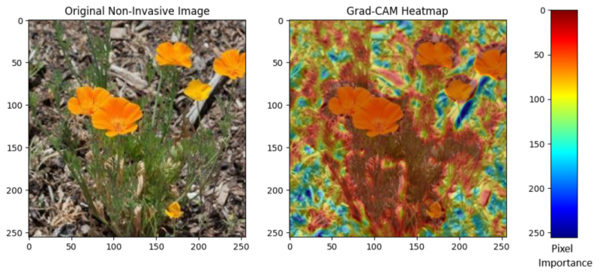
Autonomous drone imaging combined with machine learning offers a promising approach for early detection of invasive species. In this study, students built an autonomous drone and compared three models: CNN, SGDC, and XGBoost, to identify Brassica nigra from aerial footage. Their results show that CNNs most effectively recognize key visual features, demonstrating strong potential for supporting conservation and invasive plant management.
Read More...Influence of induction heating on static recrystallization kinetics of AISI 4130 steel
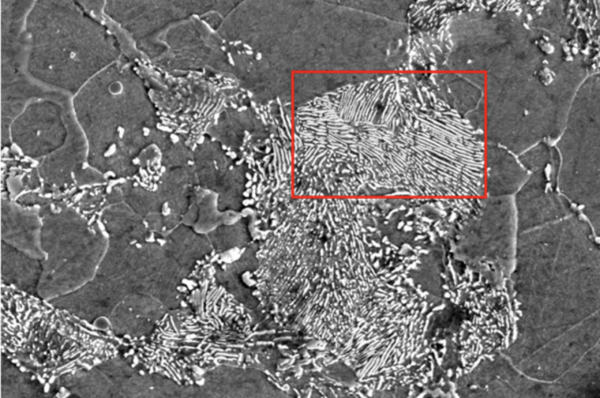
This article investigates whether induction heating can speed up static recrystallization in AISI 4130 steel compared with traditional radiant heating. It was found that induction-heated samples recrystallized faster, softened more quickly, and showed earlier microstructural changes like grain nucleation and pearlite spheroidization, suggesting induction heating could be a more efficient alternative for industrial metal heat treatments.
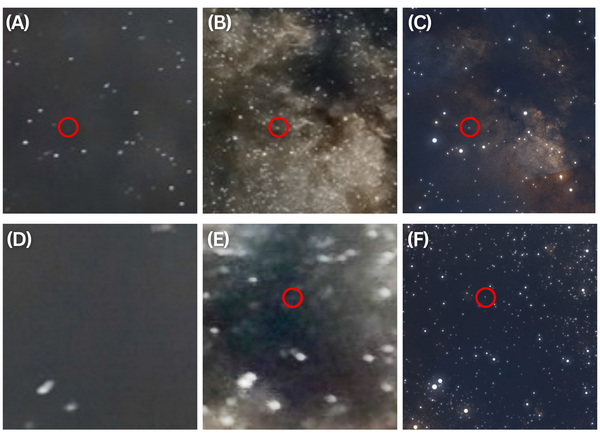
Read More...The impact of light pollution on astrophotography and visual astronomy in varying environments
Predicting sickle cell vaso-occlusion by microscopic imaging and modeling
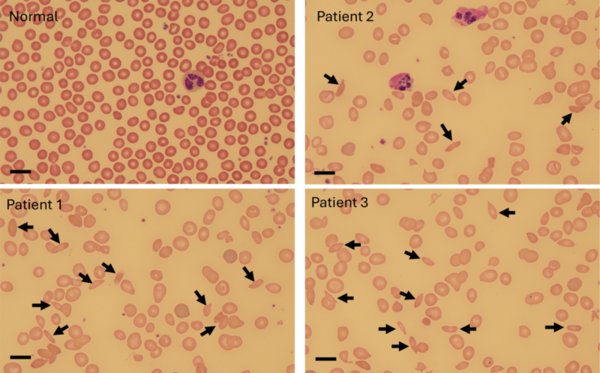
The authors use blood smears from individuals with sickle cell disease to correlate sickle cell frequency with the occurrence of vaso-occlusive crises.
Read More...How artificial intelligence deep learning models can be used to accurately determine lung cancers
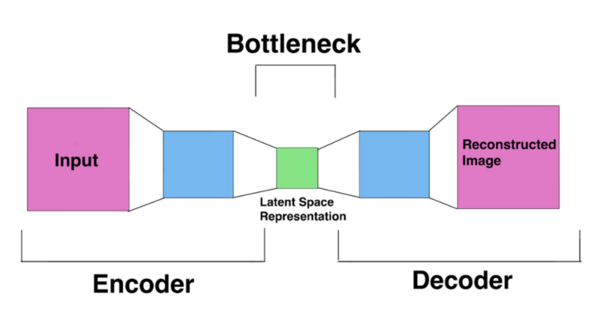
The authors looked at the ability of different deep learning models to predict the presence of lung cancer from chest CT scans. They found that a pre-trained CNN model performed better than an autoencoder model.
Read More...Comparing neural networks with a traditional method for identifying the vanishing points of surgical tools
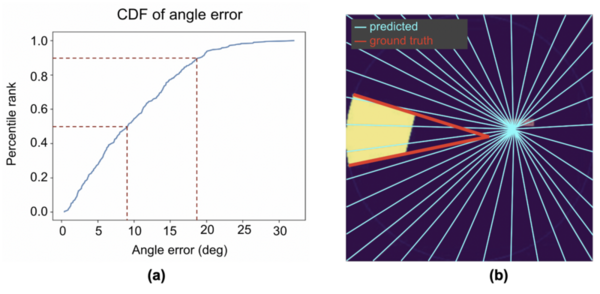
Robot-assisted minimally invasive surgery (RMIS) benefits from increased precision and faster recovery, with force feedback from the surgical tool being critical for control. Researchers tested the use of neural networks for detecting the vanishing point of the tool, a key element for force feedback.
Read More...The use of computer vision to differentiate valley fever from lung cancer via CT scans of nodules
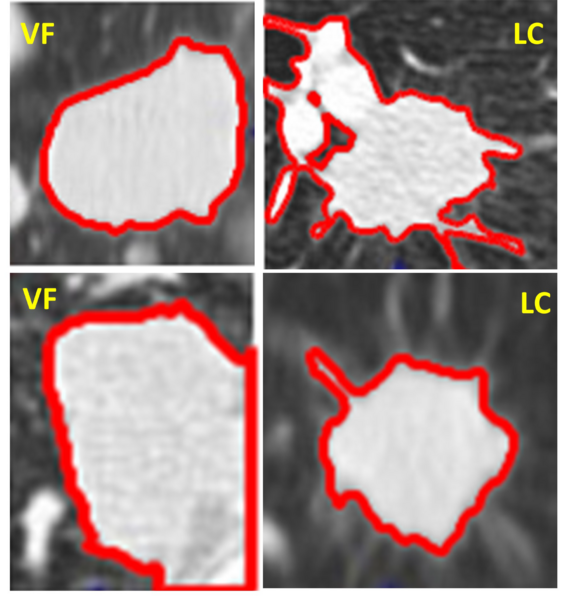
Pulmonary diseases like lung cancer and valley fever pose serious health challenges, making accurate and rapid diagnostics essential. This study developed a MATLAB-based software tool that uses computer vision techniques to differentiate between these diseases by analyzing features of lung nodules in CT scans, achieving higher precision than traditional methods.
Read More...Do perceptions of beauty differ based on rates of racism, ethnicity, and ethnic generation?
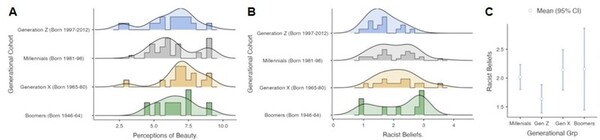
The authors examine the relationships between race, racist beliefs, and perceptions of beauty across cultures and generations.
Read More...Photometric analysis of Type Ia Supernova 2023jvj

Here the authors conducted a photometric analysis of Supernova (SN) 20234jvj. Through generating a light curve, they determined SN 2023jvj to be a Type Ia supernova located approximately 1.246e8 parasecs away from Earth.
Read More...