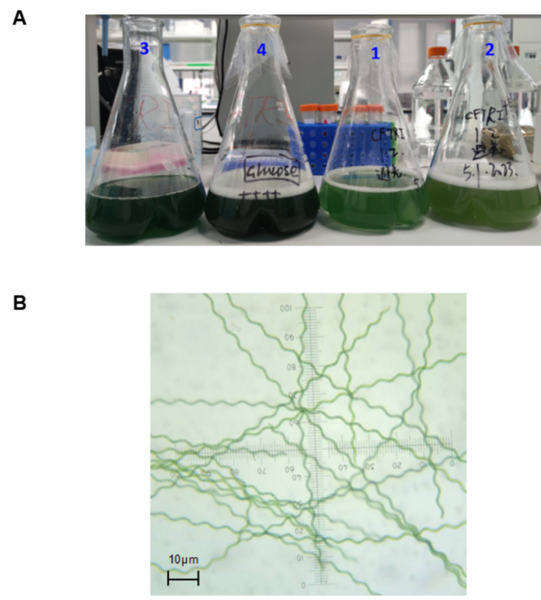
The authors looked at the ability to grow S. platensis on a larger scale with reduced cost given that it is currently quite expensive to grow, but poses as an important food source in the future.
Read More...Heterotrophic culture of Spirulina platensis improved its growth and the study of its nutritional effect
The authors looked at the ability to grow S. platensis on a larger scale with reduced cost given that it is currently quite expensive to grow, but poses as an important food source in the future.
Read More...The effects of cochineal and Allura Red AC dyes on Escherichia coli and Bacillus coagulans growth
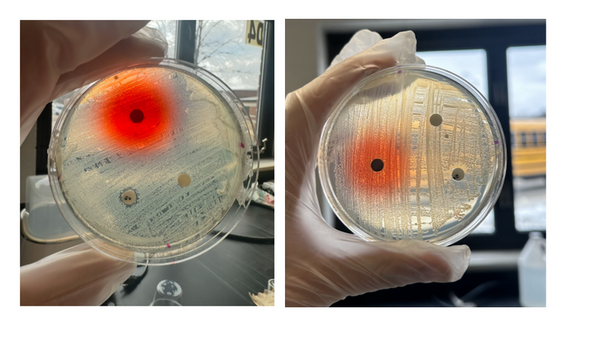
Here the authors aimed to compare the effects of artificial Allura Red AC dye and natural cochineal dye on the growth of Escherichia coli and Bacillus coagulans bacteria. Their research found that only Allura Red AC dye significantly affected bacterial growth, specifically amplifying E. coli growth. Based on their results, they suggest that Allura Red AC dye may increase the growth of E. coli bacteria within the human gut.
Read More...Innovative Treatment for Reducing Senescence and Revitalizing Aging Cells through Gene Silencing
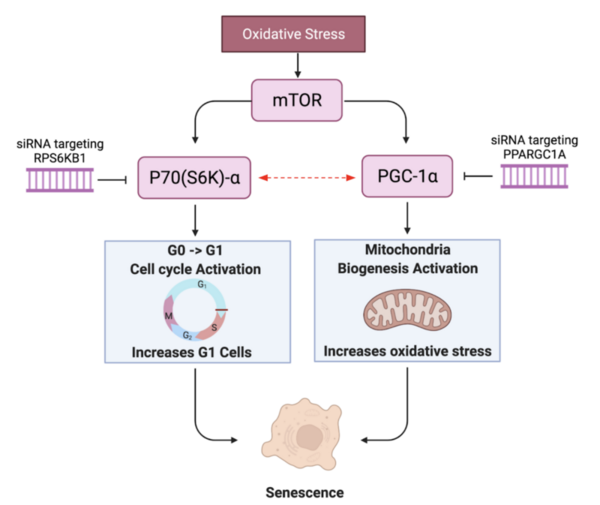
Cellular senescence plays a key role in aging cells and is attributed to a number of disease and pathology. These authors find that genetic editing of both RPS6KB1 and PPARGC1A revitalizes a human skin fibroblast cell line.
Read More...Development of a Novel Treatment Strategy to Treat Parkinsonian Neurodegeneration by Targeting Both Lewy Body Aggregation and Dopaminergic Neuronal Degradation in a Drosophila melanogaster Model
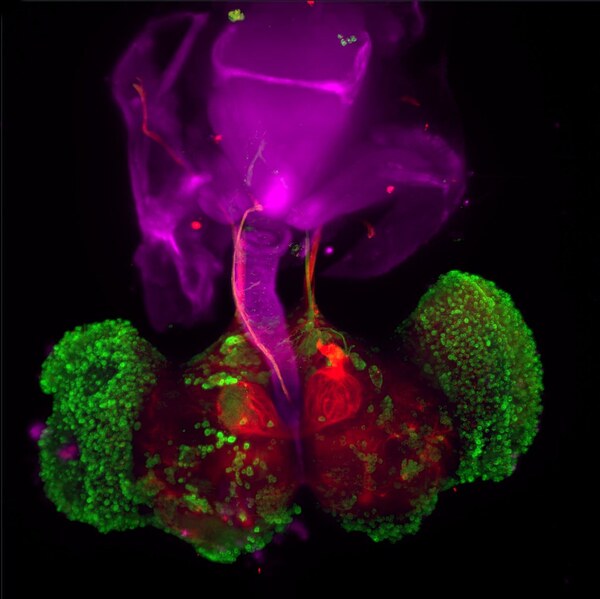
In this article the authors address the complex and life quality-diminishing neurodegenerative disease known as Parkinson's. Although genetic and/or environmental factors contribute to the etiology of the disease, the diagnostic symptoms are the same. By genetically modifying fruit flies to exhibit symptoms of Parkinson's disease, they investigate whether drugs that inhibit mitochondrial calcium uptake or activate the lysosomal degradation of proteins could improve the symptoms of Parkinson's these flies exhibit. The authors report the most promising outcome to be that when both types of drugs were used together. Their data provides encouraging evidence to support further investigation of the utility of such drugs in the treatment of human Parkinson's patients.
Read More...Investigating the impact of short-chain fatty acids on myofiber dynamics and insulin sensitivity
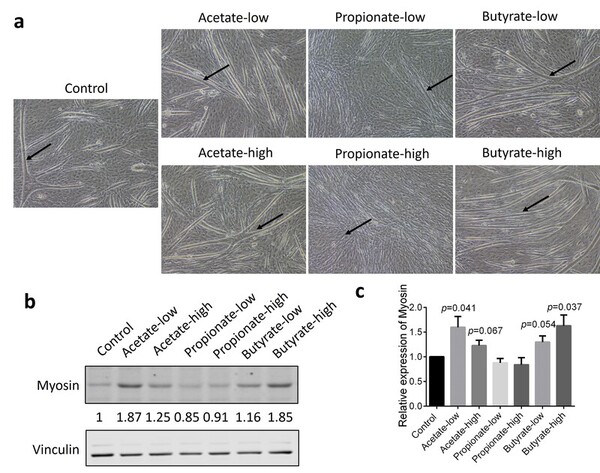
The authors looked at the impacts of short-chain fatty acids on muscle fiber formation as well as insulin sensitivity using a model of mouse myoblasts.
Read More...Pediatric probiotic culture survival study in acidic pH using an in vitro model
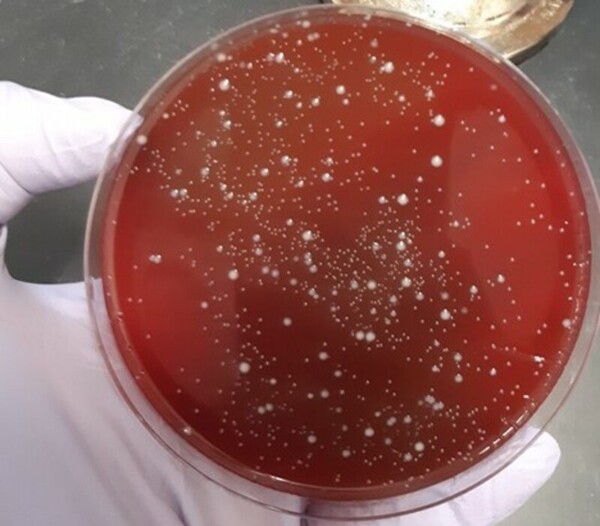
In this study, the authors investigate the effects of acidity on the survival of commercial probiotic Lovebug bacterial strains.
Read More...Generation of a magnetic field on Mars

The authors propose and test a method that would allow for the generation of a magnetic field on Mars sufficient to support future colonization.
Read More...Therapy dogs effectively reduce stress in college preparatory students

In this article the authors looked at the effect of spending time with a therapy dog before and after stressful events. They found that interacting with a therapy before a stressful event showed more significant reduction in signs of stress compared to interacting with a therapy dog after stressful events have already occurred.
Read More...Determining the impact of caffeine on aggression in Betta splendens
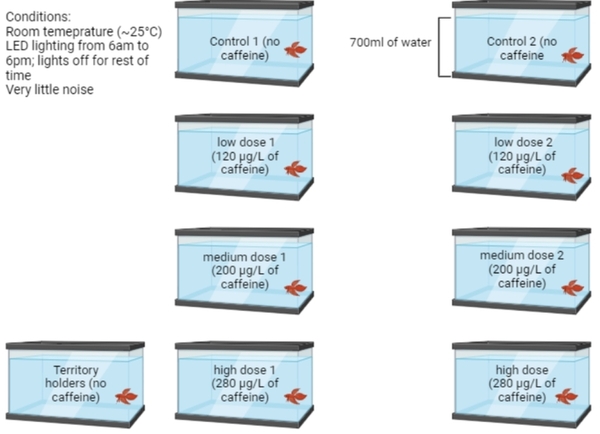
The authors test the effect of caffeine on the behavior of the Siamese fighting fish Betta splendens.
Read More...Effect of Natural Compounds Curcumin and Nicotinamide on α-synuclein Accumulation in a C. elegans Model of Parkinson’s Disease
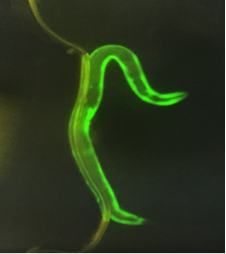
Parkinson's disease is a neurodegenerative disorder that affects over 10 million people worldwide. It is caused by destruction of dopamine-producing neurons, which results in severe motor and movement symptoms. In this study, the authors investigated the anti-Parkinsonian effects of two natural compounds curcumin and nicotinamide using C. elegans as a model organism.
Read More...