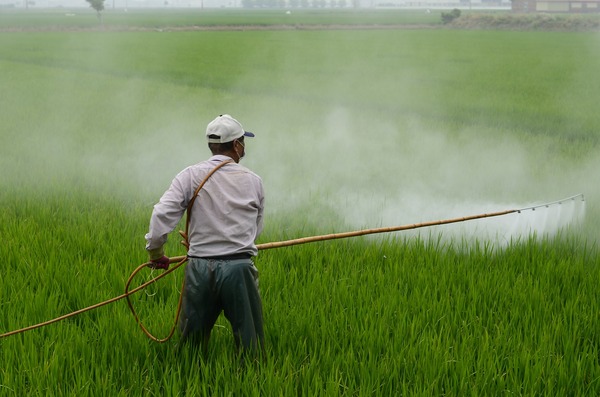
In this study, the authors examined the effects of commonly used pesticides (metolachlor, glyphosate, chlorpyrifos, and atrazine) on population size, motor function, and learning in Drosophila melanogaster.
Read More...Effects of Common Pesticides on Population Size, Motor Function, and Learning Capabilities in Drosophilia melanogaster
In this study, the authors examined the effects of commonly used pesticides (metolachlor, glyphosate, chlorpyrifos, and atrazine) on population size, motor function, and learning in Drosophila melanogaster.
Read More...Effects of Ocean Acidification on the Photosynthetic Ability of Chaetoceros gracilis in the Monterey Bay

In this article, Harvell and Nicholson hypothesized that increased ocean acidity would decrease the photosynthetic ability of Chaetoceros gracilis, a diatom prolific in Monterey Bay, because of the usually corrosive effects of carbonic acid on both seashells and cells’ internal structures. They altered pH of algae environments and measured the photosynthetic ability of diatoms over four days by spectrophotometer. Overall, their findings indicate that C. gracilis may become more abundant in Monterey Bay as the pH of the ocean continues to drop, potentially contributing to harmful algal blooms.
Read More...Combined Progestin-Estrogenic Contraceptive Pills May Promote Growth in Crop-Plants
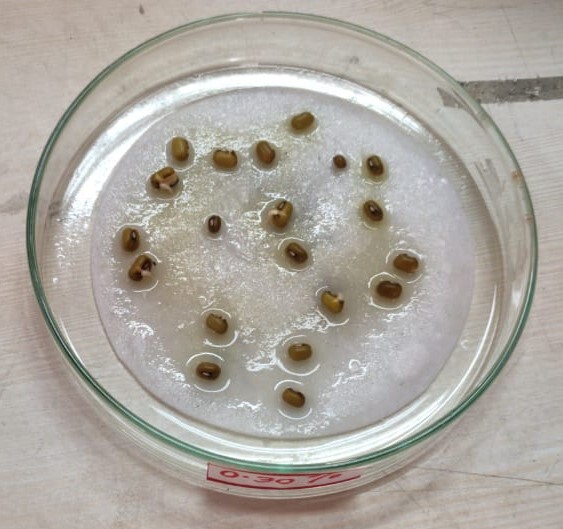
Ethinyl estradiol and progestin norgestrel are commonly present in contraceptive tablets and it is unknown how they affect the environment. In this study, the authors investigate the role that ethinyl estradiol and progestin norgestrel have on the growth of flowering plants. The percentage germination, embryonic and adventitious tissue proliferation, root length, and shoot length were measured in V. radiata and T. aestivum treated with each compound and results demonstrate that ethinyl estradiol and progestin norgestrel can induce growth in both plants at certain concentrations. These findings have important implications as societal use of chemicals increases and more make their way into the environment.
Read More...Investigating the contribution of genetic risk factors to gastric cancer in Korean-ancestry populations
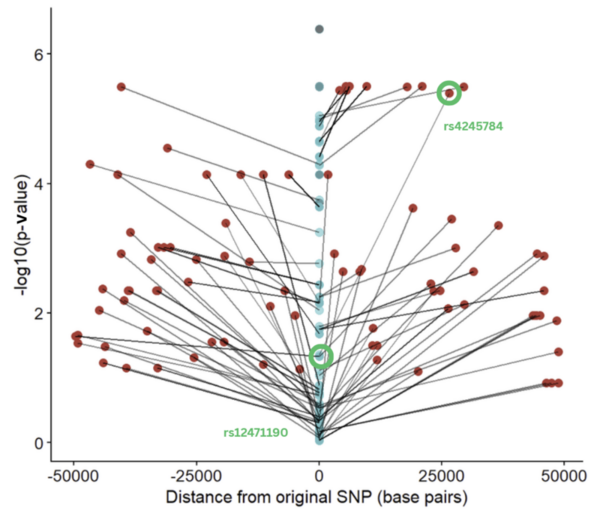
This project investigated whether previously identified genetic risk factors in non-Korean populations were associated with high gastric cancer incidence rates in Koreans.
Read More...The effect of youth marijuana use on high-risk drug use: Examining gateway and substitution hypothesis
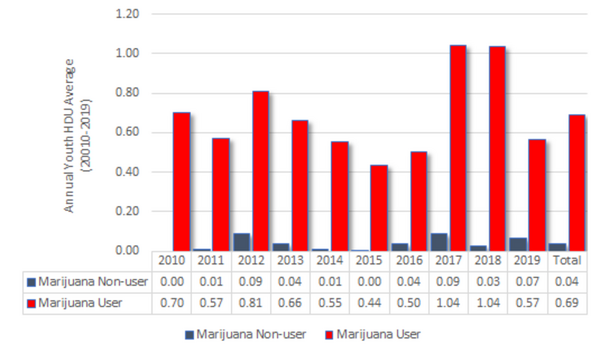
The authors looked at whether youth use of marijuana related to later high-risk drug use. Using survey data from 2010-2019 they found that youth marijuana use did correlate to an increased risk of high-risk drug use.
Read More...Slowing the Mold Growth on Stored Corn: The Effects of Vinegar, Baker’s Yeast, and Yogurt on Corn Weight Loss
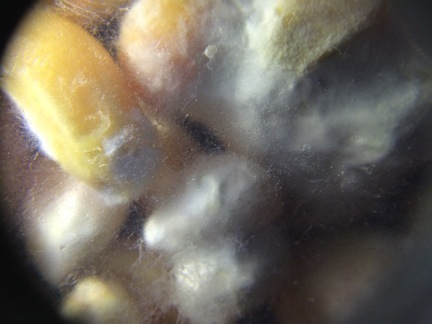
Chemical preservatives are often used to reduce grain spoilage due to mold, but can have harmful heath and environmental effects. In this study, the authors tested three low toxic compounds for their effects on mold growth on corn kernels and found that all three were successful at slowing growth.
Read More...A colorimetric investigation of copper(II) solutions
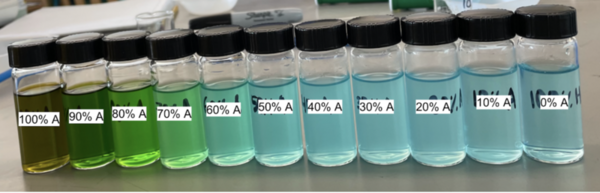
In this study, the authors investigate the effects of acetone on the color of copper chloride (CuCl2) solution, which has important implications for detecting copper in the environment.
Read More...Performance comparison of indoor polyculture utilizing hydroponic and soil-based systems
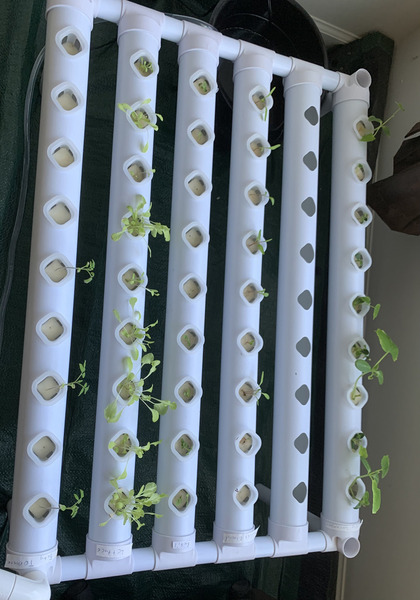
Hydroponics is often promoted as a highly efficient alternative to traditional soil farming, but its effectiveness in small indoor polyculture systems is not well understood. In this study, students compared plant growth and maturity across hydroponic and soil-based indoor polycultures and found that soil grown plants were generally taller and more mature than those grown hydroponically. These results suggest that soil-based methods may outperform hydroponics in certain household polyculture settings.
Read More...More efficient sources of water distribution for agricultural and general usage
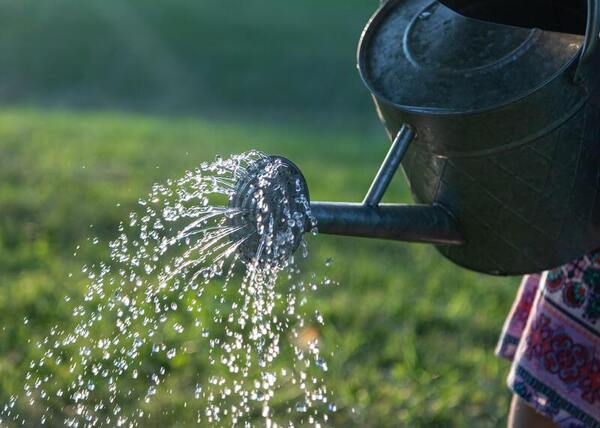
Here, the authors investigated alternative methods to irrigate plants based on the their identification that current irrigation systems waste a large amount of fresh water. They compared three different delivery methods for water: conventional sprinkler, underground cloth, and a perforated pipe embedded in the soil. They found the cloth method to save the most water, although plant growth was slightly less in comparison to plants watered with the sprinkler method or pipe method.
Read More...Environmentally-friendly graphene conductive ink using graphene powder, polystyrene, and waste oil
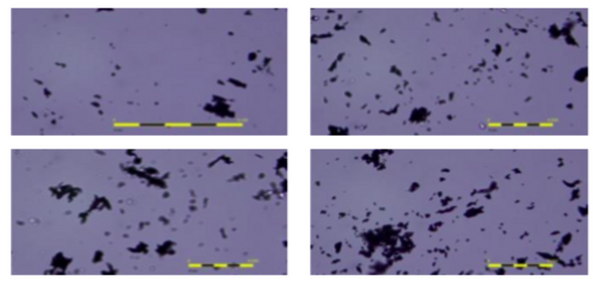
In this article, the authors propose an effective, environmentally-friendly method of producing conductive ink using expired waste oil, polystyrene, and graphene.
Read More...