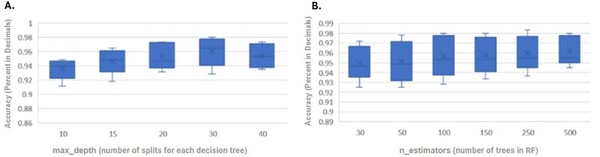
The authors use machine learning on MRI images of brain tissue to predict tumor onset as an avenue for early detection of brain cancer.
Read More...A comparative analysis of machine learning approaches to predict brain tumors using MRI
The authors use machine learning on MRI images of brain tissue to predict tumor onset as an avenue for early detection of brain cancer.
Read More...An explainable model for content moderation
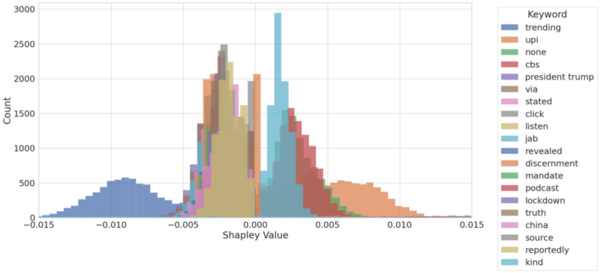
The authors looked at the ability of machine learning algorithms to interpret language given their increasing use in moderating content on social media. Using an explainable model they were able to achieve 81% accuracy in detecting fake vs. real news based on language of posts alone.
Read More...Predicting asthma-related emergency department visits and hospitalizations with machine learning techniques

Seeking to investigate the effects of ambient pollutants on human respiratory health, here the authors used machine learning to examine asthma in Lost Angeles County, an area with substantial pollution. By using machine learning models and classification techniques, the authors identified that nitrogen dioxide and ozone levels were significantly correlated with asthma hospitalizations. Based on an identified seasonal surge in asthma hospitalizations, the authors suggest future directions to improve machine learning modeling to investigate these relationships.
Read More...Observing effects of resolving leaky gut on sugar, fat, and insulin levels during type 1 diabetes in fruit flies
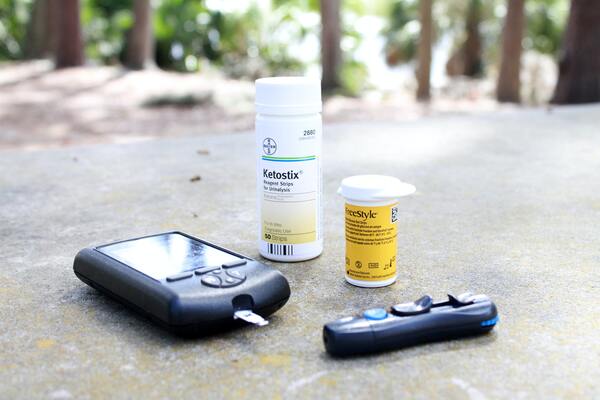
This study uses a fruit fly model of type 1 diabetes (T1D) to determine whether strengthening intestinal tight junctions to reduce intestinal permeability would improve T1D symptoms.
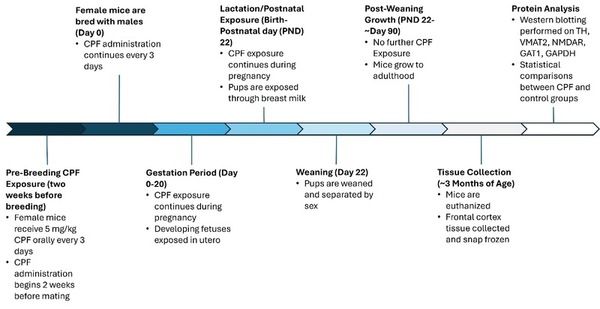
Read More...Chlorpyrifos exposure in mice leads to altered expression of key neurodevelopmental proteins
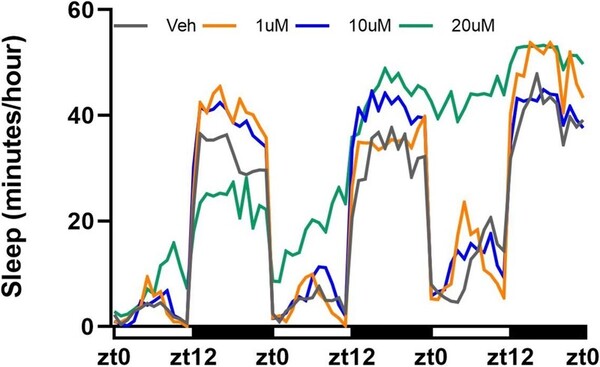
Dantrolene-induced ER stress alters sleep in Drosophila melanogaster
The ecological mysteries of Opheodesoma spectabilis : Seasonal trends, habitat preferences, and climate responses
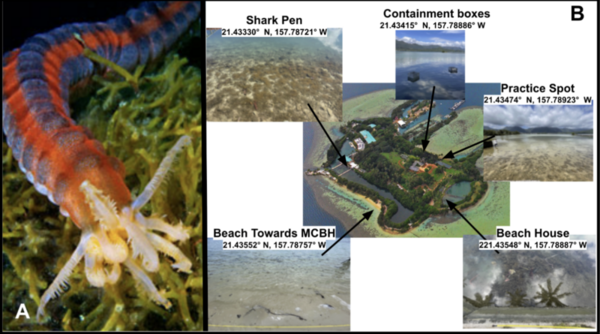
This study examines how environmental conditions influence the abundance and ecological role of the sea cucumber Opheodesoma spectabilis in Kāneʻohe Bay. Field observations and laboratory experiments showed that the species is more common in algae-dominated sandy habitats, where it improves water clarity and increases dissolved oxygen through bioturbation. However, exposure to very high temperatures caused rapid mortality, suggesting that marine heat waves could threaten this species and the ecological functions it provides.
Read More...Citrate and lactate drive glioblastoma progression via activation of tumor-associated macrophages
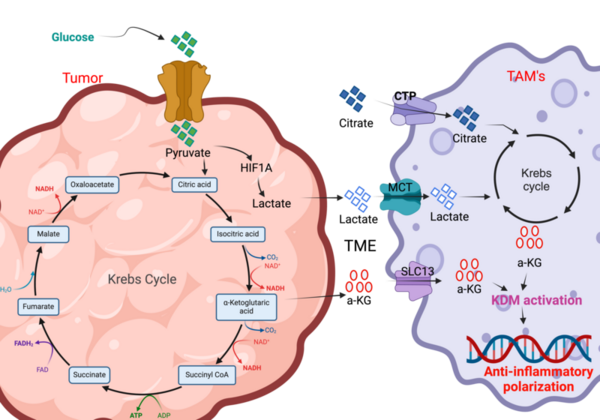
The authors looked at the impact of citrate and lactate on glioblastoma progression. Their results provide important insights for future immunotherapies aimed at treating glioblastoma.
Read More...Locating sources of a high energy cosmic ray extensive air shower using HiSPARC data

Using the data provided by the University of Twente High School Project on Astrophysics Research with Cosmics (HiSPARC), an analysis of locations for possible high-energy cosmic ray air showers was conducted. An example includes an analysis conducted of the high-energy rain shower recorded in January 2014 and the use of Stellarium™ to discern its location.
Read More...Giving Teens a Voice: Sources of Stress for High School Students

The authors investigate the negative effects stress has on teen mental and physical health. Through a survey, they give Virginia teens a voice in revising the Health and Physical Education curriculum to include a standards of learning (SOL). Notably they identify factors contributing to stress levels including homework level, amount of free and sleep time, parental pressure and family encouragement.
Read More...