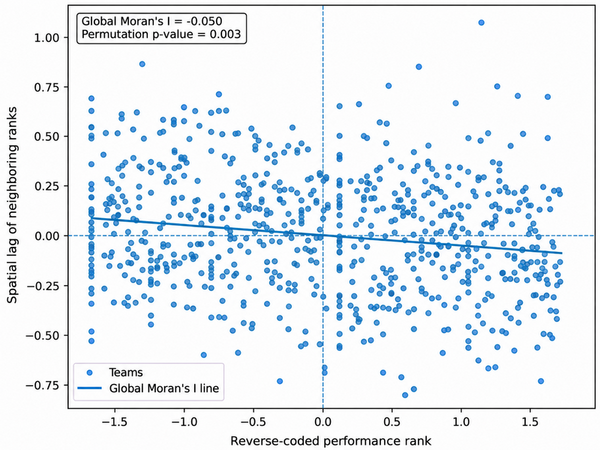
The study examined whether high school boys’ water polo teams located near strong programs had similar season performances during the 2024–2025 season.
Read More...Geographic proximity to strong competitors and team performance in high school water polo
The study examined whether high school boys’ water polo teams located near strong programs had similar season performances during the 2024–2025 season.
Read More...Sector Dynamics: Equity and fixed-income performance across market cycles
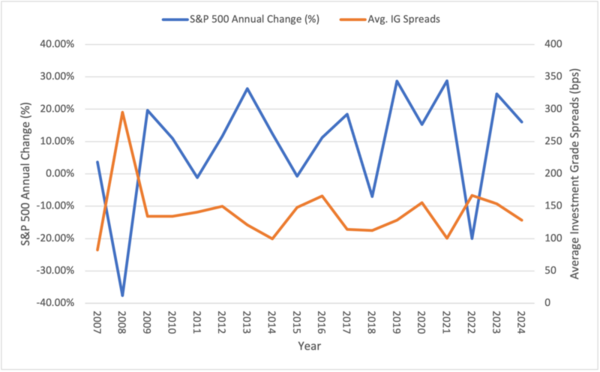
The authors examined the relationships between S&P 500 Technology and Financials equity sectors and their corresponding investment-grade fixed-income markets from 1995 to 2025.
Read More...Social and psychosocial factors associated with mood states among adolescents: A questionnaire-based study

The authors assess the relationship between supportive family environments and internalized stigma in adolescents.
Read More...Class distinctions in automated domestic waste classification with a convolutional neural network

Domestic waste classification using convolutional neural network
Read More...A cost-effective IoT-based intelligent indoor air quality monitoring
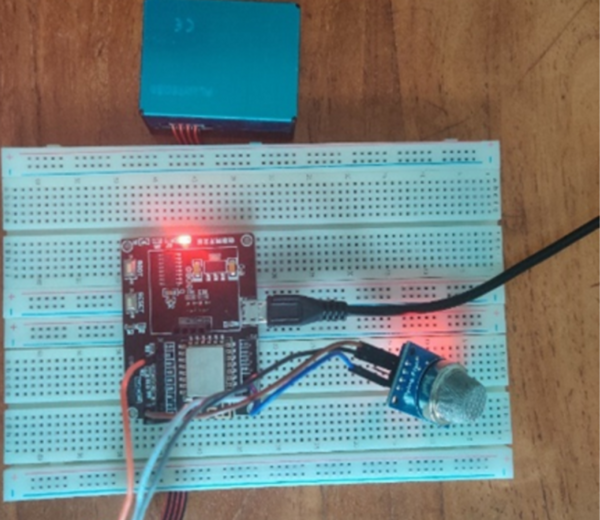
Poor air quality is associated with negative effects on human health but can be difficult to measure in an accurate and cost-effective manner. The authors design and test a monitor for measuring indoor air quality using low-cost components.
Read More...Does emotion regulation moderate the relationship between self-esteem and social desirability?
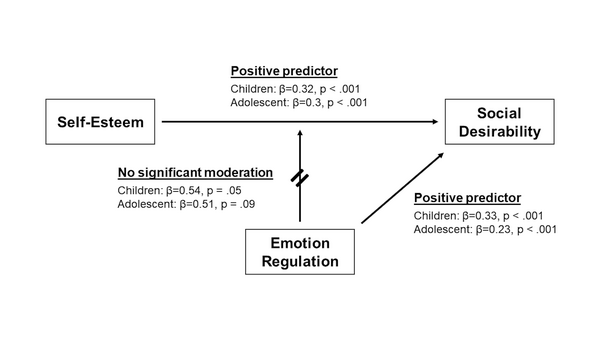
The authors investigate the relationship between self-esteem, social desirability, and emotion regulation in children and adolescents.
Read More...Characterization and Phylogenetic Analysis of the Cytochrome B Gene (cytb) in Salvelinus fontinalis, Salmo trutta and Salvelinus fontinalis X Salmo trutta Within the Lake Champlain Basin

Recent declines in the brook trout population of the Lake Champlain Basin have made the genetic screening of this and other trout species of utmost importance. In this study, the authors collected and analyzed 21 DNA samples from Lake Champlain Basin trout populations and performed a phylogenetic analysis on these samples using the cytochrome b gene. The findings presented in this study may influence future habitat decisions in this region.
Read More...Determining the Effects of Fibroblast Growth Factor 2 on the Regenerative Abilities of Echinometra lucunter Sea Urchins
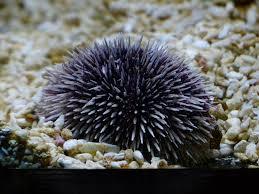
As humans, not all our body organs can adequately regenerate after injury, an ability that declines with age. In some species, however, regeneration is a hallmark response that can occur limitless numbers of time throughout the life of an organism. Understanding how such species can regenerate so efficiently is of central importance to regenerative medicine. Sea urchins, unlike humans, can regenerate their spinal tissue after injury. Here the authors study the effect of a growth factor, FGF2, on sea urchin regeneration but find no conclusive evidence for a pro-regenerative effect after spinal tissue injury.
Read More...Effects of an Informational Waste Management App on a User’s Waste Disposal Habits

While 75% of waste in the United States is stated to be recyclable, only about 34% truly is. This project takes a stance to combat the pillars of mismanaged waste through a modern means of convenience: the TracedWaste app. The purpose of this study was to identify how individuals' waste disposal habits improved and knowledge increased (i.e. correctly disposing of waste, understanding negative incorrect waste disposal) due to their use of an informational waste management app as measured by a survey using a 1-5 Likert Scale. The results showed that the TracedWaste app helped conserve abundant resources such as energy and wood, decrease carbon emissions, and minimize financial toll all through reducing individual impact.
Read More...Propagation of representation bias in machine learning

Using facial recognition as a use-case scenario, we attempt to identify sources of bias in a model developed using transfer learning. To achieve this task, we developed a model based on a pre-trained facial recognition model, and scrutinized the accuracy of the model’s image classification against factors such as age, gender, and race to observe whether or not the model performed better on some demographic groups than others. By identifying the bias and finding potential sources of bias, his work contributes a unique technical perspective from the view of a small scale developer to emerging discussions of accountability and transparency in AI.
Read More...