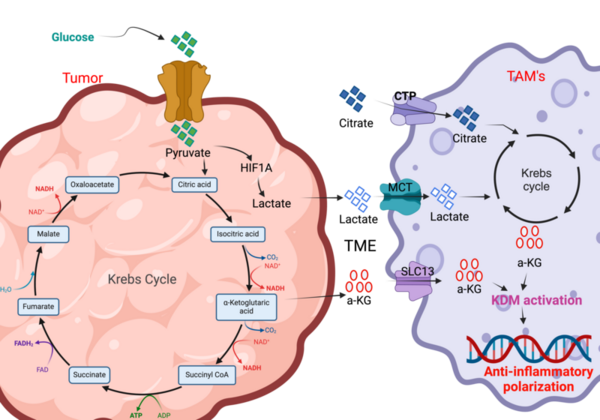
The authors looked at the impact of citrate and lactate on glioblastoma progression. Their results provide important insights for future immunotherapies aimed at treating glioblastoma.
Read More...Citrate and lactate drive glioblastoma progression via activation of tumor-associated macrophages
The authors looked at the impact of citrate and lactate on glioblastoma progression. Their results provide important insights for future immunotherapies aimed at treating glioblastoma.
Read More...The impact of genetic, drug, and procedural factors on cardiac xenograft survival days in non-human primates
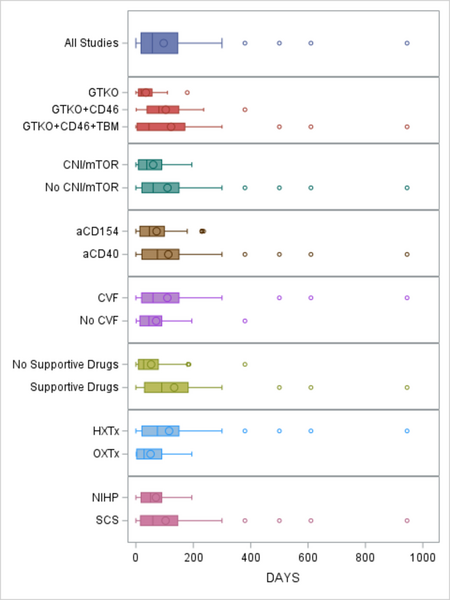
Due to a critical shortage of donor hearts, researchers are exploring cardiac xenotransplantation—transplanting animal hearts into humans—as a potential solution. This study synthesized nearly two decades of preclinical research to evaluate multiple factors affecting xenograft survival.
Read More...Identifying 5-hydroxymethylcytosine as a potential cancer biomarker using FFPE DNA samples
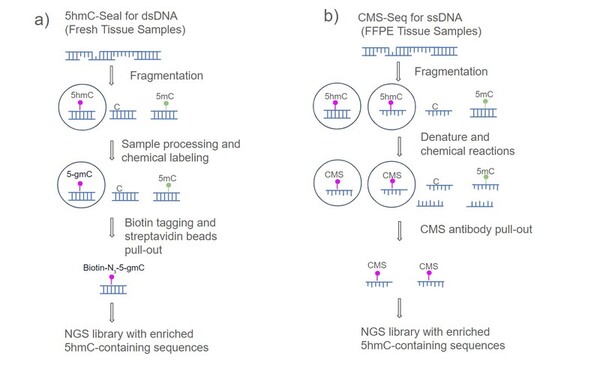
This study used an improved CMS-seq method to profile 5hmC in ormalin-fixed and paraffin-embedded (FFPE) samples from HNC tumors and adjacent normal tissues, identifying three genes (PRKD2, HADHA, and AIPL1) with promising potential as biomarkers for Head and neck cancer (HNC) diagnosis.
Read More...Genetic underpinnings of the sex bias in autism spectrum disorder
Here, seeking to identify a possible explanation for the more frequent diagnosis of autism spectrum disorder (ASD) in males than females, they sought to investigate a potential sex bias in the expression of ASD-associated genes. Based on their analysis, they identified 17 ASD-associated candidate genes that showed stronger collective sex-dependent expression.
Read More...Mismatch repair is not correlated with genomic alterations in glioblastoma patients
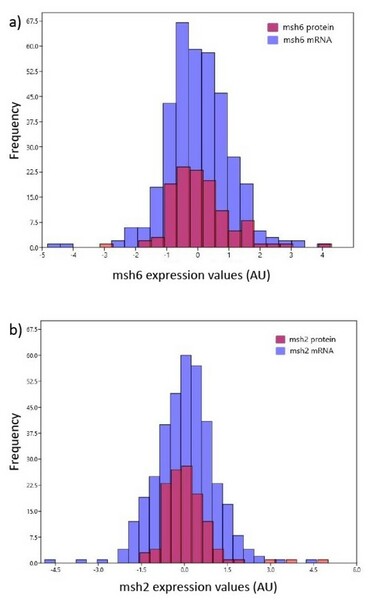
The authors looked at biomarkers in glioblastoma patients they hypothesized to be correlated with survival rate. Ultimately they did not find hMSH2 or hMSH6, genes involved in mismatch repair, to be significantly associated with outcomes related to increased survival.
Read More...Investigating the potential of zinc oxide nanoparticles and zinc ions as promising approaches to lung cancer
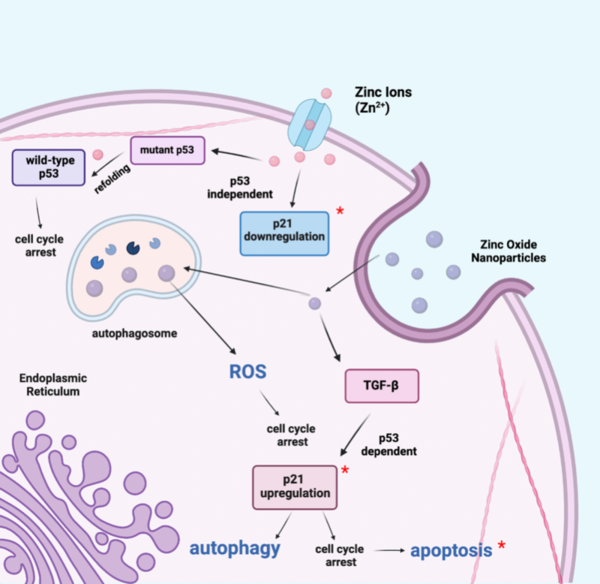
Here, the authors chose to investigate the efficacy of zinc oxide nanoparticles (ZnO NPs) and cisplatin or zinc ions in inducing cancer apoptosis. While both treatments were found to reduce the proliferation of lung cancer cells, the authors suggest that further studies to identify the mechanism are necessary.
Read More...How are genetically modified foods discussed on TikTok? An analysis of #GMOFOODS
Here, the authors investigated engagement with #GMOFOODS, a hashtag on TikTok. They hypothesized that content focused on the negative effects of genetically modified organisms would receive more interaction driven by consumers. They found that the most common cateogry focused on the disadvantages of GMOs related to nutrition and health with the number of views determining if the video would be provided to users.
Read More...The impact of genetic analysis on the early detection of colorectal cancer
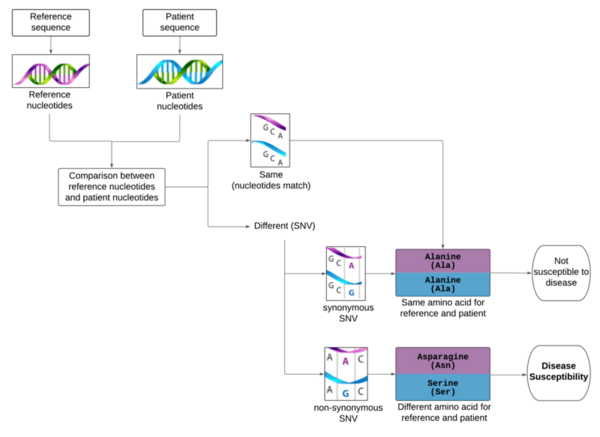
Although the 5-year survival rate for colorectal cancer is below 10%, it increases to greater than 90% if it is diagnosed early. We hypothesized from our research that analyzing non-synonymous single nucleotide variants (SNVs) in a patient's exome sequence would be an indicator for high genetic risk of developing colorectal cancer.
Read More...Uncovering mirror neurons’ molecular identity by single cell transcriptomics and microarray analysis
In this study, the authors use bioinformatic approaches to characterize the mirror neurons, which are active when performing and seeing certain actions. They also investigated whether mirror neuron impairment was connected to neural degenerative diseases and psychiatric disorders.
Read More...siRNA-dependent KCNMB2 silencing inhibits lung cancer cell proliferation and promotes cell death
Here, seeking to better understand the genetic associations underlying non-small cell lung cancer, the authors screened hundreds of genes, identifying that KCNMB2 upregulation was significantly correlated with poor prognoses in lung cancer patients. Based on this, they used small interfering RNA to decrease the expression of KCNMB2 in A549 lung cancer cells, finding decreased cell proliferation and increased lung cancer cell death. They suggest this could lead to a new potential target for lung cancer therapies.
Read More...