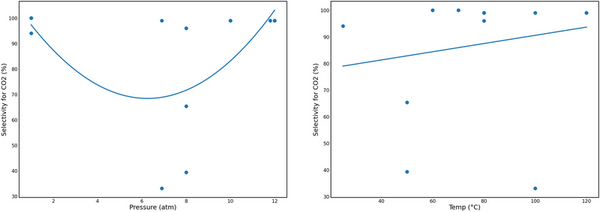
Metal-organic frameworks (MOFs) are promising new nanomaterials for use in the fight against climate change that can efficiently capture and convert CO2 to other useful carbon products. This research used computational models to determine the reaction conditions under which MOFs can more efficiently capture and convert CO2. In a cost-efficient manner, this analysis tested the hypothesis that pressure and temperature affect the efficacy of carbon capture and conversion, and contribute to understanding the optimal conditions for MOF performance to improve the use of MOFs for controlling greenhouse CO2 emissions.
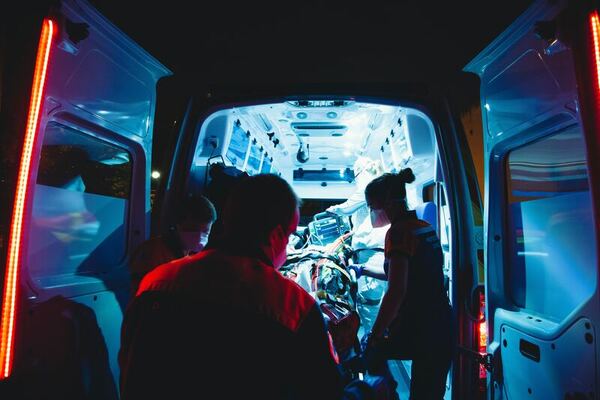
While serving as an immediate address for psychological safety and stability, psychological first aid (PFA) currently lacks the incorporation of triage. Without triage, patients cannot be prioritized in correspondence to condition severity that is often called for within emergency conditions. To disentangle the relevance of a potential triage system to PFA, the authors of this paper have developed a method to quantify resilience - a prominent predictor of the capability to recover from a disaster. With this resilience index, they have quantified resilience of differing age, race, and sex demographics to better inform the practice of PFA and potential demographic prioritization via a triage system.
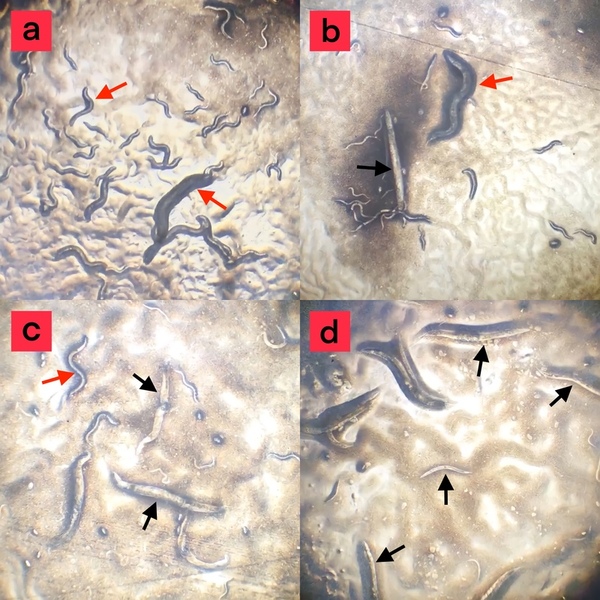
Caenorhabditis elegans xpa-1 and him-1 are orthologs of human XPA and human SMC1A, respectively. Mutations in the XPA are correlated with Xeroderma pigmentosum, a condition that induces hypersensitivity to ultraviolet (UV) radiation. Alternatively, SMC1A mutations may lead to Cornelia de Lange Syndrome, a multi-organ disorder that makes patients more sensitive to UVinduced DNA damage. Both C. elegans genes have been found to be involved in protection against UV radiation, but their combined effects have not been tested when they are both knocked down. The authors hypothesized that because these genes are involved in separate pathways, the simultaneous knockdown of both of these genes using RNA interference (RNAi) in C. elegans will cause them to become more sensitive to UV radiation than either of them knocked down individually. UV protection was measured via the percent survival of C. elegans post 365 nm and 5.4x10⁻¹⁹ joules of UV radiation. The double xpa-1/him-1 RNAi knockdown showed a significantly reduced percent survival after 15 and 30 minutes of UV radiation relative to wild-type and xpa-1 and him-1 single knockdowns. These measurements were consistent with their hypothesis and demonstrated that xpa-1 and him-1 genes play distinct roles in resistance against UV stress in C. elegans. This result raises the possibility that the xpa-1/him-1 double knockdown could be useful as an animal model for studying the human disease Xeroderma pigmentosum and Cornelia de Lange Syndrome.
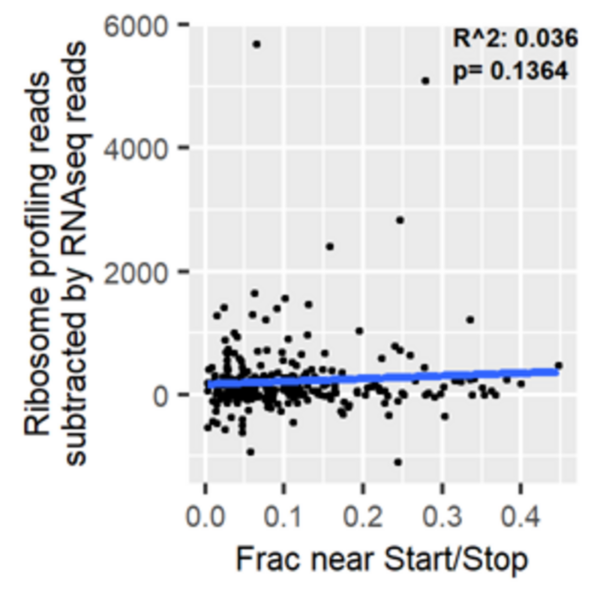
In this article, the authors analyzed ribosome profiling data from amino acid-starved pancreatic cancer cells to explore whether the pattern of ribosome distribution along transcripts under normal conditions can predict the degree of ribosome stalling under stress. The authors found that ribosomes in amino acid-deprived cells stalled more along elongation-limited transcripts. By contrast, they observed no relationship between read density near start and stop and disparities between mRNA sequencing reads and ribosome profiling reads. This research identifies an important relationship between read distribution and propensity for ribosomes to stall, although more work is needed to fully understand the patterns of ribosome distribution along transcripts in ribosome profiling data.
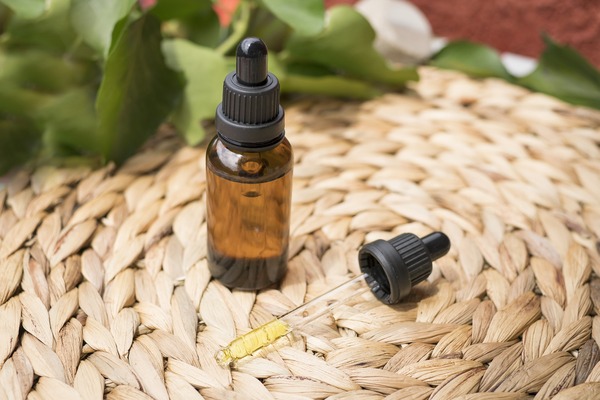
Cannabidiol (CBD) is a chemical extracted from cannabis and shown by some studies to alleviate the symptoms of many mental disorders, especially major depressive disorder. The authors hypothesized that chronic treatments with purified CBD through oral administration would relieve depression-associated behaviors in normal healthy rats under adverse conditions. A statistical analysis of the experimental data suggested that long-term consumption of CBD could elicit depression associated symptoms in normal rats without depression. The results imply that people should consume CBD-containing products with extreme caution and highlight the need to carefully monitor the use of CBD in health care products.
The objective of this project was to test various materials to determine which ones collect the most atmospheric water when exposed to the same environmental factors. The experiment observed the effect of weather conditions, a material’s surface area and hydrophilicity on atmospheric water collection. The initial hypothesis was that hydrophobic materials with the greatest surface area would collect the most water. The materials were placed in the same outside location each night for twelve trials. The following day, the materials were weighed to see how much water each had collected. On average, ribbed plastic collected 10.8 mL of water per trial, which was over 20% more than any other material. This result partially supported the hypothesis because although hydrophobic materials collected more water, surface area did not have a significant effect on water collection.
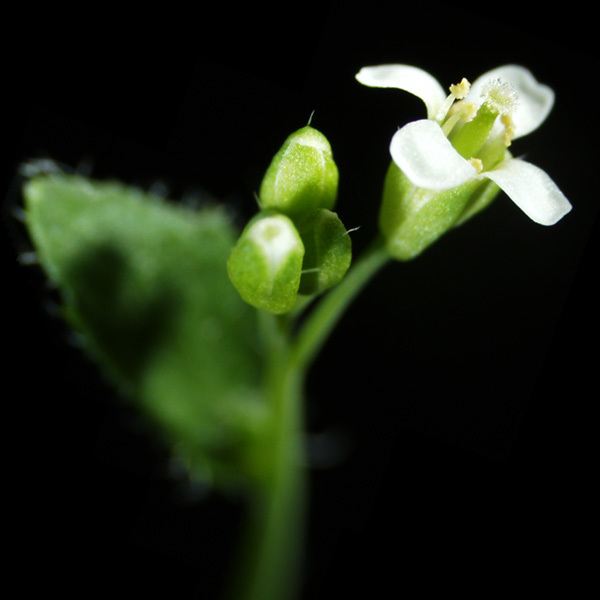
Arabadopsis, “the fruit fly of plants”, is an easy to grow plant system for genetic manipulation. Here, researchers tested the effects of varied light conditions on plants with specific mutations in the light sensing pathways.
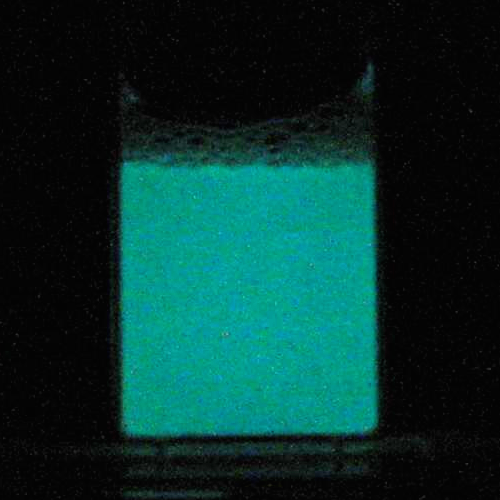
Vibrio fischeri is an amazing species of bacteria that lives symbiotically in the light organ of luminescent bobtail squid. In this study, authors study the strength and optimal conditions for V. fischeri light production, and assess whether this luminescence could be a natural light source comparable to manmade lighting.
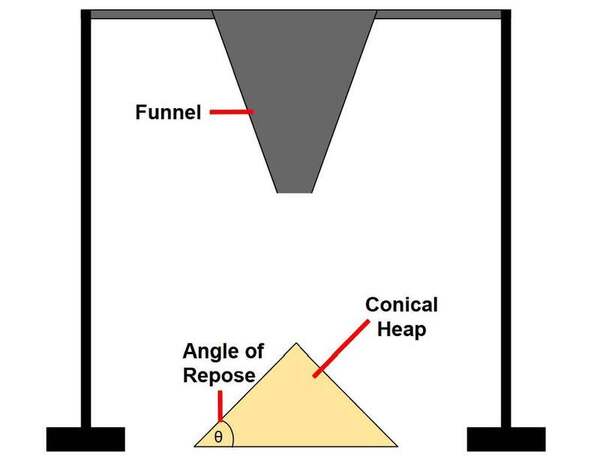
When granular materials are poured onto a surface, they form conical piles whose slopes increase before reaching a stable angle of repose. We found that this angle evolution follows a previously unrecognized two-phase exponential growth pattern that is conserved across granular materials with diverse particle properties. The parameters of this model correlate with particle friction and are influenced by deposition conditions, providing a quantitative framework for describing pile formation.
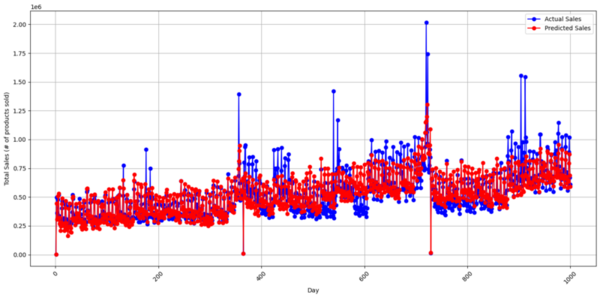
This study uses interpretable machine learning models, lasso and ridge regression with Shapley analysis, to identify key sales drivers for Corporación Favorita, Ecuador’s largest grocery chain. The results show that macroeconomic factors, especially labor force size, have the greatest impact on sales, though geographic and seasonal variables like city altitude and holiday proximity also play important roles. These insights can help businesses focus on the most influential market conditions to enhance competitiveness and profitability.