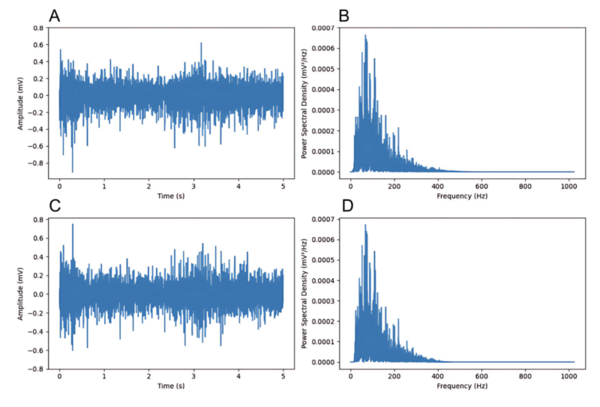
This manuscript evaluates peak detection algorithms for feature extraction in EMG-based hand gesture recognition using a random forest classifier. The study demonstrates that wavelet-based peak detection features achieve the highest classification accuracy (96.5%), outperforming other methods. The results highlight the potential of peak features to improve EMG-based prosthetic control systems.
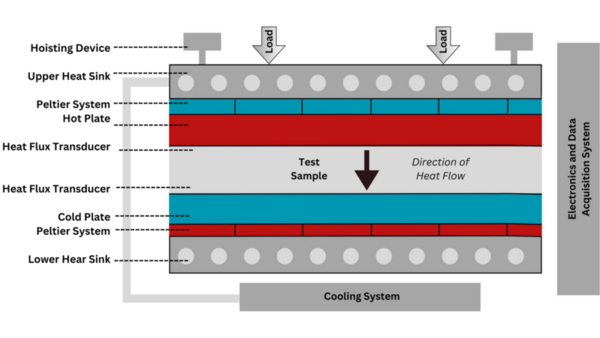
The authors looked into eco-friendly alternatives for insulating material. They ultimately found that a polyurethane derived from eggshells was an effective insulator and further research into it is warranted.
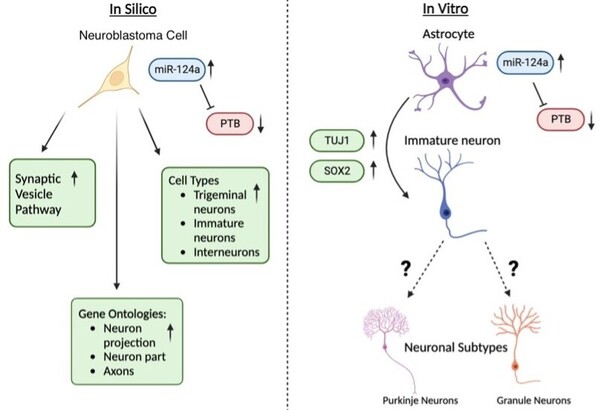
The authors looked at whether they could induce the formation of new neurons from astrocytes via the upregulation of a microRNA (miR-124a). They found that upregulation of miR-124a started transdifferentiation of neurons, but was not enough to lead to full conversion of astrocytes to neurons.
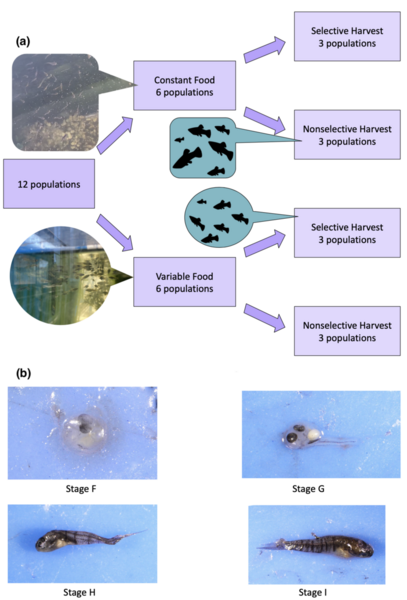
The authors looked at the impact of different harvest and feeding treatments on Heterandria formosa over three generations as a model for changes in marine ecosystems.
Here the authors aimed to understand factors influencing adolescent fentanyl exposure, hypothesizing a positive association between social media usage, socioeconomic factors, and fentanyl abuse among U.S. teens. Their analysis of the Monitoring the Future dataset revealed that a history of suspension and use of marijuana or alcohol were linked to higher fentanyl use, and while not statistically significant, a notable positive correlation between social media use and fentanyl frequency was observed.
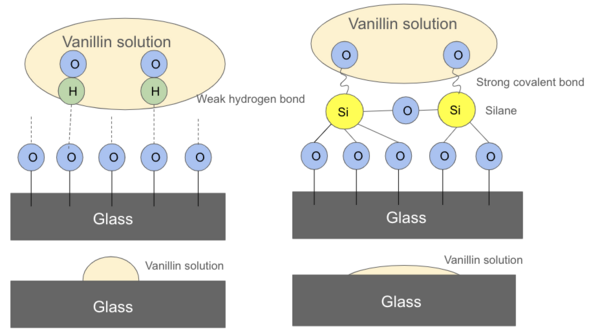
In this study, the authors investigate the crystallization kinetics of vanillin thin films from a solution or a melt, as well as how a silane coating on the glass surface affects these properties.
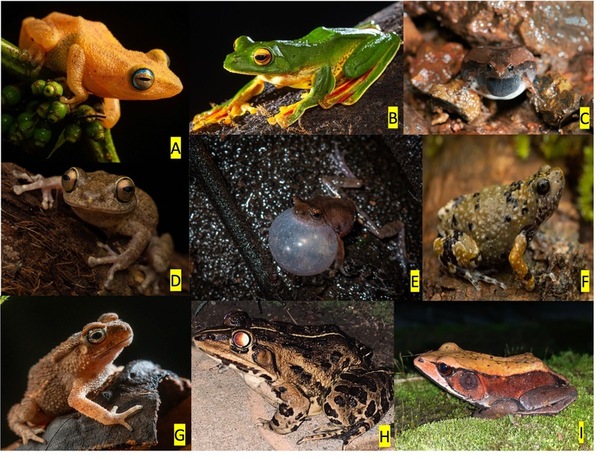
The mountain chain of the Western Ghats on the Indian peninsula, a UNESCO World Heritage site, is home to about 200 frog species, 89 of which are endemic. Distinctive to each frog species, their vocalizations can be used for species recognition. Manually surveying frogs at night during the rain in elephant and big cat forests is difficult, so being able to autonomously record ambient soundscapes and identify species is essential. An effective machine learning (ML) species classifier requires substantial training data from this area. The goal of this study was to assess data augmentation techniques on a dataset of frog vocalizations from this region, which has a minimal number of audio recordings per species. Consequently, enhancing an ML model’s performance with limited data is necessary. We analyzed the effects of four data augmentation techniques (Time Shifting, Noise Injection, Spectral Augmentation, and Test-Time Augmentation) individually and their combined effect on the frog vocalization data and the public environmental sounds dataset (ESC-50). The effect of combined data augmentation techniques improved the model's relative accuracy as the size of the dataset decreased. The combination of all four techniques improved the ML model’s classification accuracy on the frog calls dataset by 94%. This study established a data augmentation approach to maximize the classification accuracy with sparse data of frog call recordings, thereby creating a possibility to build a real-world automated field frog species identifier system. Such a system can significantly help in the conservation of frog species in this vital biodiversity hotspot.
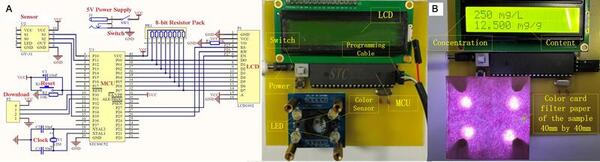
Black goji berries have attracted interest for their high levels of anthocyanin pigment, which believed to have health-boosting effects. Yu and Zhu research a method for measuring goji berry quality by detecting anthocyanin content under different conditions.