Browse Articles

Expression of Anti-Neurodegeneration Genes in Mutant Caenorhabditis elegans Using CRISPR-Cas9 Improves Behavior Associated With Alzheimer’s Disease

Mishra et al. | Sep 14, 2019

Expression of Anti-Neurodegeneration Genes in Mutant <em>Caenorhabditis elegans</em> Using CRISPR-Cas9 Improves Behavior Associated With Alzheimer’s Disease

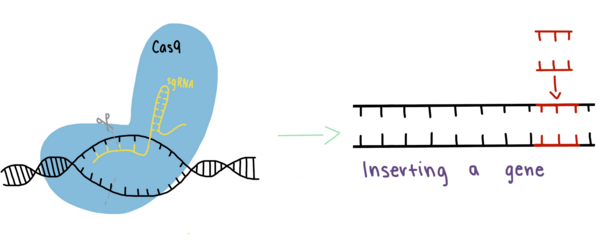
Alzheimer's disease is one of the leading causes of death in the United States and is characterized by neurodegeneration. Mishra et al. wanted to understand the role of two transport proteins, LRP1 and AQP4, in the neurodegeneration of Alzheimer's disease. They used a model organism for Alzheimer's disease, the nematode C. elegans, and genetic engineering to look at whether they would see a decrease in neurodegeneration if they increased the amount of these two transport proteins. They found that the best improvements were caused by increased expression of both transport proteins, with smaller improvements when just one of the proteins is overly expressed. Their work has important implications for how we understand neurodegeneration in Alzheimer's disease and what we can do to slow or prevent the progression of the disease.

Read More...
Upregulation of the Ribosomal Pathway as a Potential Blood-Based Genetic Biomarker for Comorbid Major Depressive Disorder (MDD) and PTSD

Ravi et al. | Aug 22, 2018

Upregulation of the Ribosomal Pathway as a Potential  Blood-Based Genetic Biomarker for Comorbid Major Depressive Disorder (MDD) and PTSD

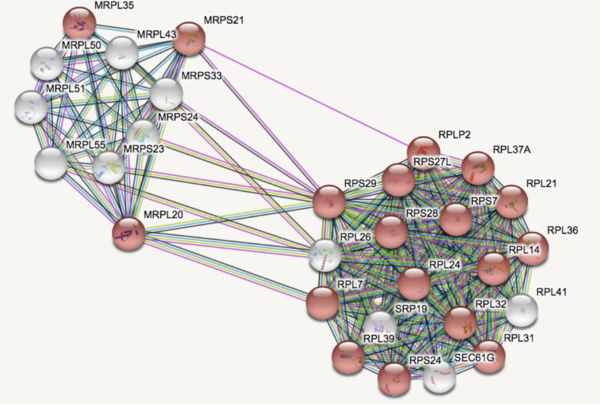
Major Depressive Disorder (MDD), and Post-Traumatic Stress Disorder (PTSD) are two of the fastest growing comorbid diseases in the world. Using publicly available datasets from the National Institute for Biotechnology Information (NCBI), Ravi and Lee conducted a differential gene expression analysis using 184 blood samples from either control individuals or individuals with comorbid MDD and PTSD. As a result, the authors identified 253 highly differentially-expressed genes, with enrichment for proteins in the gene ontology group 'Ribosomal Pathway'. These genes may be used as blood-based biomarkers for susceptibility to MDD or PTSD, and to tailor treatments within a personalized medicine regime.

Read More...

DyGS: A Dynamic Gene Searching Algorithm for Cancer Detection

Wang et al. | Jun 05, 2018

DyGS: A Dynamic Gene Searching Algorithm for Cancer Detection

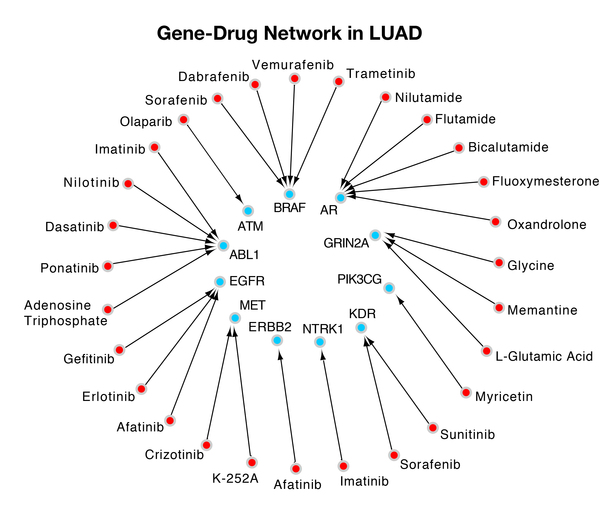
Wang and Gong developed a novel dynamic gene-searching algorithm called Dynamic Gene Search (DyGS) to create a gene panel for each of the 12 cancers with the highest annual incidence and death rate. The 12 gene panels the DyGS algorithm selected used only 3.5% of the original gene mutation pool, while covering every patient sample. About 40% of each gene panel is druggable, which indicates that the DyGS-generated gene panels can be used for early cancer detection as well as therapeutic targets in treatment methods.

Read More...

Plasmid Variance and Nutrient Regulation of Bioluminescence Genes

Uhler et al. | Dec 09, 2014

Plasmid Variance and Nutrient Regulation of Bioluminescence Genes

Numerous organisms, including the marine bacterium Aliivibrio fischeri, produce light. This bioluminescence is involved in many important symbioses and may one day be an important source of light for humans. In this study, the authors investigated ways to increase bioluminescence production from the model organism E. coli.

Read More...

Identification of potential therapeutic targets for multiple myeloma by gene expression analysis

Kochenderfer et al. | Apr 26, 2024

Identification of potential therapeutic targets for multiple myeloma by gene expression analysis
Image credit: The authors

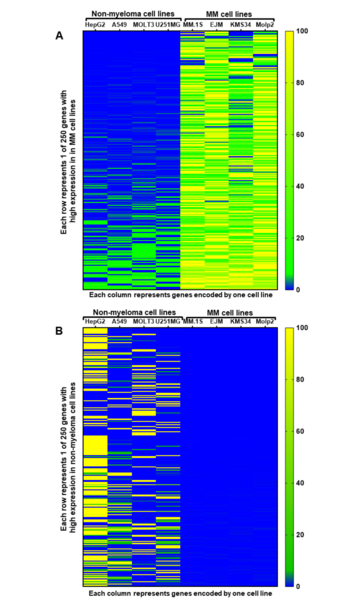
A central challenge of cancer therapy is identifying treatments that will effectively target cancer cells while minimizing effects on healthy cells. To identify potential targets for treating a multiple myeloma, a frequently incurable cancer, Kochenderfer and Kochenderfer analyze RNA sequencing data from the Cancer Cell Line Encyclopedia to find genes with high expression in multiple myeloma cells and low expression in normal tissues

Read More...

Applying centrality analysis on a protein interaction network to predict colorectal cancer driver genes

Saha et al. | Nov 18, 2023

Applying centrality analysis on a protein interaction network to predict colorectal cancer driver genes

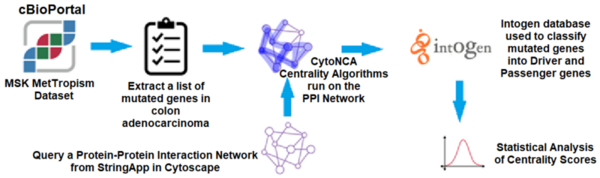
In this article the authors created an interaction map of proteins involved in colorectal cancer to look for driver vs. non-driver genes. That is they wanted to see if they could determine what genes are more likely to drive the development and progression in colorectal cancer and which are present in altered states but not necessarily driving disease progression.

Read More...

The effects of the cancer metastasis promoting gene CD151 in E. coli

Burgess et al. | Jun 11, 2023

The effects of the cancer metastasis promoting gene <i>CD151</i> in <i>E. coli</i>
Image credit: qimono

The independent effects of metastasis-promoting gene CD151 in the process of metastasis are not known. This study aimed to isolate CD151 to discover what its role in metastasis would be uninfluenced by potential interactions with other components and pathways in human cells. Results showed that CD151 significantly increased the adhesion of the cells and decreased their motility. Thus, it may be that CD151 is upregulated in cancer cells for the last step of metastasis, and it increases the chances of success of metastasis by aiding in implantation of the cancer cells. Targeting CD151 in chemotherapeutic modalities could therefore potentially slow or prevent metastasis.

Read More...