Browse Articles

Impact of salinity and phosphorus on growth of Phaseolus Vulgaris inoculated with Arbuscular Mycorrhizal Fungi

Matanachai et al. | Jun 16, 2022

Impact of salinity and phosphorus on growth of <em>Phaseolus Vulgaris</em> inoculated with Arbuscular Mycorrhizal Fungi

Here, recognizing a declining supply of rock phosphate, as well as its role in crop fertilization, the authors investigated a fungus that forms a symbiotic relationship with many crops. They found that symbiosis between the fungus and common bean plant increased the affinity of the plant towards absorbing nutrients as evidenced by lower root-to-shoot ratios in beans planted in soil with various concentrations of phosphorous and salinity.

Read More...
A novel approach for early detection of Alzheimer’s disease using deep neural networks with magnetic resonance imaging

Ganesh et al. | Mar 20, 2022

A novel approach for early detection of Alzheimer’s disease using deep neural networks with magnetic resonance imaging

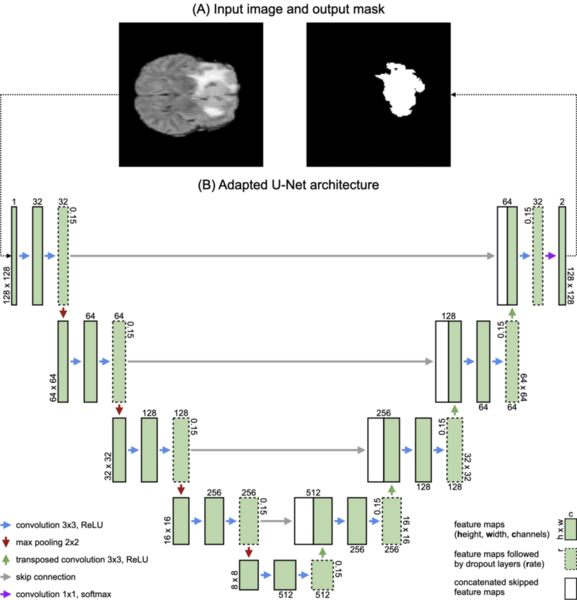
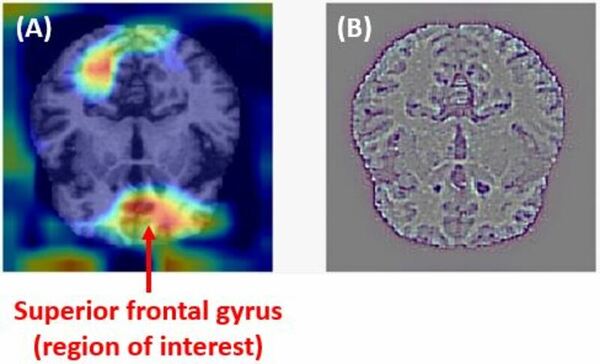
In the battle against Alzheimer's disease, early detection is critical to mitigating symptoms in patients. Here, the authors use a collection of MRI scans, layering with deep learning computer modeling, to investigate early stages of AD which can be hard to catch by human eye. Their model is successful, able to outperform previous models, and detected regions of interest in the brain for further consideration.

Read More...

Exogenous foliar thiamine application as an alternative strategy to mitigate lead stress in Lepidium sativum

Chen et al. | Oct 28, 2026

Exogenous foliar thiamine application as an alternative strategy to mitigate lead stress in <i>Lepidium sativum</i>

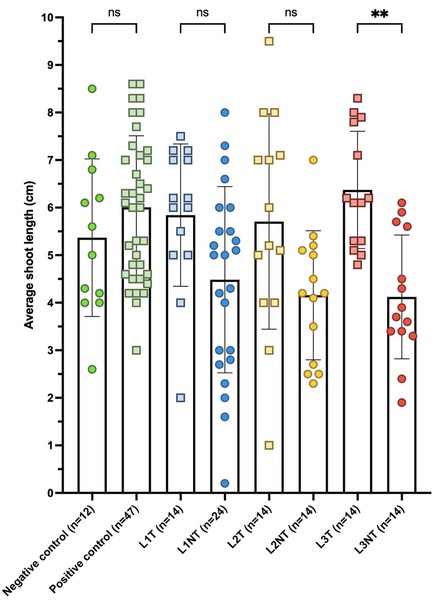
This study investigated whether thiamine (vitamin B1) could mitigate the harmful effects of lead contamination on plant growth. Using garden cress (Lepidium sativum), we found that lead exposure reduced plant growth and biomass, while thiamine treatment partially alleviated these effects, improving shoot length and overall plant length. These findings highlight the potential of thiamine as a simple strategy to improve plant resilience to heavy metal stress, with implications for agricultural productivity and food security.

Read More...

In vitro effects of cosmetic products on the growth of skin-resident bacteria

Relia et al. | Sep 20, 2026

<i>In vitro</i> effects of cosmetic products on the growth of skin-resident bacteria

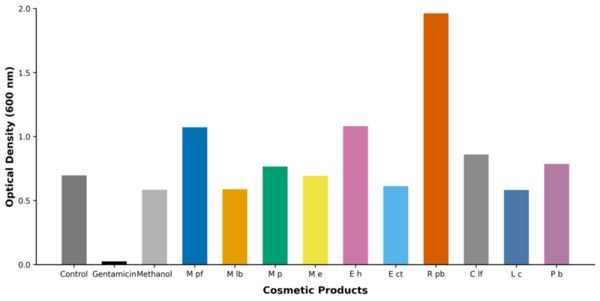
This study investigated how 18 commonly used cosmetic products affect the growth of two skin-resident bacteria, Staphylococcus epidermidis and Micrococcus luteus. At higher concentrations, half of the tested products inhibited at least one bacterial species, suggesting that some cosmetics may disrupt the skin microbiome and its natural balance.

Read More...

The most efficient position of magnets

Shin et al. | Mar 28, 2024

The most efficient position of magnets
Image credit: immo RENOVATION

Here, the authors investigated the most efficient way to position magnets to hold the most pieces of paper on the surface of a refrigerator. They used a regression model along with an artificial neural network to identify the most efficient positions of four magnets to be at the vertices of a rectangle.

Read More...