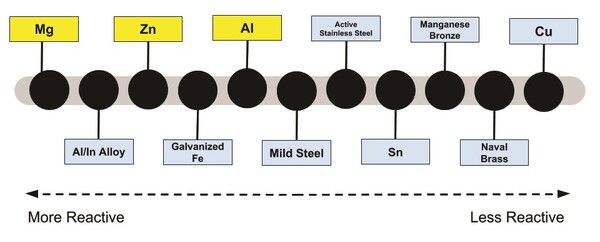
One of the greatest challenges we face today is the sustainable production, storage, and distribution of electrical power. One emerging technology with great promise in this area is that of metal-air fuel cells—a long-term and reusable electricity storage system made from a reactive metal anode and a saline solution. In this study the authors tested several different types of metal to determine which was the most suitable for this application. They found that a fuel cell with a magnesium anode was superior to fuel cells made from aluminum or zinc, producing a voltage and current sufficient for real-world applications such as charging a mobile phone.
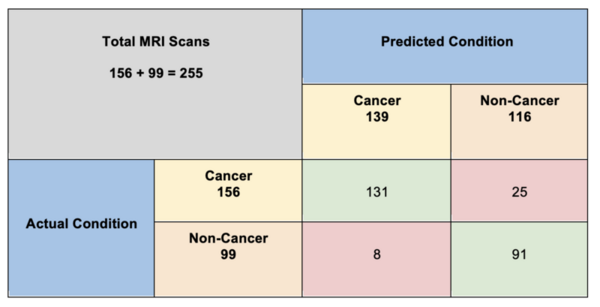
AI analysis of brain scans offers promise for helping doctors diagnose brain tumors. Haider and Drosis explore this field by developing machine learning models that classify brain scans as "cancer" or "non-cancer" diagnoses.
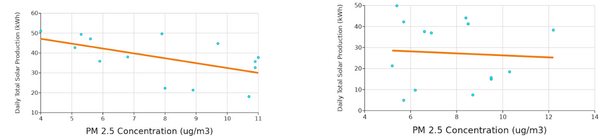
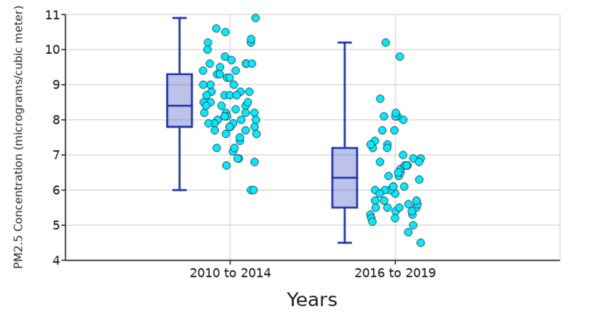
Air pollution is thought to increase the prevalence of health conditions like chronic obstructive pulmonary disease (COPD). Ganeshwaran and Ropiak investigate this relationship by determining whether there is a correlation between between one type of air pollution (fine particulate matter concentrations) and COPD hospitalization rates in Massachusetts.
Air pollution has detrimental effects on both the environment and humans. Here, researchers use graphene oxide to filter particulate matter from the air. Graphene oxide filters performed better than commercially available filters, effectively removing particulate matter from the air.
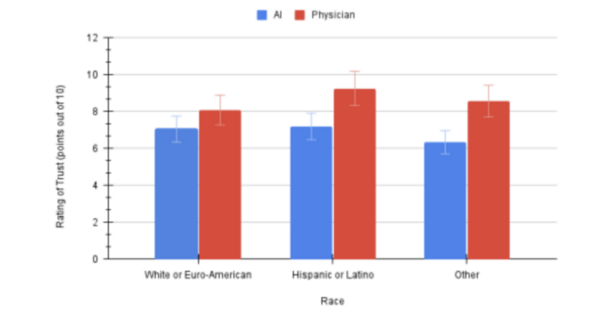
As AI becomes more integrated into healthcare, public trust in AI-developed treatment plans remains a concern, especially for emotionally charged health decisions. In a study of 81 community college students, AI-created treatment plans received lower trust ratings compared to physician-developed plans, supporting the hypothesis. The study found no significant differences in AI trust levels across demographic factors, suggesting overall skepticism toward AI-driven healthcare.
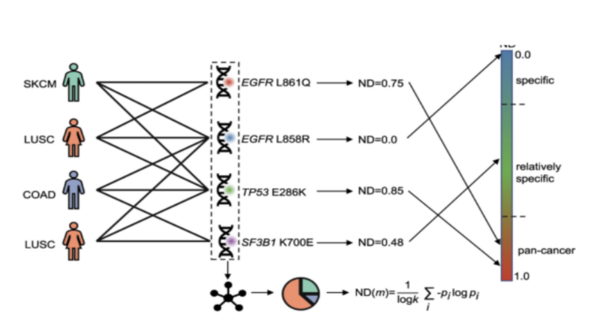
Breast cancer is the most common cancer in women, with approximately 300,000 diagnosed with breast cancer in 2023. It ranks second in cancer-related deaths for women, after lung cancer with nearly 50,000 deaths. Scientists have identified important genetic mutations in genes like BRCA1 and BRCA2 that lead to the development of breast cancer, but previous studies were limited as they focused on specific populations. To overcome limitations, diverse populations and powerful statistical methods like genome-wide association studies and whole-genome sequencing are needed. Explainable artificial intelligence (XAI) can be used in oncology and breast cancer research to overcome these limitations of specificity as it can analyze datasets of diagnosed patients by providing interpretable explanations for identified patterns and predictions. This project aims to achieve technological and medicinal goals by using advanced algorithms to identify breast cancer subtypes for faster diagnoses. Multiple methods were utilized to develop an efficient algorithm. We hypothesized that an XAI approach would be best as it can assign scores to genes, specifically with a 90% success rate. To test that, we ran multiple trials utilizing XAI methods through the identification of class-specific and patient-specific key genes. We found that the study demonstrated a pipeline that combines multiple XAI techniques to identify potential biomarker genes for breast cancer with a 95% success rate.
Human immunodeficiency virus (HIV), which affects tens of millions of individuals worldwide, can lead to acquired immunodeficiency syndrome (AIDS). While there is currently no cure for HIV, the development of small molecule antiretroviral agents has greatly improved the prognosis of infected individuals, especially in developed countries. Here, the authors employ homology modeling and molecular docking towards the identification of novel rilpivirine analogs that retain high binding affinity to clinically relevant rilpivirine-resistant mutations of the HIV reverse transcriptase enzyme.
This study developed an effective method for extracting valuable information from social media data and employed computer-assisted human coding alongside the AI-powered tool to analyze social media posts. The findings provide a deep understanding of the major challenges that home health care workers are experiencing and offer important implications regarding how to improve home healthcare workers' well-being, and provide suggestions on optimizing the home health care service experience.

.jpg)