Browse Articles

Examining the impact of consecutive losses on gambling: When do we decide to quit?

Kim et al. | Apr 28, 2026

Examining the impact of consecutive losses on gambling: When do we decide to quit?
Image credit: Kim, Cragun, and Kim

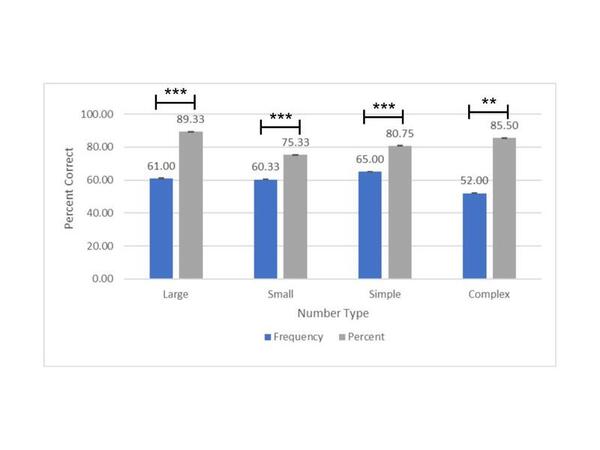
This article explored the question of when do people decide to stop gambling and further tries to extrapolate why people stop gambling at that point. Their study showed that people tend to quit gambling after 4 consecutive losses, significantly more than 1-3 consecutive losses or a win previous to quitting. They also found that participants commonly quit at a point value approximately 5 points greater than or less than their starting balance. The authors concluded that these results may be important in understanding how to cut down on excessive gambling or in creating policies that make it easier for people to disengage from gambling.

Read More...

QuitPuff: A Simple Method Using Saliva to Assess the Risk of Oral Pre-Cancerous Lesions and Oral Squamous Cell Carcinoma in Chronic Smokers

Shamsher et al. | Mar 27, 2019

QuitPuff: A Simple Method Using Saliva to Assess the Risk of Oral Pre-Cancerous Lesions and Oral Squamous Cell Carcinoma in Chronic Smokers

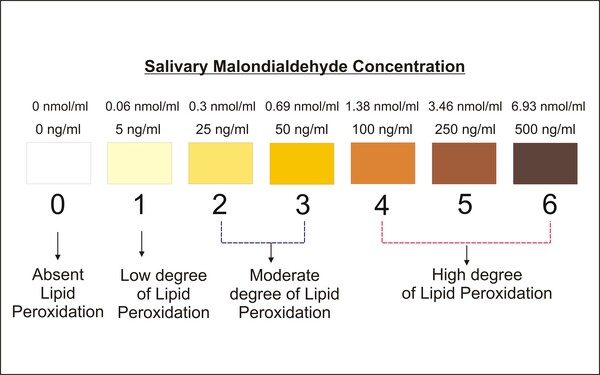
Smoking generates free radicals and reactive oxygen species which induce cell damage and lipid peroxidation. This is linked to the development of oral cancer in chronic smokers. The authors of this study developed Quitpuff, simple colorimetric test to measure the extent of lipid peroxidation in saliva samples. This test detected salivary lipid peroxidation with 96% accuracy in test subjects and could serve as an inexpensive, non-invasive test for smokers to measure degree of salivary lipid peroxidation and potential risk of oral cancer.

Read More...

Culturally Adapted Assessment Tool for Autism Spectrum Disorder and its Clinical Significance

Das et al. | Apr 19, 2021

Culturally Adapted Assessment Tool for Autism Spectrum Disorder and its Clinical Significance

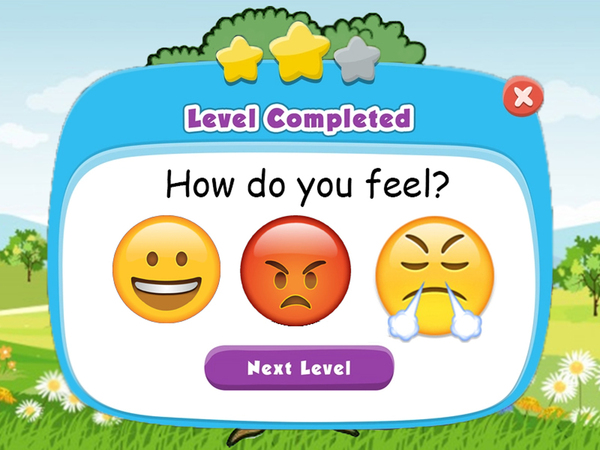
Diagnosing of Autism Spectrum Disorder (ASD) using tools developed in the West is challenging in the Indian setting due to a huge diversity in sociocultural and economic backgrounds. Here, the authors developed a home-based, audiovisual game app (Autest) suitable for ASD risk assessment in Indian children under 10 years of age. Ratings suggested that the tool is effective and can reduce social inhibition and facilitate assessment. Further usage and development of Autest can improve risk assessment and early intervention measures for children with ASD in India.

Read More...