Organic and non-organic contaminants in tap water have been linked to adverse health effects. Tap water is a major source of lead, which is neurotoxic and poses a major health risk, particularly to children and pregnant women. Using publicly available annual water quality reports data for the state of Missouri, the authors show that communities with lower median household income and lower per capita incomes had significantly higher lead levels in their tap water.
In this study, the authors conducted a statistical investigation into the history of position-based racial segregation in the NFL. Specifically, they focused on the cornerback position, which they hypothesized would be occupied disproportionately by black players due to their historical stereotyping as more suitable for positions requiring extreme athletic ability. Using publicly available datasets on the demographics of NFL players over the past several decades, they confirmed their hypothesis that the cornerback position is skewed towards black players. They additionally discovered that, unlike in the quarterback position, this trend has shown no sign of decreasing over time.
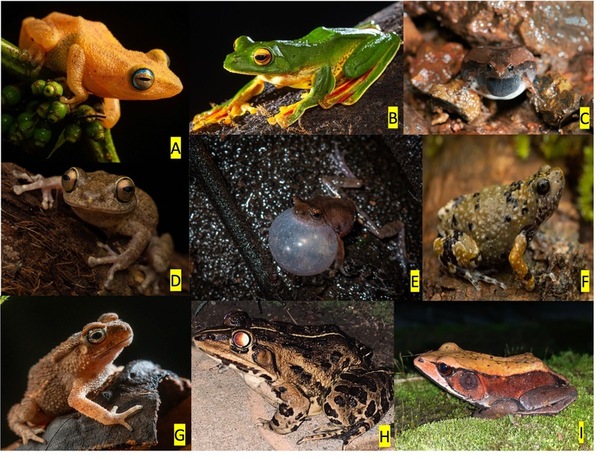
The mountain chain of the Western Ghats on the Indian peninsula, a UNESCO World Heritage site, is home to about 200 frog species, 89 of which are endemic. Distinctive to each frog species, their vocalizations can be used for species recognition. Manually surveying frogs at night during the rain in elephant and big cat forests is difficult, so being able to autonomously record ambient soundscapes and identify species is essential. An effective machine learning (ML) species classifier requires substantial training data from this area. The goal of this study was to assess data augmentation techniques on a dataset of frog vocalizations from this region, which has a minimal number of audio recordings per species. Consequently, enhancing an ML model’s performance with limited data is necessary. We analyzed the effects of four data augmentation techniques (Time Shifting, Noise Injection, Spectral Augmentation, and Test-Time Augmentation) individually and their combined effect on the frog vocalization data and the public environmental sounds dataset (ESC-50). The effect of combined data augmentation techniques improved the model's relative accuracy as the size of the dataset decreased. The combination of all four techniques improved the ML model’s classification accuracy on the frog calls dataset by 94%. This study established a data augmentation approach to maximize the classification accuracy with sparse data of frog call recordings, thereby creating a possibility to build a real-world automated field frog species identifier system. Such a system can significantly help in the conservation of frog species in this vital biodiversity hotspot.
This study aims to examine the demographic factors that predict patterns of co-use of alcohol and marijuana in the United States. Significant findings were identified using data from the National Survey on Drug Use and Health (2012-2022), showing that there were significant differences in the prevalence of substance use among demographic groups, with young adults showing the highest co-use of alcohol and marijuana.
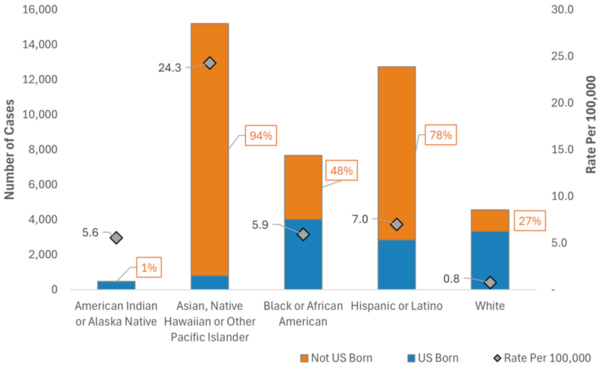
The main goal of this study is to determine what demographics are related to tuberculosis incidence in the United States populations, particularly if changing demographics are related to differences in tuberculosis risk over two discrete time periods. The major finding is that in the two studied time periods, tuberculosis risk factors were somewhat consistent and may be influenced by things such as immigration, healthcare access, and race or ethnicity, although the top predictor did change.
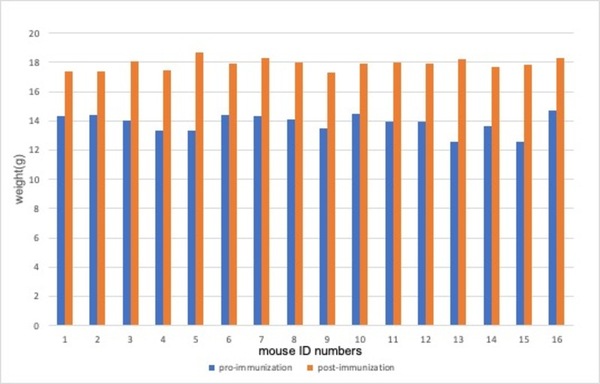
The authors looked at the immunogenicity of a newly developed pneumococcal conjugate vaccine compared to a previously developed one. They found the newly developed vaccine did elicit an immune response.
%20JEI-21-181R5.jpeg)


.png)