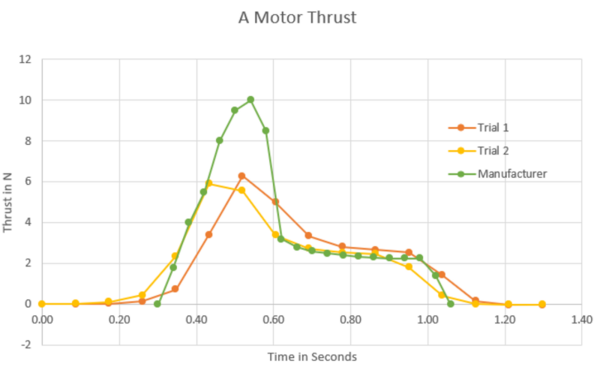
In this paper, Thomas et al. introduce a new, affordable way to study characteristics of rocket motors using small-scale rocket motors.
Read More...Experimental characterization of thrust for ≤ 20 N-s impulse solid rocket motors
In this paper, Thomas et al. introduce a new, affordable way to study characteristics of rocket motors using small-scale rocket motors.
Read More...Heat conduction: Mathematical modeling and experimental data
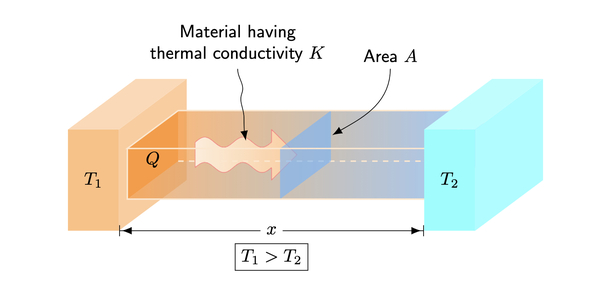
In this experiment, the authors modify the heat equation to account for imperfect insulation during heat transfer and compare it to experimental data to determine which is more accurate.
Read More...Factors Influencing Muon Flux and Lifetime: An Experimental Analysis Using Cosmic Ray Detectors
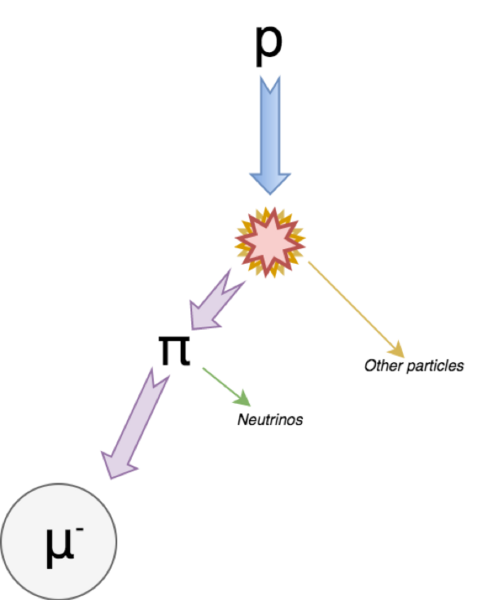
Muons, one of the fundamental elementary particles, originate from the collision of cosmic rays with atmospheric particles and are also generated in particle accelerator collisions. In this study, Samson et al analyze the factors that influence muon flux and lifetime using Cosmic Ray Muon Detectors (CRMDs). Overall, the study suggests that water can be used to decrease muon flux and that scintillator orientation is a potential determinant of the volume of data collected in muon decay studies.
Read More...Immunogenicity of Minhai 13-valent pneumococcal polysaccharide conjugate vaccine in experimental mice
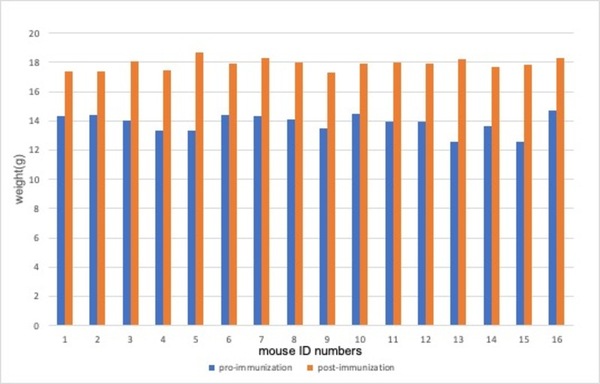
The authors looked at the immunogenicity of a newly developed pneumococcal conjugate vaccine compared to a previously developed one. They found the newly developed vaccine did elicit an immune response.
Read More...Battling cultural bias within hate speech detection: An experimental correlation analysis
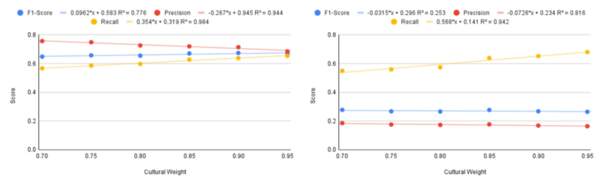
The authors develop a new method for training machine learning algorithms to differentiate between hate speech and cultural speech in online platforms.
Read More...Quantifying right atrial dilation relative to atrial septal defect size using an experimental model
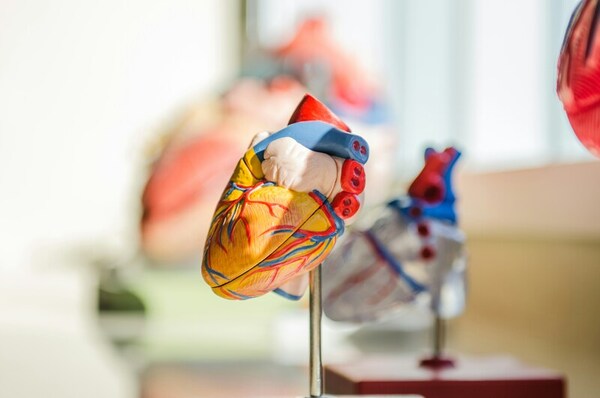
To address the limitations in predicting the severity of Atrial Septal Defect (ASD), here the authors utilized a fluid-filled chamber model to quantify the relationship between defect size and right atrial fluid output. The findings confirmed that larger ASD diameters result in a linear increase in fluid output, validating a cost-effective model that can improve clinical prognosis and treatment planning for heart failure risks.
Read More...Effects of noise on information corruption in the quantum teleportation algorithm
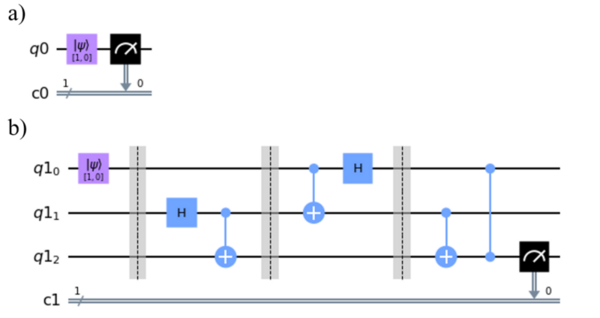
In quantum computing, noise disrupts experimental results, particularly affecting the quantum teleportation algorithm used to transfer qubit states. This study explores how noise impacts this algorithm across different platforms—a perfect simulation, a noisy simulation, and real hardware.
Read More...Mechanistic deconvolution of autoreduction in tetrazolium-based cell viability assays
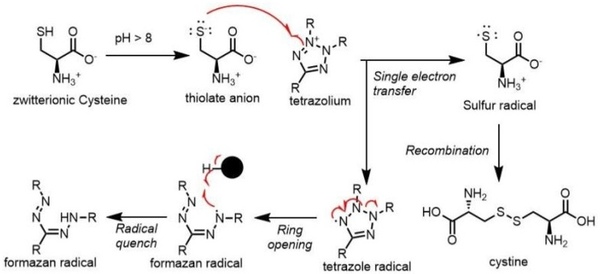
Optical reporters like tetrazolium dyes, exemplified by 5-diphenyl tetrazolium bromide (MTT), are effective tools for quantifying cellular responses under experimental conditions. These dyes assess cell viability by producing brightly-colored formazan dyes when reduced inside active cells. However, certain small molecules, including reducing agents like ascorbic acid, cysteine, and glutathione (GSH), can interfere with MTT assays, potentially compromising accuracy.
Read More...Obscurity of eyebrows influences recognition of human emotion and impacts older adolescents

Here, seeking to better understand how facial features provide important visual cues to help convey emotions, the authors evaluated the accuracy and reaction time of participants in regards to experimental photographs where a person's eyebrows were obscured and ones where they were not. Their findings revealed that removing eyebrows resulted in a significant decrease in a participant's ability to recognize anger, with adolescents most likely to misidentify emotions.
Read More...Developing a neural network to model the mechanical properties of 13-8 PH stainless steel alloy
We systematically evaluated the effects of raw material composition, heat treatment, and mechanical properties on 13-8PH stainless steel alloy. The results of the neural network models were in agreement with experimental results and aided in the evaluation of the effects of aging temperature on double shear strength. The data suggests that this model can be used to determine the appropriate 13-8PH alloy aging temperature needed to achieve the desired mechanical properties, eliminating the need for many costly trials and errors through re-heat treatments.
Read More...