Browse Articles

Correlation of Prominent Intelligence Type & Coworker Relations

Rasmus et al. | Mar 29, 2022

Correlation of Prominent Intelligence Type & Coworker Relations

Ashley Moulton & Joseph Rasmus investigate 9 controversial categories of intelligence as predicted by Multiple Intelligence Theory, originally proposed in the mid-1980s. By collecting data from 56 participants, they record that there may not actually be a correlation between these categorical types when it comes to workplace atmosphere and project efficiency.

Read More...
Effects of Ocean Acidification on the Photosynthetic Ability of Chaetoceros gracilis in the Monterey Bay

Harvell et al. | Jan 16, 2020

Effects of Ocean Acidification on the Photosynthetic Ability of <i>Chaetoceros gracilis</i> in the Monterey Bay

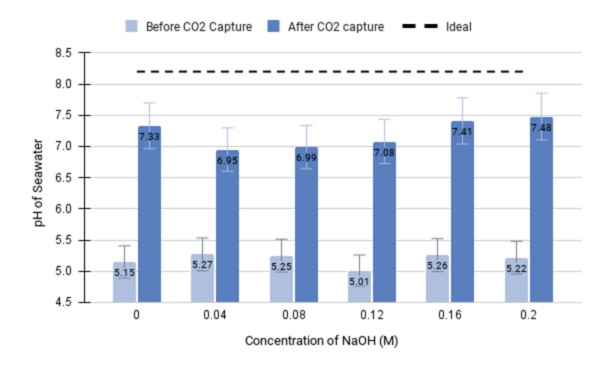
In this article, Harvell and Nicholson hypothesized that increased ocean acidity would decrease the photosynthetic ability of Chaetoceros gracilis, a diatom prolific in Monterey Bay, because of the usually corrosive effects of carbonic acid on both seashells and cells’ internal structures. They altered pH of algae environments and measured the photosynthetic ability of diatoms over four days by spectrophotometer. Overall, their findings indicate that C. gracilis may become more abundant in Monterey Bay as the pH of the ocean continues to drop, potentially contributing to harmful algal blooms.

Read More...

Phytoplankton Plastid Proteomics: Cracking Open Diatoms to Understand Plastid Biochemistry Under Iron Limitation

Nunn et al. | Feb 10, 2017

Phytoplankton Plastid Proteomics: Cracking Open Diatoms to Understand Plastid Biochemistry Under Iron Limitation

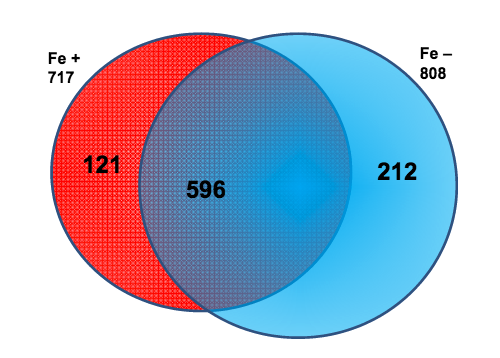
In many areas of the world’s oceans, diatoms such as Thalassiosira pseudonana are limited in growth by the availability of iron (Fe), which is an essential nutrient for diatoms. The authors of this study examined if Fe-limitation makes a significant difference in the proteins expressed within the chloroplast, the power source for diatoms, utilizing a new plastid isolation technique specific to diatoms and completing 14 mass spectrometry experiments.

Read More...

Artificial Intelligence-Based Smart Solution to Reduce Respiratory Problems Caused by Air Pollution

Bhardwaj et al. | Dec 14, 2021

Artificial Intelligence-Based Smart Solution to Reduce Respiratory Problems Caused by Air Pollution

In this report, Bhardwaj and Sharma tested whether placing specific plants indoors can reduce levels of indoor air pollution that can lead to lung-related illnesses. Using machine learning, they show that plants improved overall indoor air quality and reduced levels of particulate matter. They suggest that plant-based interventions coupled with sensors may be a useful long-term solution to reducing and maintaining indoor air pollution.

Read More...