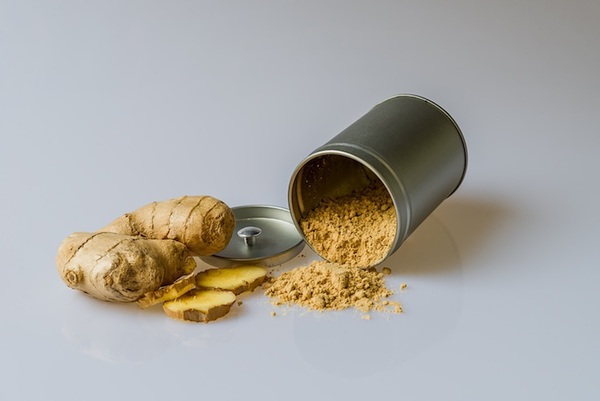
Due to the increase in antimicrobial resistance, alternative medicinal therapies are being explored. Studies have shown that honey and ginger alone have antimicrobial effects on the genera Staphylococcus and Escherichia, including S. epidermidis and E. coli. The authors of this study tested whether a honey-ginger supplement, Jengimiel™, could be used as an antimicrobial agent against S. epidermidis and E. coli K-12.
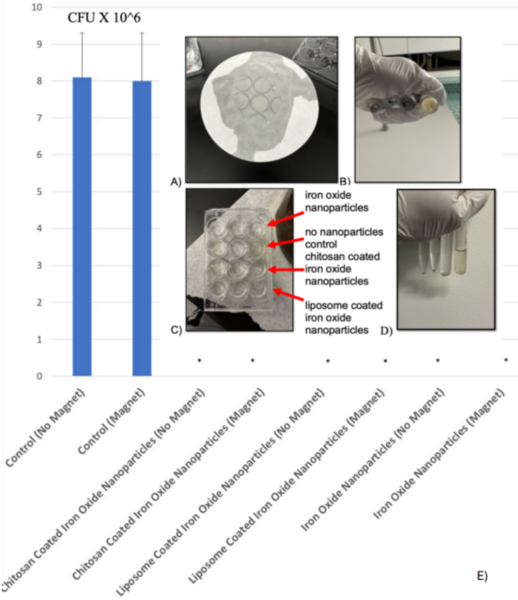
This study explored using iron oxide nanoparticles embedded in liposomes and coated with antibacterial chitosan as a potential alternative to antibiotics for treating bacterial meningitis. The nanoparticles were tested for their ability to cross a model blood–brain barrier and kill E. coli, with and without magnetic guidance.
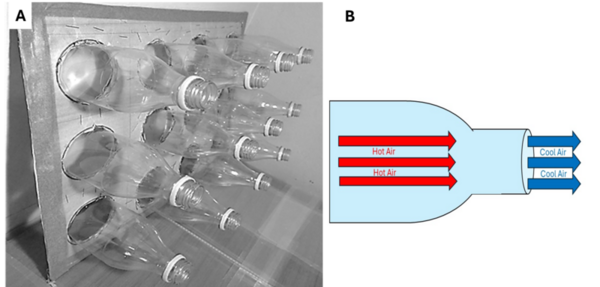
In the study, the authors looked at an environmentally friendly alternative to A/C systems/cooling. They wanted to test the effectiveness of this cooling system called the Eco-Cooler as well as see if they could improve it. They found that the Eco-Cooler had minimal cooling, while their altered Eco-Cooler system had some cooling. This results shows the use of water helps cool the environment a lot more.
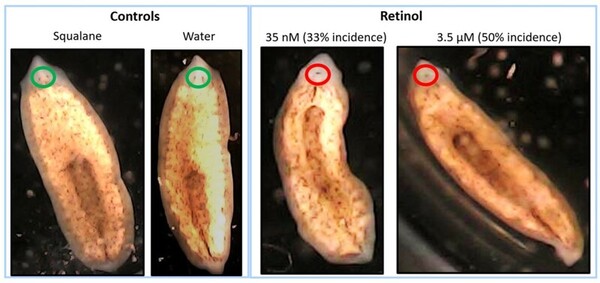
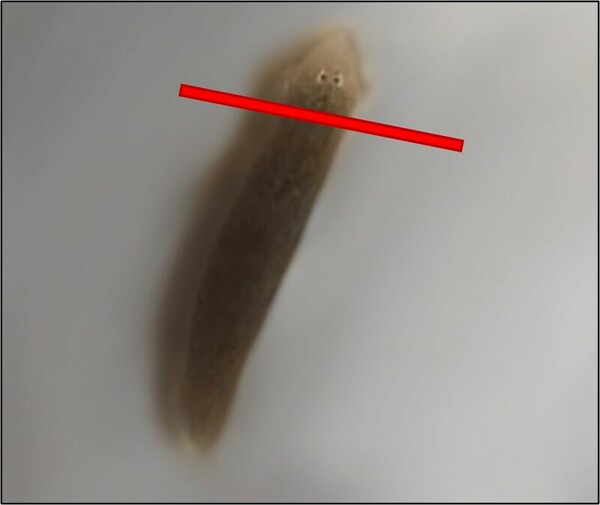
This unique research study evaluated the potential use of the flatworm, brown planaria (Dugesia tigrine), as an alternative model for teratogenicity testing. In this study, we exposed amputated planaria to varying concentrations of a known teratogen, vitamin A (retinol), for approximately 2 weeks, and evaluated multiple parameters including the formation of blastema and eyes. The results from this study demonstrated that high concentrations of retinol caused defects in head and eye formation in regenerating planaria, with similarities to vitamin A related teratogenicity findings in mammals. Based on these results, regenerating brown planaria are a promising alternative model for teratogenicity testing, which can potentially be paradigm shifting as it can reduce cost, time, and pregnant animal use in research.
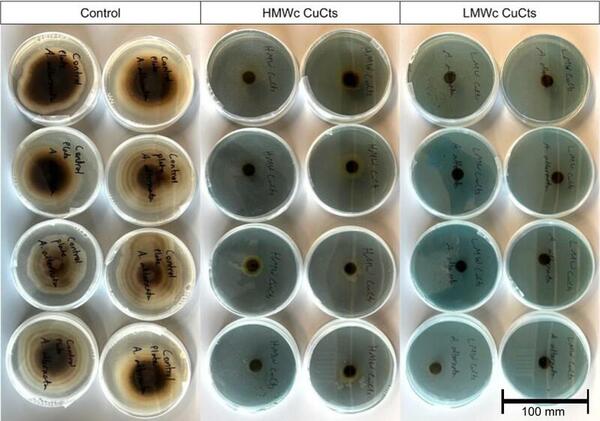
Pathogenic fungi such as Alternaria alternata (A. alternata) can decimate crop yields and severely limit food supplies when left untreated. Copper chitosan (CuCts) is a promising alternative fungicide for developing agricultural areas due to being inexpensive and nontoxic. We hypothesized that LMWc CuCts would exhibit greater fungal inhibition due to the beneficial properties of LMWc.
The consumption of sugar substitute non-nutritive sweeteners (NNS) has dramatically increased in recent years. Despite being advertised as a healthy alternative, NNS have been linked to adverse effects on the body, such as neurodegenerative diseases (NDs). In NDs, neural stem cell function is impaired, which inhibits neuron regeneration. The purpose of this study was to determine if the NNS acesulfame potassium (Ace-K) and neotame affect planaria neuron regeneration rates. Since human neurons may regenerate, planaria, organisms with extensive regenerative capabilities due to stem cells called neoblasts, were used as the model organism. The heads of planaria exposed to either a control or non-toxic concentrations of NNS were amputated. The posterior regions of the planaria were observed every 24 hours to see the following regeneration stages: (1) wound healing, (2) blastema development, (3) growth, and (4) differentiation. The authors hypothesized that exposure to the NNS would slow planaria regeneration rates. The time it took for the planaria in the Ace-K group and the neotame group to reach the second, third, and fourth regeneration stage was significantly greater than that of the control. The results of this study indicated that exposure to the NNS significantly slowed regeneration rates in planaria. This suggests that the NNS may adversely impact neoblast proliferation rates in planaria, implying that it could impair neural stem cell proliferation in humans, which plays a role in NDs. This study may provide insight into the connection between NNS, human neuron regeneration, and NDs.
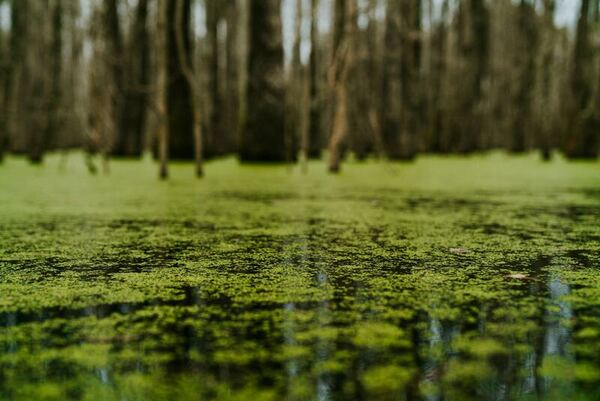
Modern day fossil fuels are prone to polluting our environment, which can provide major habitat loss to many animals in our ecosystems. Algae-based biofuels have become an increasingly popular alternative to fossil fuels because of their sustainability, effectiveness, and environmentally-friendly nature. To encourage algae growth and solidify its role as an emerging biofuel, we tested basic (in terms of pH) solutions on pond water to determine which solution is most efficient in inducing the growth of algae.
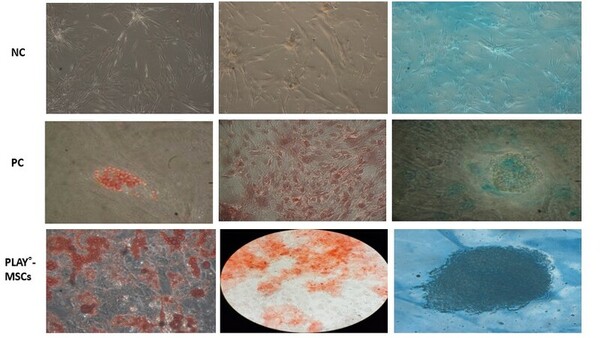
FBS is an important component in in vitro cell culture work, helping to provide needed nutrients to cells to grow. The authors look at the ability of an alternative to FBS to support cell growth in culture.
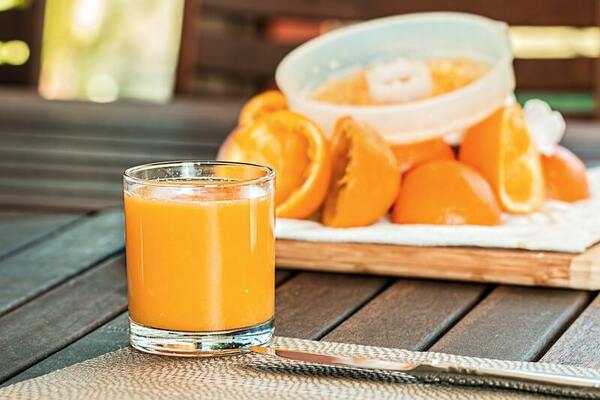
The goal of this project was to see if the addition of wild orange essential oil to freshly squeezed orange juice would help to slow down the decay of ascorbic acid when exposed to various temperatures, allowing vital nutrients to be maintained and providing a natural alternative to the chemical additives in use in industry today. The authors hypothesized that the addition of wild orange essential oil to freshly squeezed orange juice would slow down the rate of oxidation when exposed to various temperatures, reducing ascorbic acid decay. On average, wild orange EO slowed down ascorbic acid decay in freshly squeezed orange juice by 15% at the three highest temperatures tested.