Browse Articles

Exogenous foliar thiamine application as an alternative strategy to mitigate lead stress in Lepidium sativum

Chen et al. | Oct 28, 2026

Exogenous foliar thiamine application as an alternative strategy to mitigate lead stress in <i>Lepidium sativum</i>

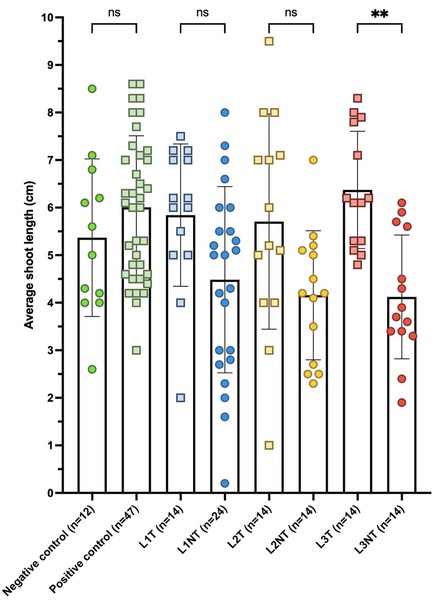
This study investigated whether thiamine (vitamin B1) could mitigate the harmful effects of lead contamination on plant growth. Using garden cress (Lepidium sativum), we found that lead exposure reduced plant growth and biomass, while thiamine treatment partially alleviated these effects, improving shoot length and overall plant length. These findings highlight the potential of thiamine as a simple strategy to improve plant resilience to heavy metal stress, with implications for agricultural productivity and food security.

Read More...
Glyphosate Levels in American Food Products Meet Government Safety Levels Yet Exceed Concentrations Associated with Negative Effects

Lee et al. | Mar 25, 2019

Glyphosate Levels in American Food Products Meet Government Safety Levels Yet Exceed Concentrations Associated with Negative Effects

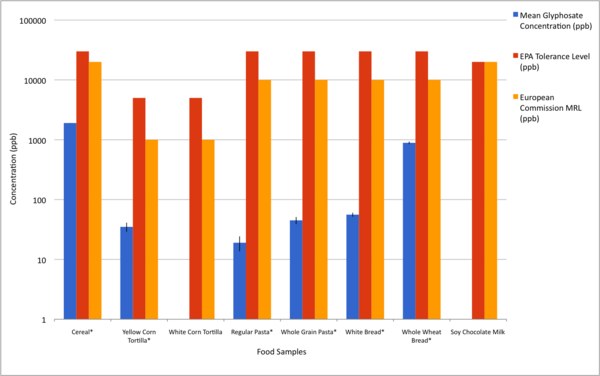
Glyphosate is the active ingredient in the herbicide Roundup, frequently used in the agricultural industry worldwide. Current literature reveals contradictory findings regarding the effects of glyphosate on vertebrates, leading to concerns about human consumption and differing views on safety levels. Here, authors sought to measure glyphosate levels in common commercially available food products. While some product levels exceed the thresholds at which negative effects have been observed, none exceed government limits.

Read More...

The effect of molecular weights of chitosan on the synthesis and antifungal effect of copper chitosan

Byakod et al. | Apr 07, 2024

The effect of molecular weights of chitosan on the synthesis and antifungal effect of copper chitosan

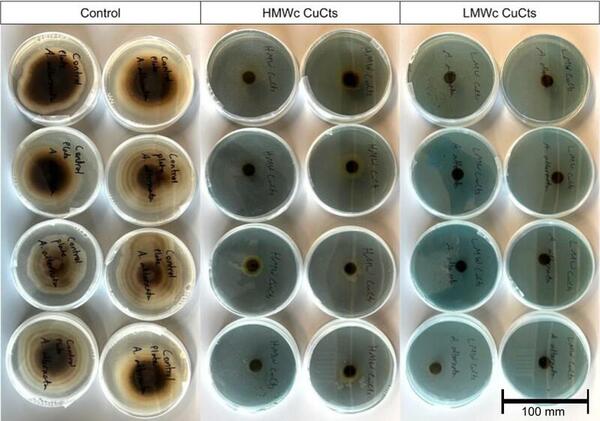
Pathogenic fungi such as Alternaria alternata (A. alternata) can decimate crop yields and severely limit food supplies when left untreated. Copper chitosan (CuCts) is a promising alternative fungicide for developing agricultural areas due to being inexpensive and nontoxic. We hypothesized that LMWc CuCts would exhibit greater fungal inhibition due to the beneficial properties of LMWc.

Read More...

Presence of Vegetation in Relation to Slope in Yosemite Valley, California

Saltzgaber et al. | Sep 11, 2021

Presence of Vegetation in Relation to Slope in Yosemite Valley, California

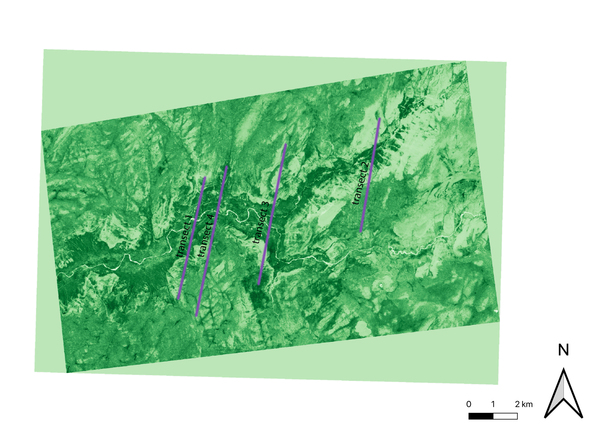
This study examined the relationship between the slope of a terrain and vegetation, measured by the normalized difference vegetation index (NDVI). It was hypothesized that lower slope ranges would be more supportive of vegetation growth than higher slope ranges. Analysis showed that no slope (even as extreme as 85–90°) prohibits the growth of vegetation completely; even the steepest slopes examined contain plant life. Knowing that steep slopes can still support plant life, agriculturalists can begin to explore and start planting additional crops and plants at these extreme slopes.

Read More...

An exploration of western mosquitofish as the animal component in an aquaponic farming system

Medina et al. | Dec 03, 2024

An exploration of western mosquitofish as the animal component in an aquaponic farming system
Image credit: The authors

Aquaponics (the combination of aquatic plant farming with fish production) is an innovative farming practice, but the fish that are typically used, like tilapia, are expensive and space-consuming to cultivate. Medina and Alvarez explore other options test if mosquitofish are a viable option in the aquaponic cultivation of herbs and microgreens.

Read More...

Can essential oils be allelopathic to Lolium multiforum without harming Solanum lycopersicum?

Madan et al. | Nov 13, 2021

 Can essential oils be allelopathic to <em>Lolium multiforum</em> without harming <em>Solanum lycopersicum</em>?

Seeking to investigate eco-friendly biological methods to control weeds and enhance food crop yields, here the authors considered the effects of three essential oils on seed germination and radicle length of both a weed and a common crop. They found that treatment with turmeric oil had phytotoxic potential, leading to a reduction in both seed germination and radicle length of the weed. In contrast, ginger oil possessed allelopathic properties towards both. The authors suggest that essential oils could be used as eco-friendly bio-herbicides.

Read More...

An in silico molecular analysis of the antifungal properties of Ageratum conyzoides

Sathish et al. | Apr 28, 2026

An <i>in silico</i> molecular analysis of the antifungal properties of <i>Ageratum conyzoides</i>
Image credit: Bánh Bao Chiên

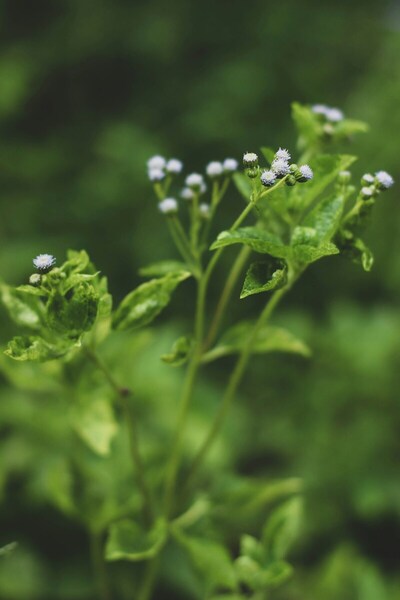
This study explores the interaction between precocene II and trichocethecene 3-O-acetyltransferase using molecular docking simulations. Computational analysis identified several potential binding sites on the enzyme surface and predicted favorable ligand-protein interactions involving key residues. These findings provide insight into how precocene II may interact with this enzyme and demonstrate the use of computational approaches to explore potential antifungal mechanisms.

Read More...