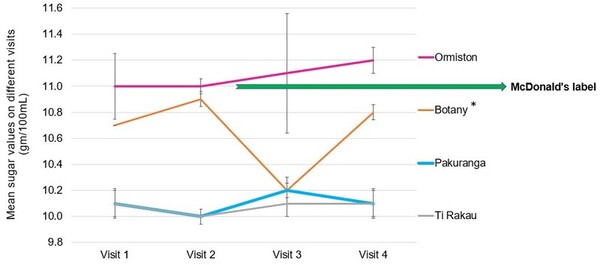
The authors looked at public knowledge regarding suggested daily limits for sugar intake and then looked at how sugar levels vary in the same drink obtained from different sources and across different days.
Read More...Knowledge gaps for recommended daily sugar intake and variations in McDonald’s Coca-Cola sugar levels
The authors looked at public knowledge regarding suggested daily limits for sugar intake and then looked at how sugar levels vary in the same drink obtained from different sources and across different days.
Read More...Specialized chicken toys are effective in relieving stagnant egg production for stressed layer hens

The authors looked at egg laying rates in chickens at two different small farms. They found when the chickens were provided homemade, colorful toys in their environment that their egg production rates increased.
Read More...Increasing CO2 levels in water decrease the hatching success of brine shrimp
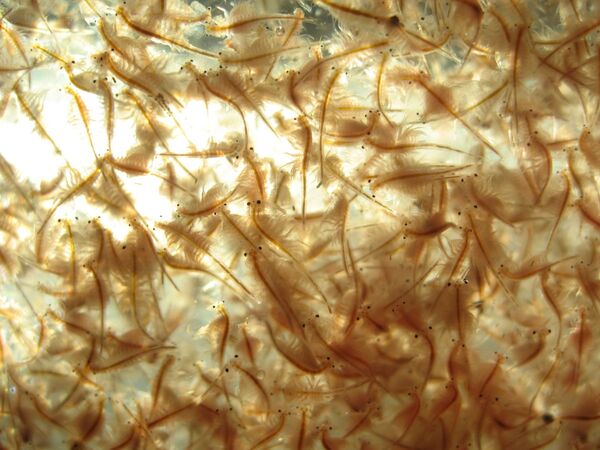
As atmospheric carbon dioxide (CO2) levels rise, ocean acidification poses a growing threat to marine ecosystems. To better understand these changes, this study investigates how varying CO2 levels influence the growth of brine shrimp. The findings offer important insights into the resilience of aquatic life and the broader implications of environmental change.
Read More...Developing a wearable, skin-based triboelectric nanogenerator
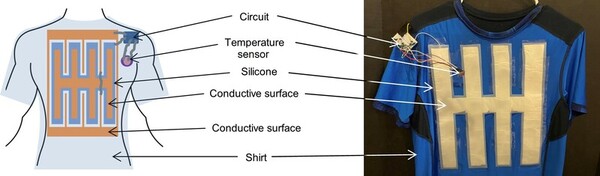
The authors designed a system that runs off of body heat to track body temperature that could help prevent injuries that result from elevated body temperature.
Read More...Protective effect of bromelain and pineapple extracts on UV-induced damage in human skin cells
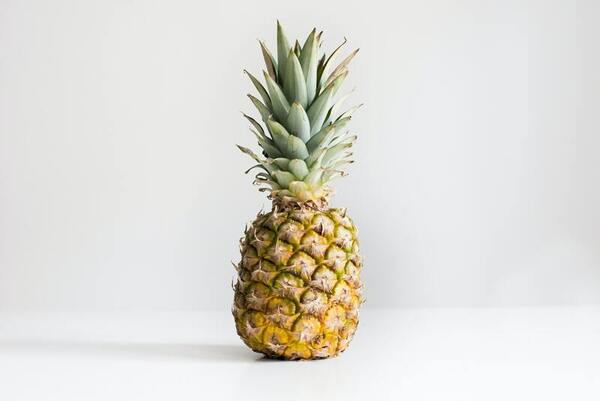
In this study, the authors tested whether the compound bromelain extracted from pineapples could protect skin cells from UV damage.
Read More...Sri Lankan Americans’ views on U.S. racial issues are influenced by pre-migrant ethnic prejudice and identity
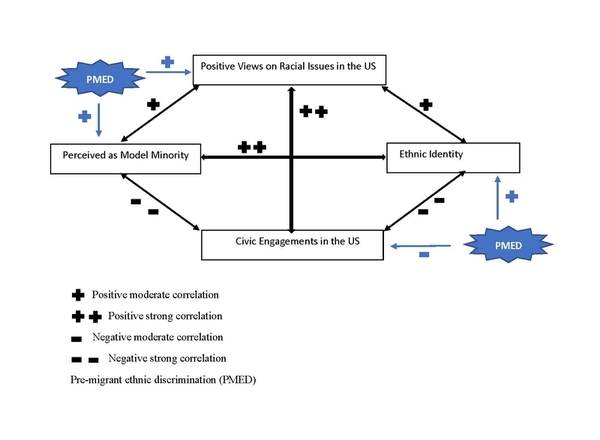
In this study, the authors examined how Sri Lankan Americans (SLAs) view racial issues in the U.S. The main hypothesis is that SLAs, as a minority in the U.S., are supportive of the Black Lives Matter movement and its political goal, challenging the common notion that SLAs are anti-Black. The study found that a majority of SLAs believe the U.S. has systemic racism, favor BLM, and favor affirmative action. IT also found that Tamil SLAs have more favorable views of BLM and affirmative action than Sinhalese SLAs.
Read More...Evaluation of Microplastics in Japanese Fish Using Visual and Chemical Dissections
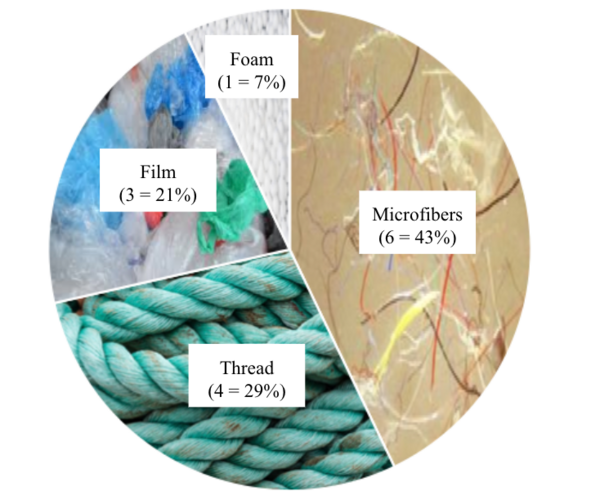
Does the overuse of plastic in Japan poses an ecological risk to marine species and their consumers? Using visual and chemical dissection, all fish in this study were found to have microplastics present in their gastrointestinal tract, including two species that are typically eaten whole in Japan. Overall, these results are concerning as previous studies have found that microplastics can carry persistent organic pollutants. It is presumed that the increasing consumption of microplastics will have negative implications on organ systems such as the liver, gut, and hormones.
Read More...Bacterial Load Consistency Among Three Independent Water Distribution Systems
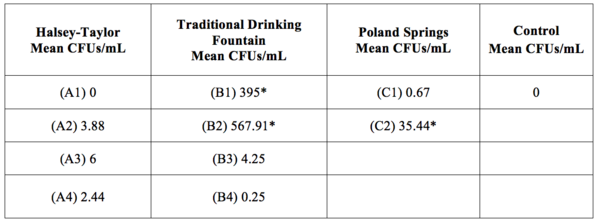
Clean drinking water is an essential component to maintaining public health. The authors of this study tested the bacterial load of water from three different disinfection and filtration systems in order to determine which system might be superior.
Read More...Development of a pH-sensing hydrogel wound dressing for early infection monitoring for all skin color types
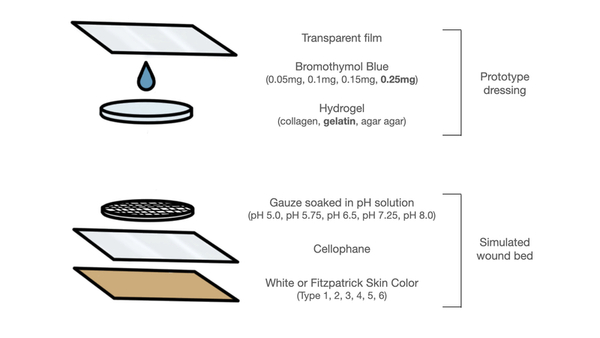
This paper develops a gelatin-based hydrogel dressing infused with bromothymol blue dye that visibly changes from yellow to blue as wound pH rises from 5.0 to 8.0, signaling possible infection. The color shift was visually detectable and statistically significant across all six Fitzpatrick skin tones, suggesting a low-cost ($0.40/dressing) tool for early infection monitoring in settings with limited access to care.
Read More...Iron oxide nanoparticles coated with liposomes and chitosan pass a model blood–brain barrier to kill bacteria
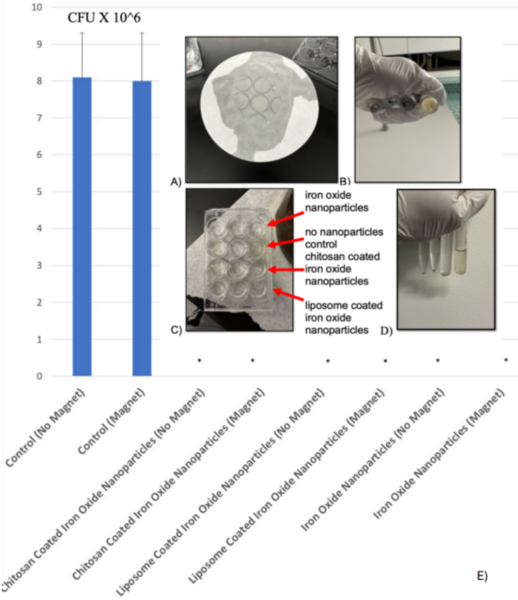
This study explored using iron oxide nanoparticles embedded in liposomes and coated with antibacterial chitosan as a potential alternative to antibiotics for treating bacterial meningitis. The nanoparticles were tested for their ability to cross a model blood–brain barrier and kill E. coli, with and without magnetic guidance.
Read More...