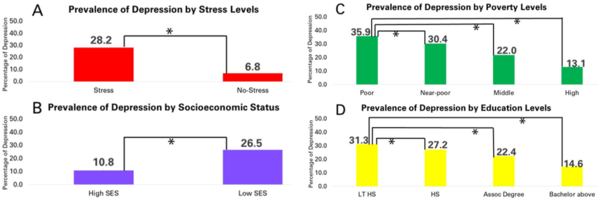
The authors use the Census Household Pulse Survey issued by the US Census Bureau to examine the prevalence of stress and depression among people across socioeconomic statuses.
Read More...Stress and depression among individuals with low socioeconomic status during economic inflation
The authors use the Census Household Pulse Survey issued by the US Census Bureau to examine the prevalence of stress and depression among people across socioeconomic statuses.
Read More...The Effect of School Climate and Parenting Style on Academic Achievement

Research suggests that less effective styles of parenting tend to negatively affect grades, and more effective styles tend to produce higher grades. In this study, the authors verify previous research and confirm such relationships in a sample of African American students in a college preparatory program. By obtaining students’ perception of their school’s climate and parent’s parenting styles by various methods, the authors determined correlated these perceptions to student grades. They found no significant relationship between school climate and academic achievement.
Read More...Cardiovascular Disease Prediction Using Supervised Ensemble Machine Learning and Shapley Values
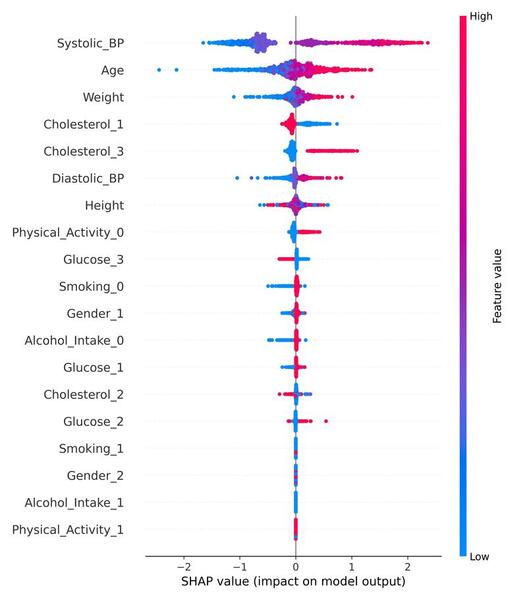
The authors test the effectiveness of machine learning to predict onset of cardiovascular disease.
Read More...Distributional effects of residential energy tax credits: A machine learning approach
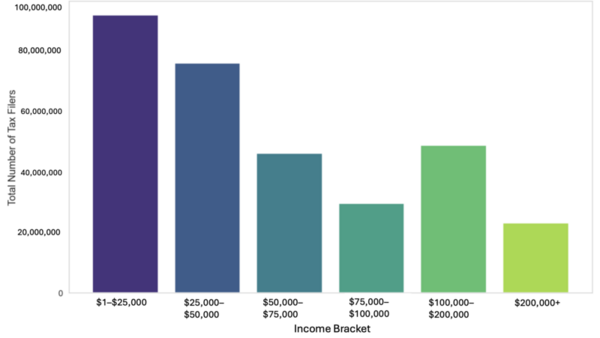
Tax incentives for sustainable technology are a key part of the push for a greener future. However, these incentives may not reach all income strata equally. Using a machine learning approach, this study analyzed the distributional effects of residential energy tax credits across different income levels in the United States.
Read More...Improper storage of sunscreen might decrease effectiveness
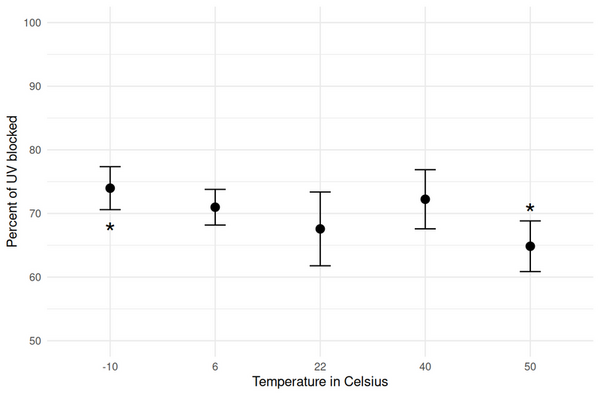
This study explored sunscreen storage temperature affects the efficacy of sunscreen to block UV light.
Read More...Enhanced brain arteries and aneurysms analysis using a CAE-CFD approach

Here, recognizing that brain aneurysms pose a severe threat, often misdiagnosed and leading to high mortality, particularly in younger individuals, the authors explored a novel computer-aided engineering approach. They used magnetic resonance angiography images and computational fluid dynamics, to improve aneurysm detection and risk assessment, aiming for more personalized treatment.
Read More...Exploring the effects of diverse historical stock price data on the accuracy of stock price prediction models
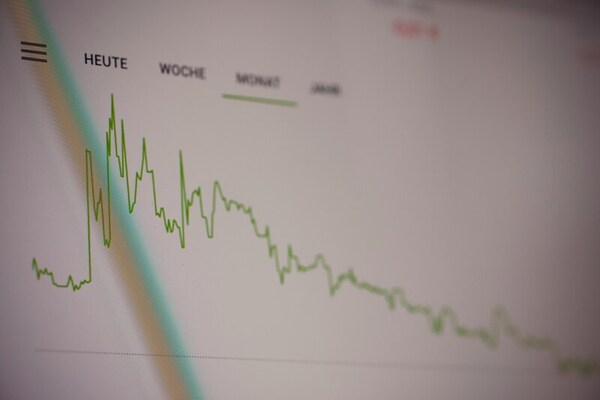
Algorithmic trading has been increasingly used by Americans. In this work, we tested whether including the opening, closing, and highest prices in three supervised learning models affected their performance. Indeed, we found that including all three prices decreased the error of the prediction significantly.
Read More...Aberrant response to dexamethasone suppression test associated with inflammatory response in MDD patients
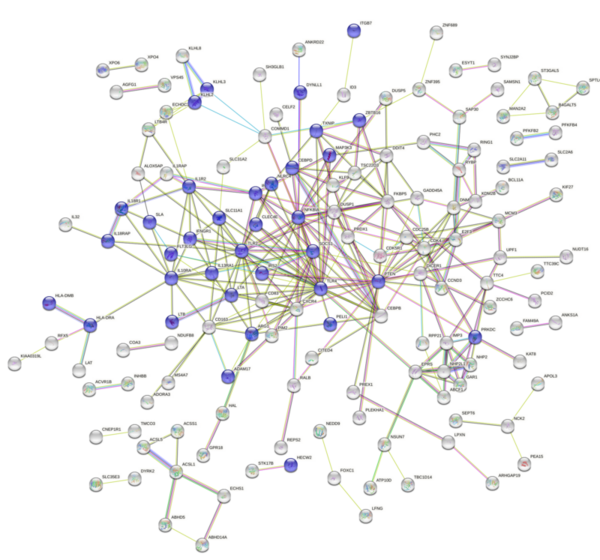
Major depressive disorder (MDD) is a prevalent mood disorder. The direct causes and biological mechanisms of depression still elude understanding, though genetic factors have been implicated. This study looked to identify the mechanism behind the aberrant response to the dexamethasone suppression test (DST) displayed by MDD patients, in which they display a lack of cortisol suppression. Analysis revealed several pro-inflammatory genes that were significant and differentially expressed between affected and non-affected groups in response to the DST. Looking at ways to decrease the inflammatory response could have implications for treatment and may explain why some people treated for depression still display symptoms or may lead researchers to different classes of drugs for treatment.
Read More...A novel CNN-based machine learning approach to identify skin cancers
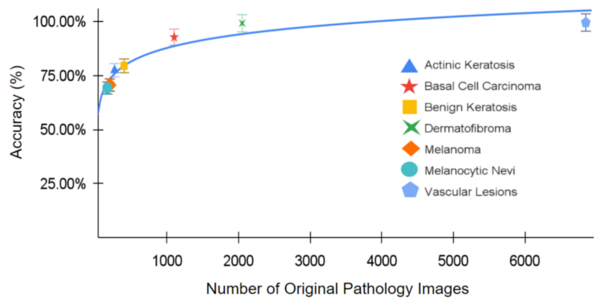
In this study, the authors developed and assessed the accuracy of a machine learning algorithm to identify skin cancers using images of biopsies.
Read More...A novel filtration model for microplastics using natural oils and its application to the environment
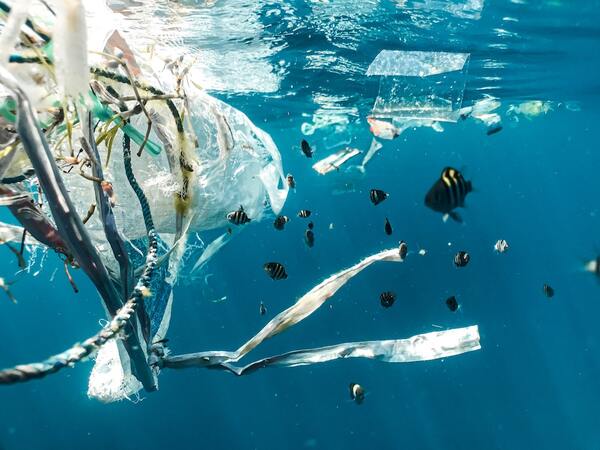
Recognizing the need for a method to filter microplastics from polluted water the authors sought to use nonpolar solvents, palm oil and palm kernel oil, to filter microplastics out of model seawater. By relying on the separation of polar and nonpolar solvents followed by freezing the nonpolar solvent, they reported that microplastics could be extracted with percentages ranging from 96.2% to 94.2%. They also provided an estimation to use this method as part of container ships to clean the Pacific Ocean of microplastics.
Read More...