Browse Articles

A land use regression model to predict emissions from oil and gas production using machine learning

Cao et al. | Mar 24, 2023

A land use regression model to predict emissions from oil and gas production using machine learning

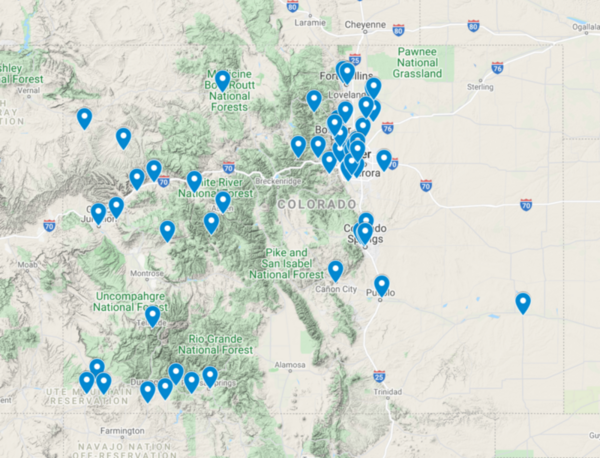
Emissions from oil and natural gas (O&G) wells such as nitrogen dioxide (NO2), volatile organic compounds (VOCs), and ozone (O3) can severely impact the health of communities located near wells. In this study, we used O&G activity and wind-carried emissions to quantify the extent to which O&G wells affect the air quality of nearby communities, revealing that NO2, NOx, and NO are correlated to O&G activity. We then developed a novel land use regression (LUR) model using machine learning based on O&G prevalence to predict emissions.

Read More...


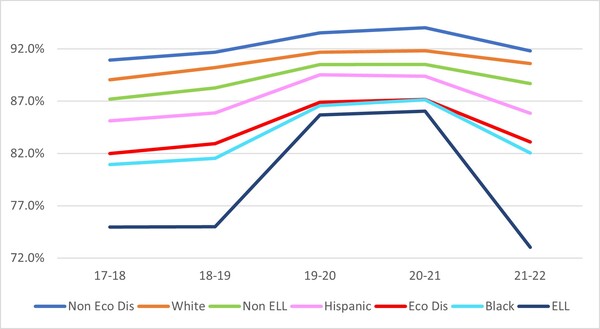
Propagation of representation bias in machine learning

Dass-Vattam et al. | Jun 10, 2021

Propagation of representation bias in machine learning

Using facial recognition as a use-case scenario, we attempt to identify sources of bias in a model developed using transfer learning. To achieve this task, we developed a model based on a pre-trained facial recognition model, and scrutinized the accuracy of the model’s image classification against factors such as age, gender, and race to observe whether or not the model performed better on some demographic groups than others. By identifying the bias and finding potential sources of bias, his work contributes a unique technical perspective from the view of a small scale developer to emerging discussions of accountability and transparency in AI.

Read More...

Luteolin's positive inhibition of melanoma cell lines.

Su et al. | Nov 17, 2020

Luteolin's positive inhibition of melanoma cell lines.

Luteolin (3′,4′,5,7-tetrahydroxyflavone) is a flavonoid that occurs in fruits, vegetables, and herbs. Research suggests that luteolin is effective against various forms of cancer by triggering apoptosis pathways. This experiment analyzes the effects of luteolin on the cell viability of malignant melanoma cells using an in vitro experiment to research alternative melanoma treatments and hopefully to help further cancer research as a whole.

Read More...

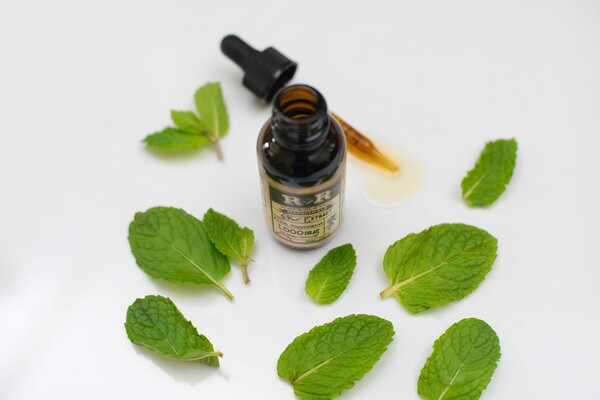
Herbal Extracts Alter Amyloid Beta Levels in SH-SY5Y Neuroblastoma Cells

Xu et al. | Feb 25, 2020

Herbal Extracts Alter Amyloid Beta Levels in SH-SY5Y Neuroblastoma Cells

Alzheimer’s disease (AD) is a type of dementia that affects more than 5.5 million Americans, and there are no approved treatments that can delay the advancement of the disease. In this work, Xu and Mitchell test the effects of various herbal extracts (bugleweed, hops, sassafras, and white camphor) on Aβ1-40 peptide levels in human neuroblastoma cells. Their results suggest that bugleweed may have the potential to reduce Aβ1-40 levels through its anti-inflammatory properties.

Read More...

Motion tracking and analysis of spray water droplets studied by high-speed photography using an iPhone X

Geng et al. | Sep 11, 2021

Motion tracking and analysis of spray water droplets  studied by high-speed photography using an iPhone X

Smartphones are not only becoming an inseparable part of our daily lives, but also a low-cost, powerful optical imaging tool for more and more scientific research applications. In this work, smartphones were used as a low-cost, high-speed, photographic alternative to expensive equipment, such as those typically found in scientific research labs, to accurately perform motion tracking and analysis of fast-moving objects. By analyzing consecutive images, the speed and flight trajectory of water droplets in the air were obtained, thereby enabling us to estimate the area of the water droplets landing on the ground.

Read More...

Presence of Vegetation in Relation to Slope in Yosemite Valley, California

Saltzgaber et al. | Sep 11, 2021

Presence of Vegetation in Relation to Slope in Yosemite Valley, California

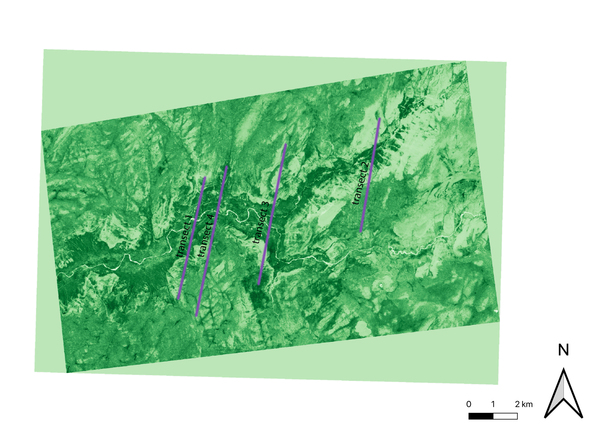
This study examined the relationship between the slope of a terrain and vegetation, measured by the normalized difference vegetation index (NDVI). It was hypothesized that lower slope ranges would be more supportive of vegetation growth than higher slope ranges. Analysis showed that no slope (even as extreme as 85–90°) prohibits the growth of vegetation completely; even the steepest slopes examined contain plant life. Knowing that steep slopes can still support plant life, agriculturalists can begin to explore and start planting additional crops and plants at these extreme slopes.

Read More...