Browse Articles

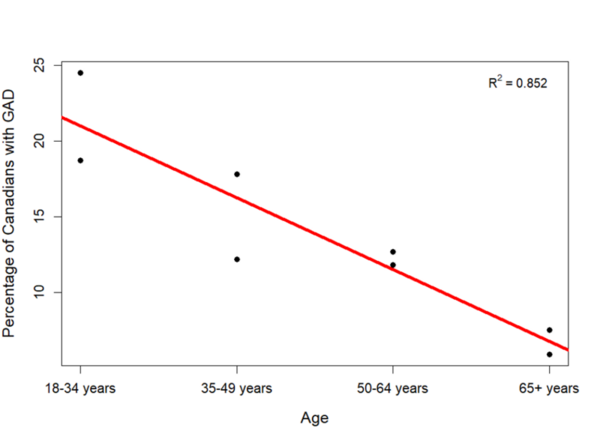
The effects of age on quality of mental health during the COVID-19 pandemic

Bui et al. | Jul 15, 2024

The effects of age on quality of mental health during the COVID-19 pandemic

The impact of age on mental health is a crucial yet understudied aspect of public health. While mental health is gaining recognition as a vital component of overall well-being, its correlation with age remains largely unexplored. In Canada, where the median age has risen significantly over the past half-century, understanding this relationship becomes increasingly pertinent. Researchers hypothesized that older adults would exhibit lower rates of mental health disorders and report better perceived mental health due to increased emotional stability and maturity.

Read More...
Unveiling the wound healing potential of umbilical cord derived conditioned medium: an in vitro study

Vasal et al. | Jun 17, 2024

Unveiling the wound healing potential of umbilical cord derived conditioned medium: an <em>in vitro</em> study

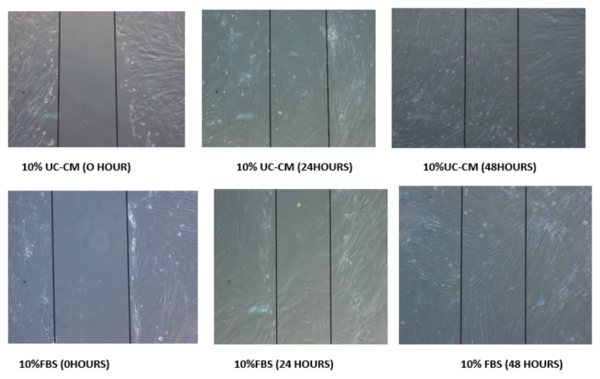
Chronic wounds pose a serious threat to an individual’s health and quality of life. However, due to the severity and morbidity of such wounds, many pre-existing treatments are inefficient or costly. While the use of skin grafts and other such biological constructs in chronic wound healing has already been characterized, the use of umbilical cord tissue has only recently garnered interest, despite the cytokine-rich composition of Wharton’s jelly (cord component). Our current study aimed to characterize the use of an umbilical cord derived conditioned medium (UC-CM) to treat chronic wounds.

Read More...

Interaction of light with water under clear and algal bloom conditions

Ramesh et al. | Feb 01, 2024

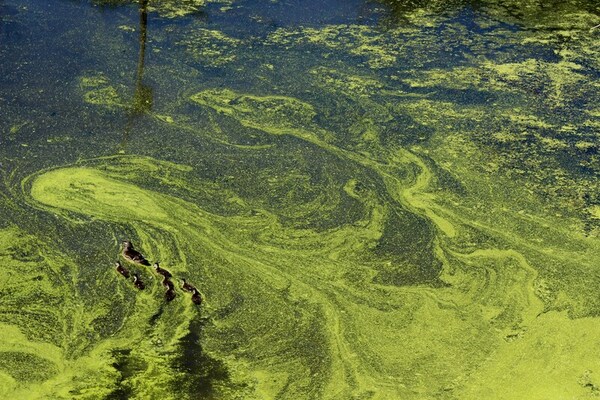
Interaction of light with water under clear and algal bloom conditions
Image credit: Liz Harrell

Here, recognizing the potential harmful effects of algal blooms, the authors used satellite images to detect algal blooms in water bodies in Wyoming based on their reflectance of near infrared light. They found that remote monitoring in this way may provide a useful tool in providing early warning and advisories to people who may live in close proximity.

Read More...

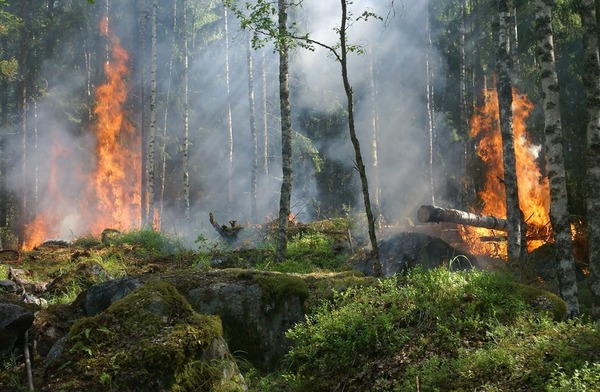
Utilizing meteorological data and machine learning to predict and reduce the spread of California wildfires

Bilwar et al. | Jan 15, 2024

Utilizing meteorological data and machine learning to predict and reduce the spread of California wildfires
Image credit: Pixabay

This study hypothesized that a machine learning model could accurately predict the severity of California wildfires and determine the most influential meteorological factors. It utilized a custom dataset with information from the World Weather Online API and a Kaggle dataset of wildfires in California from 2013-2020. The developed algorithms classified fires into seven categories with promising accuracy (around 55 percent). They found that higher temperatures, lower humidity, lower dew point, higher wind gusts, and higher wind speeds are the most significant contributors to the spread of a wildfire. This tool could vastly improve the efficiency and preparedness of firefighters as they deal with wildfires.

Read More...

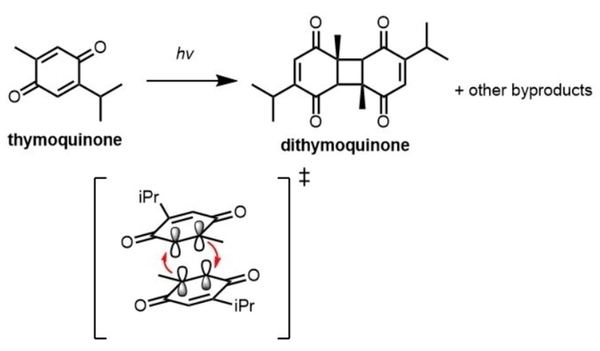
Quantitative NMR spectroscopy reveals solvent effects in the photochemical degradation of thymoquinone

Mandava et al. | Dec 16, 2023

Quantitative NMR spectroscopy reveals solvent effects in the photochemical degradation of thymoquinone

Thymoquinone is a compound of great therapeutic potential and scientific interest. However, its clinical administration and synthetic modifications are greatly limited by its instability in the presence of light. This study employed quantitative 1H nuclear magnetic resonance (NMR) spectroscopy to identify the effect of solvation on the degradation of thymoquinone under ultraviolet light (UV). It found that the rate of degradation is highly solvent dependent occurs maximally in chloroform.

Read More...