Browse Articles

Identification of microwave-related changes in tissue using an ultrasound scan

Shariff et al. | Apr 24, 2024

Identification of microwave-related changes in tissue using an ultrasound scan
Image credit: Shariff and Shariff 2024

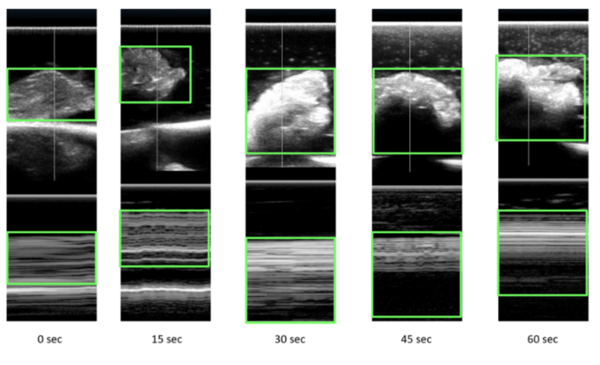
Microwave energy (ME) is used in the medical field to denature protein structures, resulting in inactivation or destruction of abnormal cells. Identifying the extent of destruction of abnormal tissue (cancer tissue or tissue with abnormal electrical activity) is essential for accomplishing successful therapy and reducing collateral damage. Our study was an ex vivo assessment of the changes on ultrasound scans (US) in chicken tissue exposed to ME. We hypothesized that any changes in tissue structures would be recognized on the reflected ultrasound waves. Ultrasound scans of tissues change with exposure to microwaves with increasing reflection of ultrasound waves. With exposure to microwaves, surface level brightness on the ultrasound scans increases statistically significantly. The findings could be used in heat related (ME and radiofrequency) procedures where clinicians would be able to actively assess lesions in real-time. Further studies are required to assess changes in tissue during active exposure to different types of energies.

Read More...
Prediction of molecular energy using Coulomb matrix and Graph Neural Network

Hazra et al. | Feb 01, 2022

Prediction of molecular energy using Coulomb matrix and Graph Neural Network

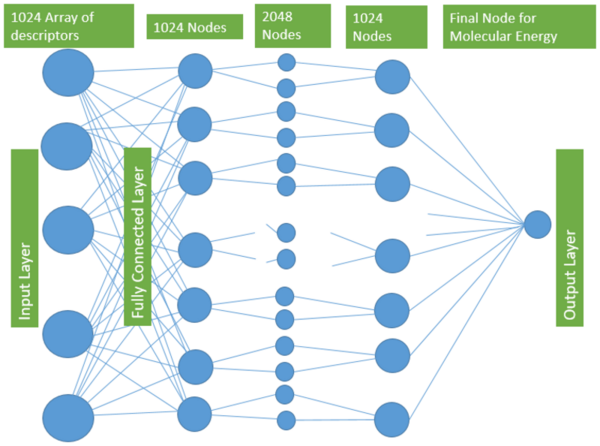
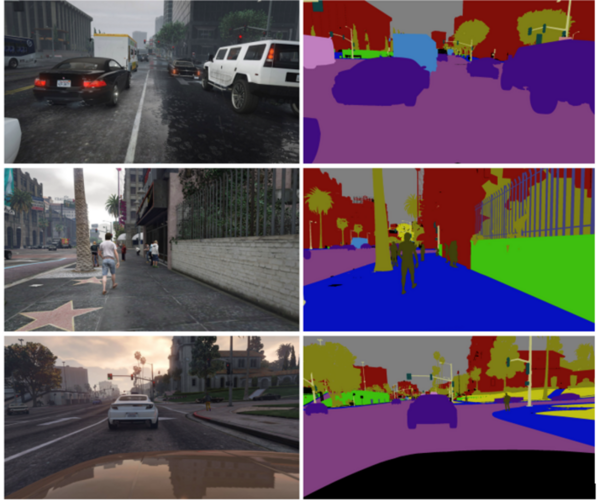
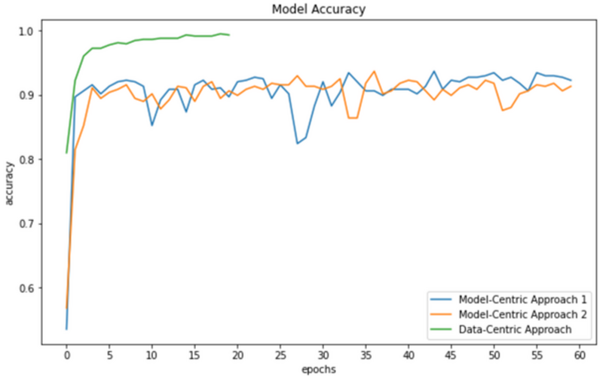
With molecular energy being an integral element to the study of molecules and molecular interactions, computational methods to determine molecular energy are used for the preservation of time and resources. However, these computational methods have high demand for computer resources, limiting their widespread feasibility. The authors of this study employed machine learning to address this disadvantage, utilizing neural networks trained on different representations of molecules to predict molecular properties without the requirement of computationally-intensive processing. In their findings, the authors determined the Feedforward Neural Network, trained by two separate models, as capable of predicting molecular energy with limited prediction error.

Read More...

How Ethanol Concentration Affects Catalase Catalysis of Hydrogen Peroxide

Liu et al. | Nov 15, 2021

How Ethanol Concentration Affects Catalase Catalysis of Hydrogen Peroxide

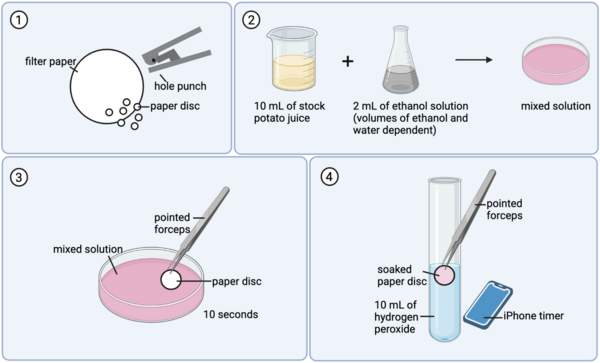
Catalase is a critical enzyme in the human body because it is capable of converting potentially dangerous hydrogen peroxide into water and oxygen. This work asks whether ethanol affects catalase activity, as alcohol consumption has been often linked to hepatitis occurring in the liver, where catalase level is especially high, and ethanol is known to be capable of denaturing proteins. Testing different concentrations of ethanol found that higher concentrations reduced the activity of catalase. This work has important implications on the negative effects of ethanol on metabolism, in which catalase plays an important role, and protein function more broadly.

Read More...

String analysis of exon 10 of the CFTR gene and the use of Bioinformatics in determination of the most accurate DNA indicator for CF prediction

Carroll et al. | Jul 12, 2020

String analysis of exon 10 of the CFTR gene and the use of Bioinformatics in determination of the most accurate DNA indicator for CF prediction

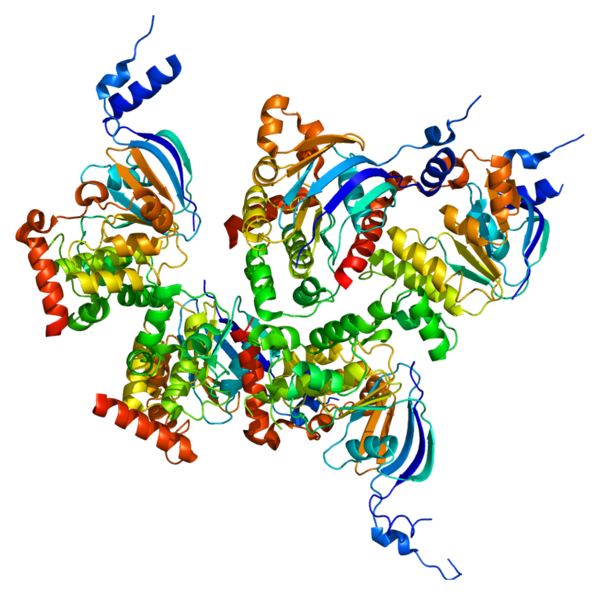
Cystic fibrosis is a genetic disease caused by mutations in the CFTR gene. In this paper, the authors attempt to identify variations in stretches of up to 8 nucleotides in the protein-coding portions of the CFTR gene that are associated with disease development. This would allow screening of newborns or even fetuses in utero to determine the likelihood they develop cystic fibrosis.

Read More...

A Temperature-Based Comparison of Compounds Found in Bao Chong Tea, Green Tea, and Black Tea

Lin et al. | May 14, 2019

A Temperature-Based Comparison of Compounds Found in Bao Chong Tea, Green Tea, and Black Tea

While tea has a complex history, recently the health benefits of this beverage have come into focus. In this study, researchers sought to compare the levels of caffeine, catechins and L-theanine between different types of tea using NMR spectroscopy. Further, the impact of brewing temperature on the release of these compounds was also assessed. Of those tested, Bao Chong tea had the highest levels of these compounds. Brewing temperatures between 45ºC and 75ºC were found to be optimal for compound release. These results can help consumers make informed choices about their tea preparation and intake.

Read More...

Modeling Energy Produced by Solar Panels

Meister et al. | Jan 13, 2018

Modeling Energy Produced by Solar Panels

In this study, the authors test the effect that the tilt angle of a solar panel has on the amount of energy it generates. This investigation highlights a simple way that people can harvest renewable energy more efficiently and effectively.

Read More...

Does Gaming Improve Cognitive Skills?

Chakravarti et al. | Jan 26, 2015

Does Gaming Improve Cognitive Skills?

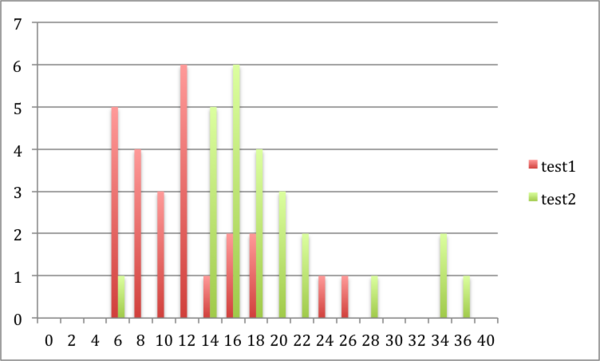
Playing video games may improve mental performance by encouraging practicing logical reasoning skills. Students who played video games in between two tests tended to perform better on the second test than those that did not play video games.

Read More...