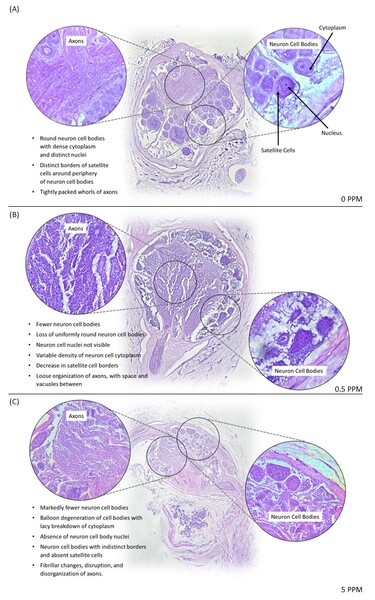
In this study, the authors test whether excess copper exposure has neurobehavioral effects on Hirudo verbana leeches.
Read More...Browse Articles
Assessing CDK5 as a Nanomotor for Chemotactic Drug Delivery
Enzyme chemotaxis is a thermodynamic phenomenon in which enzymes move along a substrate concentration gradient towards regions with higher substrate concentrations and can be used to steer nanovehicles towards targets along natural substrate concentrations. In patients with Alzheimer’s disease, a gradient of tau protein forms in the bloodstream. Tau protein is a substrate of the enzyme CDK5, which catalyzes the phosphorylation of tau protein and can travel using chemotaxis along tau protein gradients to increasing concentrations of tau and amyloid-beta proteins. The authors hypothesized that CDK5 would be able to overcome these barriers of Brownian motion and developed a quantitative model using Michaelis-Menten kinetics to define the necessary parameters to confirm and characterize CDK5’s chemotactic behavior to establish its utility in drug delivery and other applications.
Read More...Phospholipase A2 increases the sensitivity of doxorubicin induced cell death in 3D breast cancer cell models
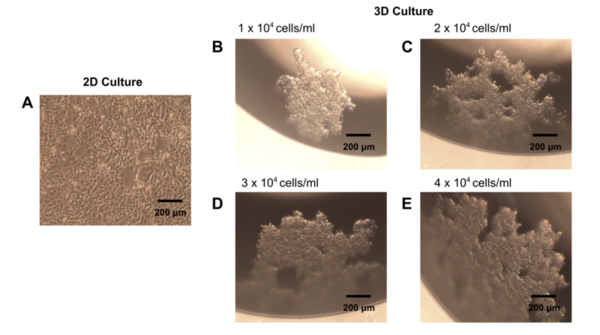
Inefficient penetration of cancer drugs into the interior of the three-dimensional (3D) tumor tissue limits drugs' delivery. The authors hypothesized that the addition of phospholipase A2 (PLA2) would increase the permeability of the drug doxorubicin for efficient drug penetration. They found that 1 mM PLA2 had the highest permeability. Increased efficiency in drug delivery would allow lower concentrations of drugs to be used, minimizing damage to normal cells.
Read More...Effects of Quorum Sensing and Media on the Bioluminescent Bacteria Vibrio fischeri
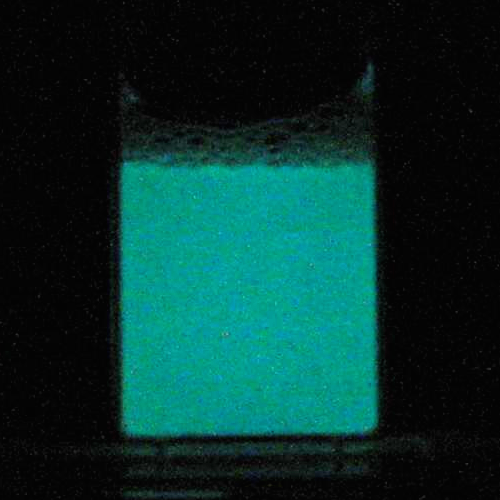
Vibrio fischeri is an amazing species of bacteria that lives symbiotically in the light organ of luminescent bobtail squid. In this study, authors study the strength and optimal conditions for V. fischeri light production, and assess whether this luminescence could be a natural light source comparable to manmade lighting.
Read More...Investigating Lymphocytic Involvement in Minimal Change Nephrotic Syndrome
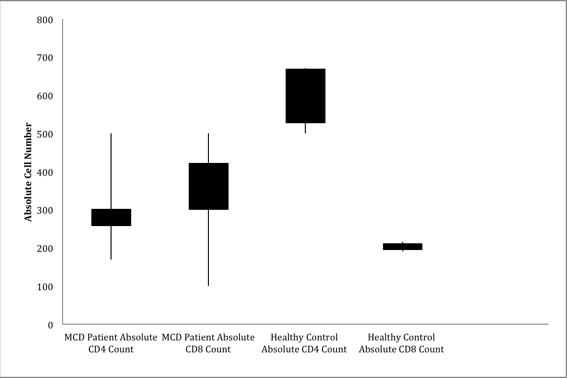
Minimal Change Disease (MCD) is a degenerative kidney disease. Researchers know very little about the cause of this disorder, however some research has suggested that T lymphocytes may be involved. In this study, the authors measure CD4 and CD8 T cell subpopulations in patients with MCD to investigate whether irregular T lymphocyte populations may be involved in MCD pathogenesis.
Read More...Using heptane to extract almond oil
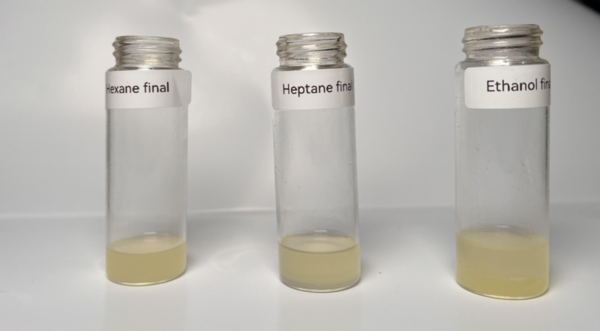
The authors looked at different strategies to extract oil from almonds to determine which gave the best results.
Read More...In silico screening of DEAB analogues as ALDH1 isoenzymes inhibitors in cancer treatment
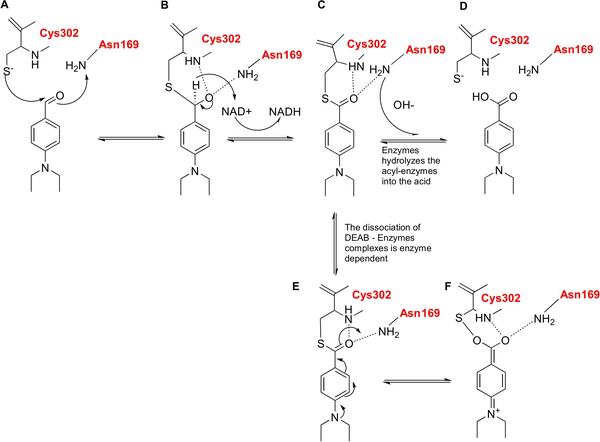
The authors computationally screened potential ALDH1 inhibitors, for use as potential cancer therapeutics.
Read More...The effect of microplastics on the speed, mortality rate, and swimming patterns of Daphnia Magna
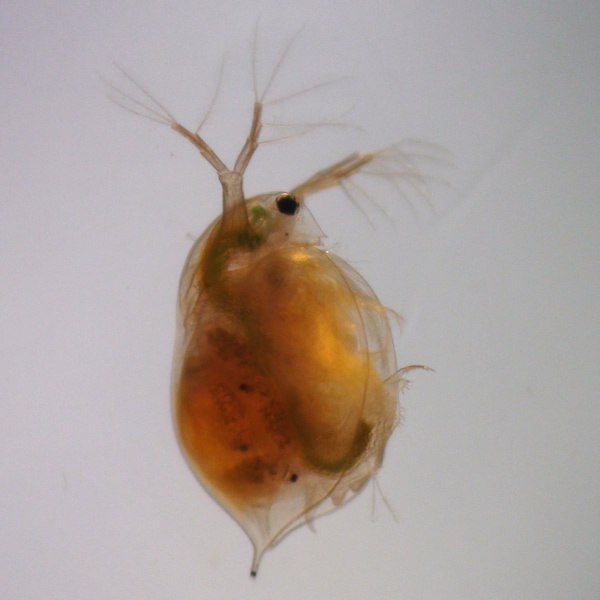
In this study, the authors investigate the effects that microplastics (which pollute fresh and saltwater ecosystems) have on plankton species Daphnia Magna by measuring their movement and viability.
Read More...Integrated Ocean Cleanup System for Sustainable and Healthy Aquatic Ecosystems
Oil spills are one of the most devastating events for marine life. Finding ways to clean up oil spills without the need for harsh chemicals could help decrease the negative impact of such spills. Here the authors demonstrate that using a combination of several biodegradable substances can effectively adsorb oil in seawater in a laboratory setting. They suggest further exploring the potential of such a combination as a possible alternative to commonly-used non-biodegradable substances in oil spill management.
Read More...Herbal Extracts Alter Amyloid Beta Levels in SH-SY5Y Neuroblastoma Cells
Alzheimer’s disease (AD) is a type of dementia that affects more than 5.5 million Americans, and there are no approved treatments that can delay the advancement of the disease. In this work, Xu and Mitchell test the effects of various herbal extracts (bugleweed, hops, sassafras, and white camphor) on Aβ1-40 peptide levels in human neuroblastoma cells. Their results suggest that bugleweed may have the potential to reduce Aβ1-40 levels through its anti-inflammatory properties.
Read More...