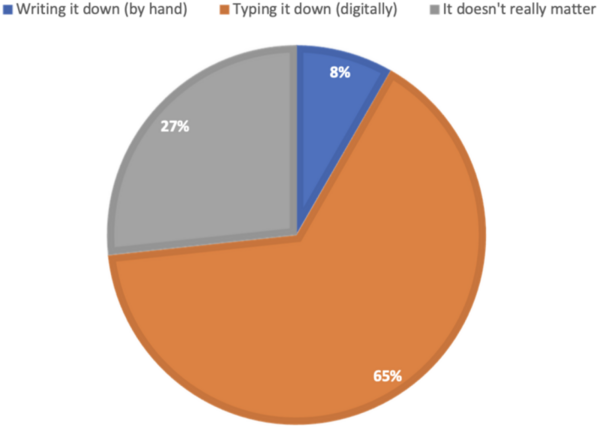
The authors survey high school students regarding preferences for taking notes by hand versus typing.
Read More...Student work preferences: Typing or handwriting in the digital era
The authors survey high school students regarding preferences for taking notes by hand versus typing.
Read More...Optimizing AI image detection using a Convolutional Neural Network model with Fast Fourier Transform
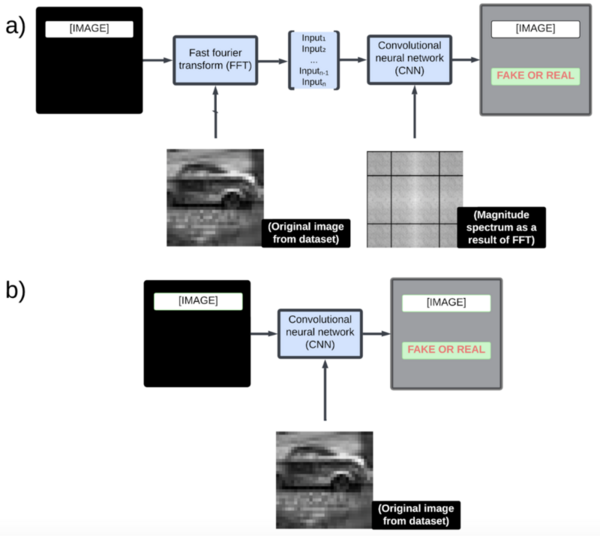
Recent advances in generative AI have made it increasingly hard to distinguish real images from AI-generated ones. Traditional detection models using CNNs or U-net architectures lack precision because they overlook key spatial and frequency domain details. This study introduced a hybrid model combining Convolutional Neural Networks (CNN) with Fast Fourier Transform (FFT) to better capture subtle edge and texture patterns.
Read More...Comparing transformer and RNN models in BCIs for handwritten text decoding via neural signals
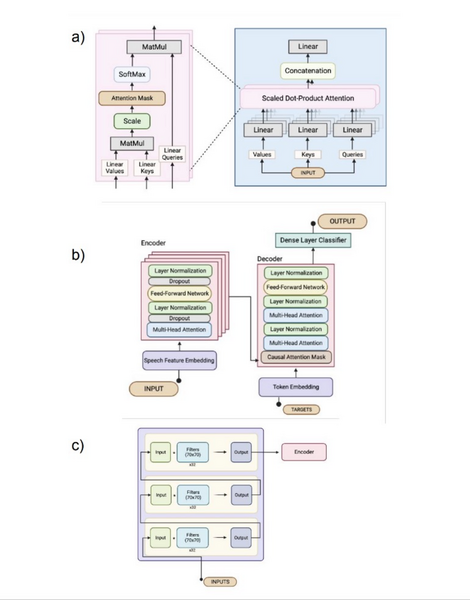
Brain-Computer Interface (BCI) allows users, especially those with paralysis, to control devices through brain activity. This study explored using a custom transformer model to decode neural signals into handwritten text for individuals with limited motor skills, comparing its performance to a traditional RNN-based BCI.
Read More...Building a video classifier to improve the accuracy of depth-aware frame interpolation
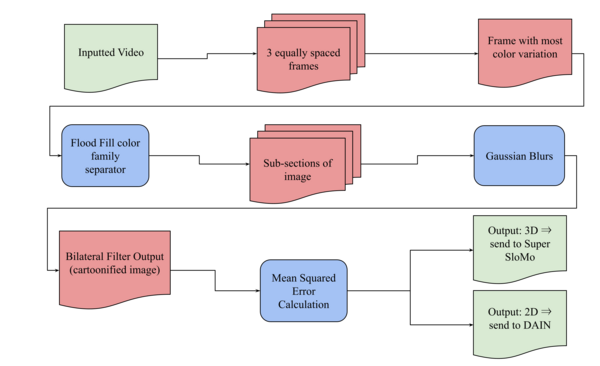
In this study, the authors share their work on improving the frame rate of videos to reduce data sent to users with both 2D and 3D footage. This work helps improve the experience for both types of footage!
Read More...The Effect of Radiant Energy on Radish Seed Germination
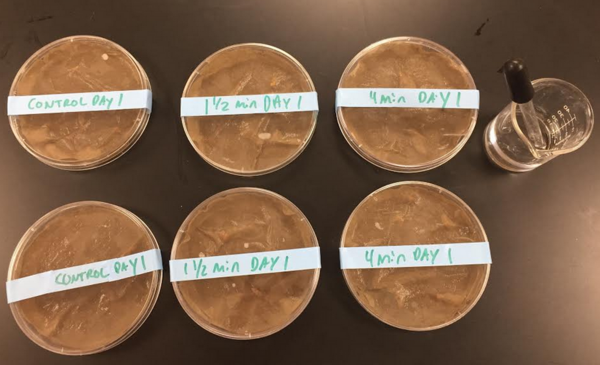
Simon and colleagues test how exposure to microwaves affect radish seed germination, either microwaving seeds for ninety seconds or four minutes prior to planting. Surprisingly, the authors found that seeds microwaved for four minutes exhibited 150% increased germination as compared to controls. The authors hypothesize that breakdown of the radish seed coat when exposed to heat may allow seedlings to sprout more efficiently.
Read More...The gender gap in STEM at top U.S. Universities: change over time and relationship with ranking
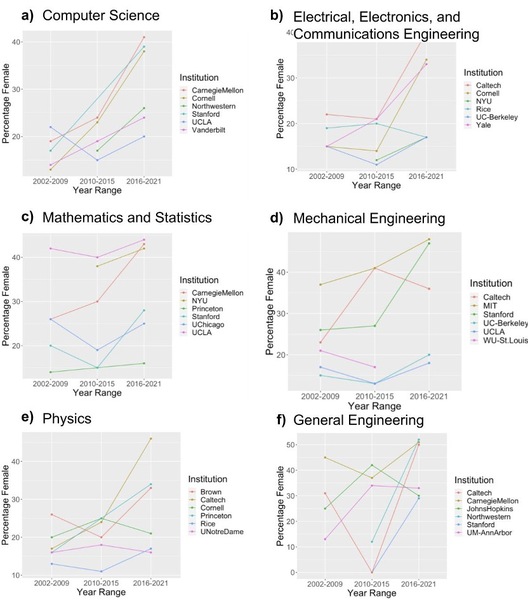
Authors address the gender disparity in STEM fields, examining changes in gender diversity across male-dominated undergraduate programs over 19 years at 24 top universities. Analyzing data from NCES IPEDS, it identifies STEM as persistently male-dominated but notes increasing gender diversity in many disciplines, particularly in recent years. Results indicate that higher-ranked universities in disciplines like computer science and mechanical engineering show a weak correlation with improved gender diversity, suggesting effective initiatives can mitigate the gender gap in STEM, despite ongoing challenges.
Read More...Long Range Radio Communication for Urban Sensor Networks
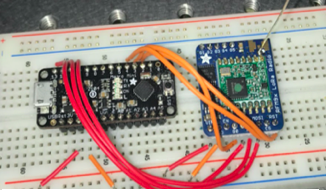
This study investigates the feasibility of using long-range radio communication in a busy city environment in order to begin better understanding how the Internet of Things might be implemented into smart cities.
Read More...How artificial intelligence deep learning models can be used to accurately determine lung cancers
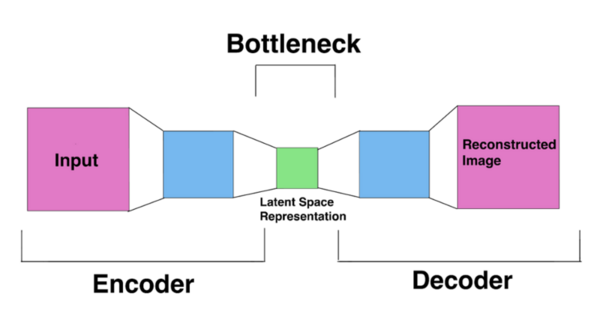
The authors looked at the ability of different deep learning models to predict the presence of lung cancer from chest CT scans. They found that a pre-trained CNN model performed better than an autoencoder model.
Read More...Testing filtration capabilities of household fabrics for protection against airborne contaminants
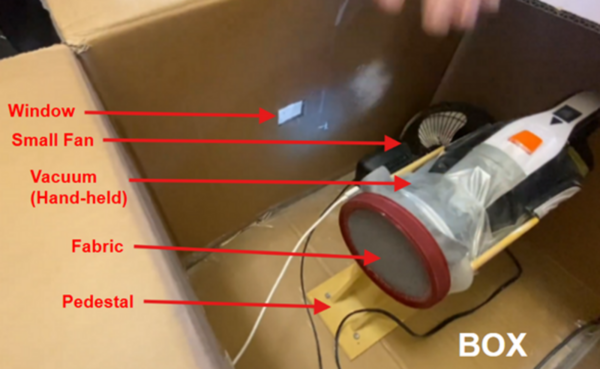
Toxic particulates in the atmosphere pose significant health risks, and while modern masks can help reduce inhalation of these pollutants, their availability may be limited during health crises. This study evaluated the effectiveness of household fabrics (cotton, fleece, wool, and rayon) as particulate filters, finding that cotton outperformed the others in filtration efficiency, while rayon was the least effective. The findings suggest that cotton is a preferable alternative for filtration purposes, while rayon should be avoided.
Read More...Mechanism and cytotoxicity of A1874 proteolysis targeting chimera on CT26 colon carcinoma cell line
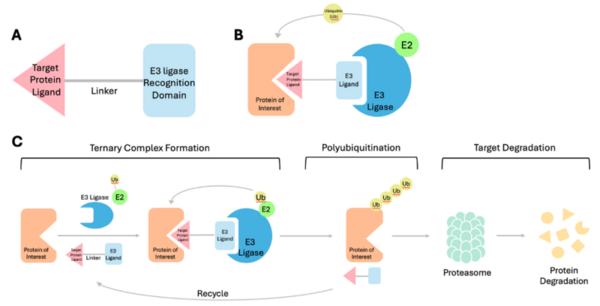
This study investigates the effects of the PROTAC compound A1874 on CT26 colon carcinoma cells, focusing on its ability to degrade the protein BRD4 and reduce cell viability. While A1874 had previously shown effectiveness in other colon cancer cell lines, its impact on CT26 cells was unknown.
Read More...