Browse Articles

Exogenous foliar thiamine application as an alternative strategy to mitigate lead stress in Lepidium sativum

Chen et al. | Oct 28, 2026

Exogenous foliar thiamine application as an alternative strategy to mitigate lead stress in <i>Lepidium sativum</i>

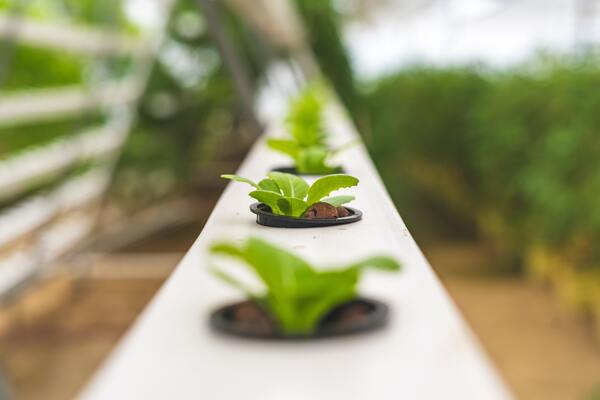
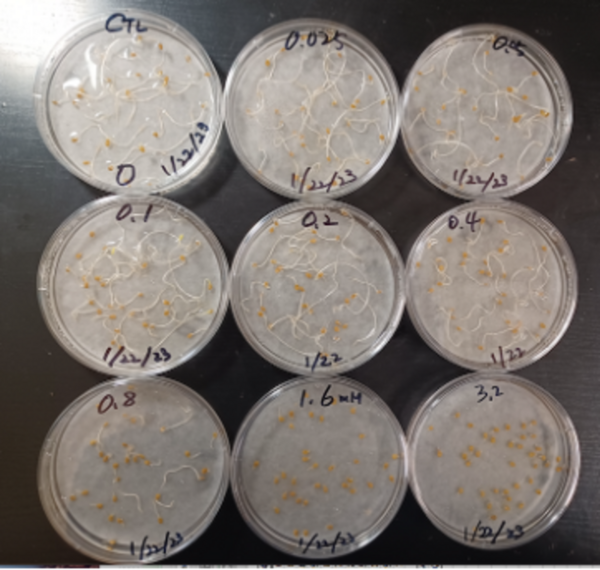
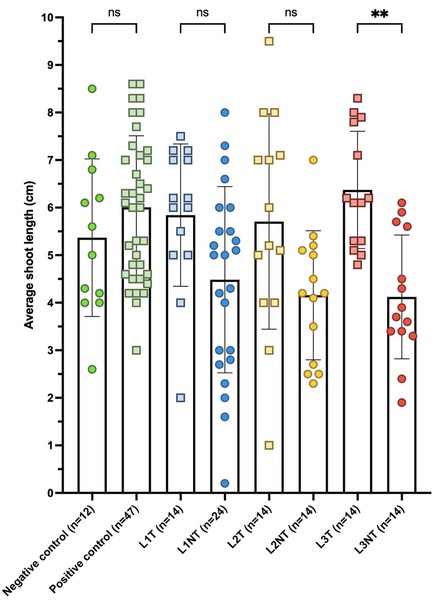
This study investigated whether thiamine (vitamin B1) could mitigate the harmful effects of lead contamination on plant growth. Using garden cress (Lepidium sativum), we found that lead exposure reduced plant growth and biomass, while thiamine treatment partially alleviated these effects, improving shoot length and overall plant length. These findings highlight the potential of thiamine as a simple strategy to improve plant resilience to heavy metal stress, with implications for agricultural productivity and food security.

Read More...
Artificial Intelligence-Based Smart Solution to Reduce Respiratory Problems Caused by Air Pollution

Bhardwaj et al. | Dec 14, 2021

Artificial Intelligence-Based Smart Solution to Reduce Respiratory Problems Caused by Air Pollution

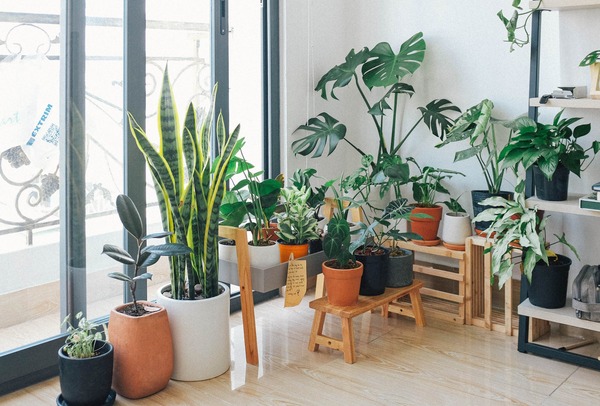
In this report, Bhardwaj and Sharma tested whether placing specific plants indoors can reduce levels of indoor air pollution that can lead to lung-related illnesses. Using machine learning, they show that plants improved overall indoor air quality and reduced levels of particulate matter. They suggest that plant-based interventions coupled with sensors may be a useful long-term solution to reducing and maintaining indoor air pollution.

Read More...

Exploring Unconventional Growing Methods to Promote Healthy Growth in Common Household Plants: Tagetes patula L. and Lepidium sativum

Nguyen et al. | Feb 25, 2021

Exploring Unconventional Growing Methods to Promote Healthy Growth in Common Household Plants: <i>Tagetes patula</i> L. and <i>Lepidium sativum</i>

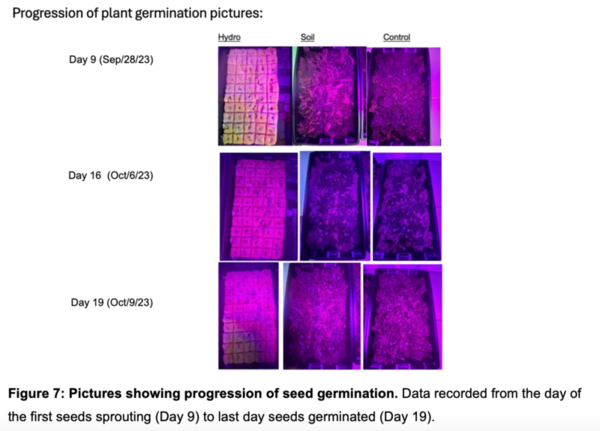
This study focused on finding more sustainable growing methods that reduce chemical fertilizer or water usage and can be used at the household level for garden plants. Metrics for healthy plant growth were height at first bloom, growing time, and survival rate. The Deep Water Culture (DWC) treatment for garden cress plants significantly increased the height at first bloom compared to the control group. For rates of surviving plants, the treatments had little effect on garden cress, but the Eggshell Grounds, Wick System, and DWC system groups outperformed the control group for marigolds.

Read More...

Talinum paniculatum root exhibits synergistic antimicrobial activity with Tetracycline, Erythromycin, and Streptomycin against S. aureus but has no observed effect on antibiotic efficacy against E. coli

Patel et al. | Jan 09, 2018

Talinum paniculatum root exhibits synergistic antimicrobial activity with Tetracycline, Erythromycin, and Streptomycin against S. aureus but has no observed effect on antibiotic efficacy against E. coli

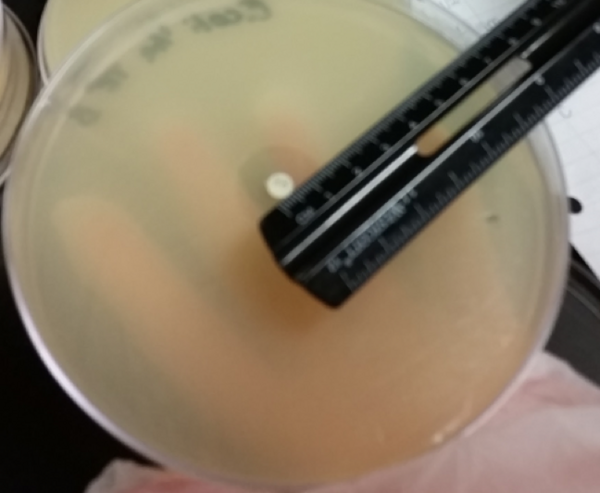
Patel et al. explore whether T. paniculatum plant extract can work with modern antibiotics to increase antibiotic efficacy against common disease-causing bacteria. The plant extract in conjunction with the antibiotic shows promise in battling S. aureus. The authors present a cost-effective method to increase antibiotic efficacy in a time where antibiotic resistant bacteria is becoming a growing problem.

Read More...

Towards an Integrated Solution for Renewable Water and Energy

Chen et al. | Jan 09, 2015

Towards an Integrated Solution for Renewable Water and Energy

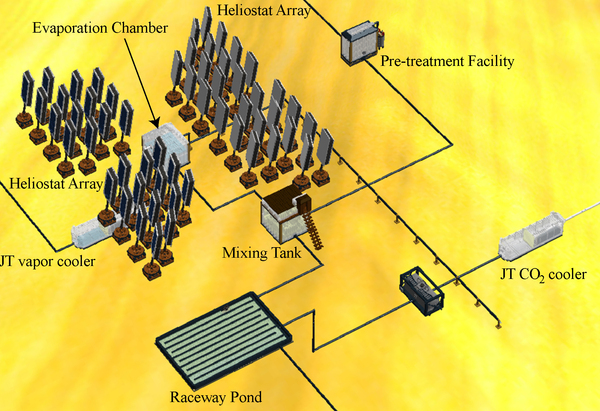
An integrated plant that would generate energy from solar power and provide clean water would help solve multiple sustainability issues. The feasibility of such a plant was investigated by looking at the efficacy of several different modules of such a plant on a small scale.

Read More...

The optimization of high-protein duckweed cultivation in eutrophicated water with mutualistic bacteria

Akkarajeerawat et al. | Mar 18, 2025

The optimization of high-protein duckweed cultivation in eutrophicated water with mutualistic bacteria

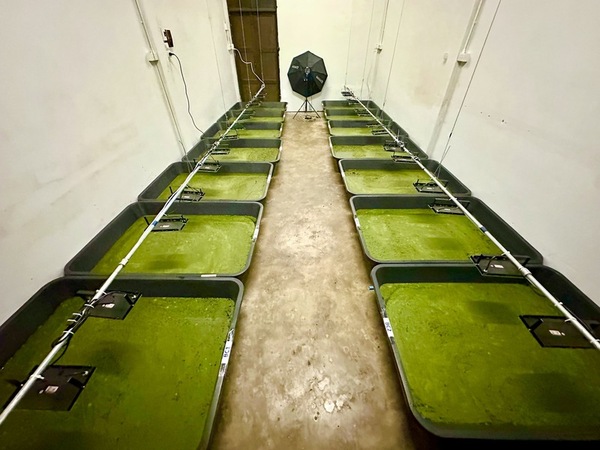
he rapid growth of the human population is driving food crises in Thailand and Southeast Asia, while contributing to global food insecurity and a larger carbon footprint. One potential solution is cultivating duckweed (Wolffia globosa) for consumption, as it grows quickly and can provide an alternative protein source. This research explored two methods to optimize duckweed cultivation: using phosphorus- and nitrogen-rich growing media and plant growth-promoting bacteria (PGPB).

Read More...

An exploration of western mosquitofish as the animal component in an aquaponic farming system

Medina et al. | Dec 03, 2024

An exploration of western mosquitofish as the animal component in an aquaponic farming system
Image credit: The authors

Aquaponics (the combination of aquatic plant farming with fish production) is an innovative farming practice, but the fish that are typically used, like tilapia, are expensive and space-consuming to cultivate. Medina and Alvarez explore other options test if mosquitofish are a viable option in the aquaponic cultivation of herbs and microgreens.

Read More...