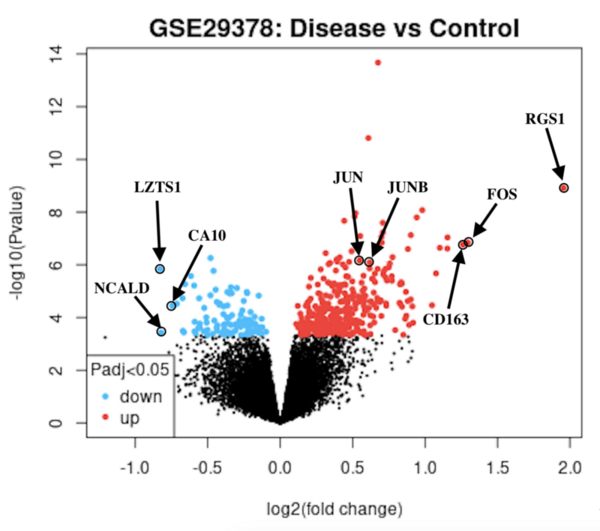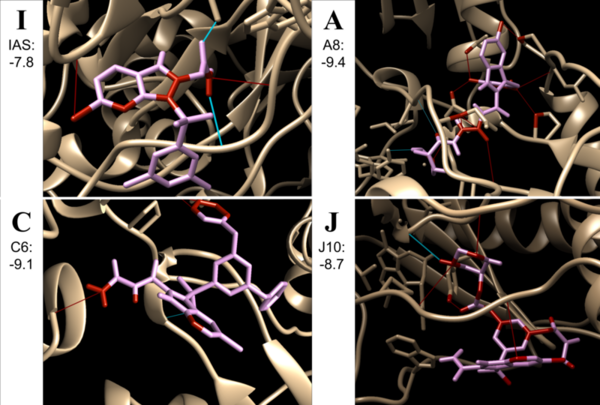
The authors studied hippocampal gene expression in Alzheimer's disease.
Read More...Upregulation of the AP-1 complex as a potential biomarker for Alzheimer’s disease (AD)
Simulating single versus cocktail antibiotic effects on the human gut microbiome
This study, uses SimulATe to model changes in microbial diversity and community structure upon administering a cocktail of antibiotics versus a single antibiotic. The authors hypothesized that antibiotic cocktails, particularly those combining broad-spectrum drugs like tetracyclines and trimethoprims, would cause a more significant reduction in gut microbial diversity compared to single-drug treatments. The findings confirmed a greater loss of microbial diversity with combinatorial treatments compared to single-drug treatments. While individual antibiotics dynamically reshaped the surviving species of the microbiome, antibiotic cocktails frequently cleared all species of the gut microbiome.
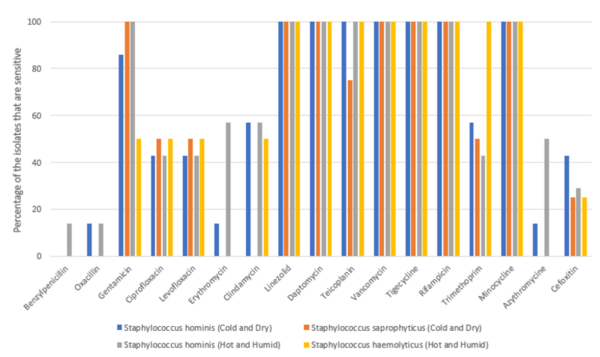
Read More...Effect of environmental factors on bacterial flora of normal human skin
The authors looked how different working conditions impacted the microbiome of the human skin.
Read More...Giving Teens a Voice: Sources of Stress for High School Students
The authors investigate the negative effects stress has on teen mental and physical health. Through a survey, they give Virginia teens a voice in revising the Health and Physical Education curriculum to include a standards of learning (SOL). Notably they identify factors contributing to stress levels including homework level, amount of free and sleep time, parental pressure and family encouragement.
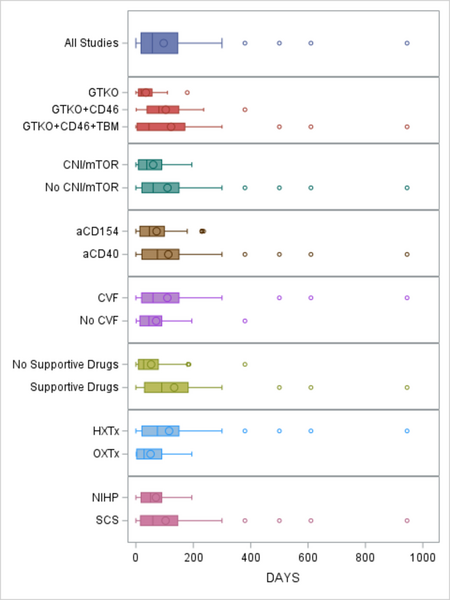
Read More...The impact of genetic, drug, and procedural factors on cardiac xenograft survival days in non-human primates
Due to a critical shortage of donor hearts, researchers are exploring cardiac xenotransplantation—transplanting animal hearts into humans—as a potential solution. This study synthesized nearly two decades of preclinical research to evaluate multiple factors affecting xenograft survival.
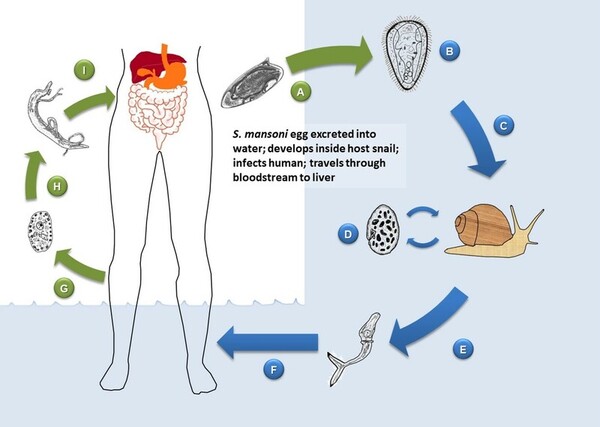
Read More...Exposure to Schistosoma mansoni antigen induces an allergic response to peanuts in an American cockroach model
Pillai et al. look at whether exposure to Schistosoma mansoni, a parasitic blood fluke, has any relation to peanut allergies. They found that cockroaches exposed to an antigen found in S. mansoni eggs exhibited an allergic reaction to peanuts.
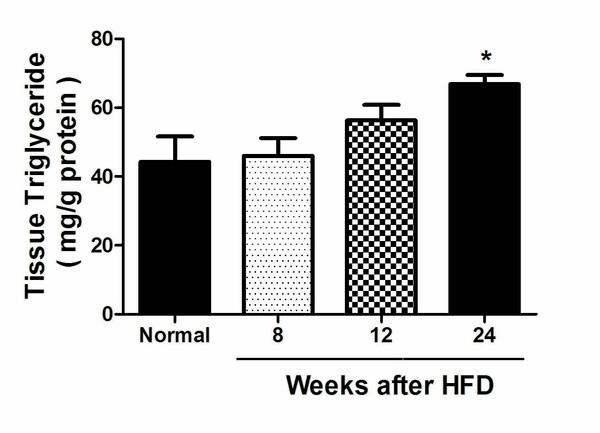
Read More...Molecular Alterations in a High-Fat Mouse Model Before the Onset of Diet–Induced Nonalcoholic Fatty Liver Disease
Nonalcoholic fatty liver disease (NAFLD) is one of the most prevalent chronic liver diseases worldwide, but there are few studied warning signs for early detection of the disease. Here, researchers study alterations that occur in a mouse model of NAFLD, which indicate the onset of NAFLD sooner. Earlier detection of diseases can lead to better prevention and treatment.
Read More...