Browse Articles

LawCrypt: Secret Sharing for Attorney-Client Data in a Multi-Provider Cloud Architecture

Zhang et al. | Jul 19, 2020

LawCrypt: Secret Sharing for Attorney-Client Data in a Multi-Provider Cloud Architecture

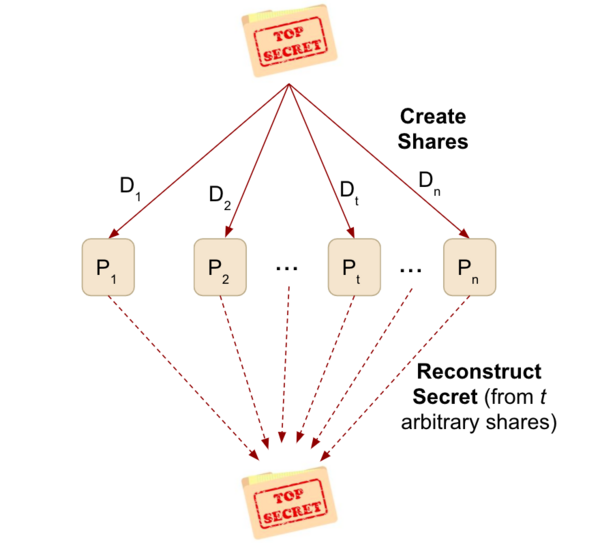
In this study, the authors develop an architecture to implement in a cloud-based database used by law firms to ensure confidentiality, availability, and integrity of attorney documents while maintaining greater efficiency than traditional encryption algorithms. They assessed whether the architecture satisfies necessary criteria and tested the overall file sizes the architecture could process. The authors found that their system was able to handle larger file sizes and fit engineering criteria. This study presents a valuable new tool that can be used to ensure law firms have adequate security as they shift to using cloud-based storage systems for their files.

Read More...
Comparing the Effects of Different Natural Products on Reducing Tumor Growth in a Drosophila Model

Ganesh et al. | May 31, 2020

Comparing the Effects of Different Natural Products on Reducing Tumor Growth in a <i>Drosophila</i> Model

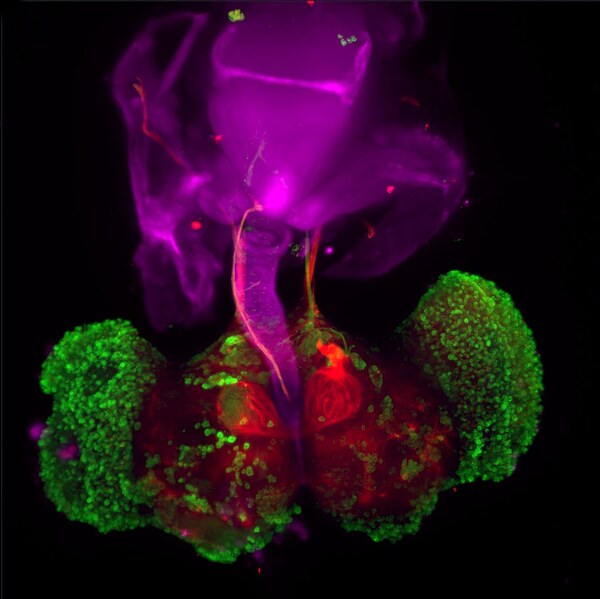
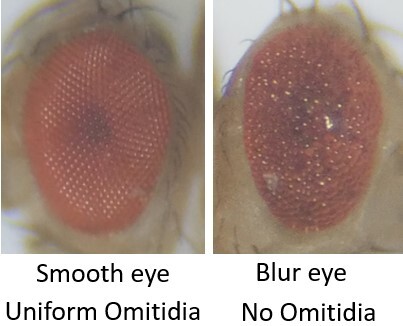
In this work, the authors compared the effects of common natural products, including sesame, cinnamon, garlic, moringa and turmeric on tumor growth in Drosophila eyes. The data showed that these natural products cannot be used to reduce tumor growth once it has completely formed. However, the data suggested that some natural products can reduce cancer cell growth when tumors are treated early.

Read More...

Conversion of Mesenchymal Stem Cells to Cancer-Associated Fibroblasts in a Tumor Microenvironment: An in vitro Study

Ramesh et al. | Feb 18, 2020

Conversion of Mesenchymal Stem Cells to Cancer-Associated Fibroblasts in a Tumor Microenvironment: An <em>in vitro</em> Study

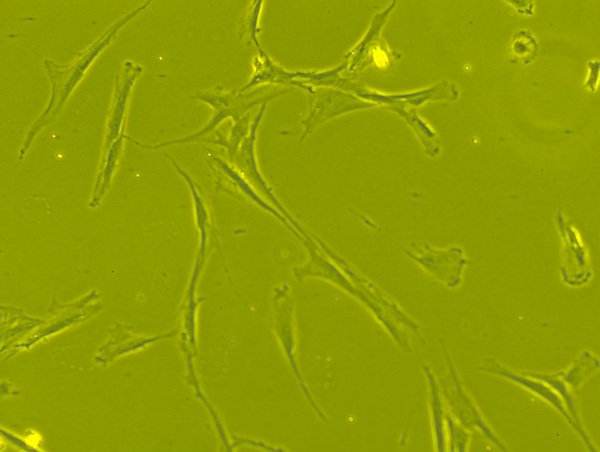
Mesenchymal stem cells(MSCs) play a role in tumor formation by differentiating into cancer associated fibroblasts (CAFs) which enable metastasis of tumors. The process of conversion of MSCs into CAFs is not clear. In this study, authors tested the hypothesis that cancers cells secrete soluble factors that induce differentiation by culturing bone marrow mesenchymal stem cells in media conditioned by a breast cancer cell line.

Read More...

Effects of Coolant Temperature on the Characteristics of Soil Cooling Curve

Wang et al. | Jan 16, 2020

Effects of Coolant Temperature on the Characteristics of Soil Cooling Curve

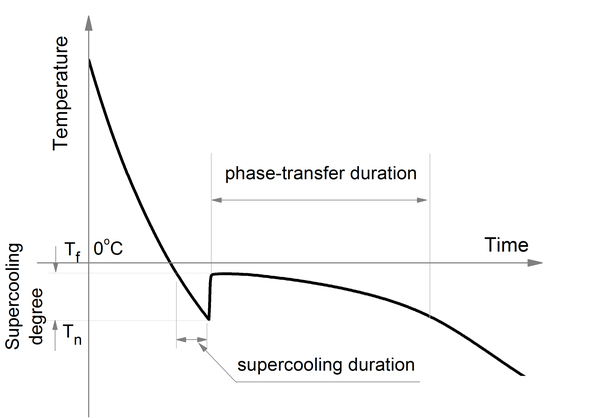
In this article, the authors investigate whether coolant temperature affects soil cooling curves of soil with otherwise identical properties. The coolant temperature is representative of environmental temperature, and the authors hypothesized that differences in this temperature would not affect the freezing temperature of soil. Their findings validated their hypothesis providing helpful information relevant to understanding how frost heaves happen and how to predict their occurrence more accurately.

Read More...

Investigation of Everyday Locations for Antibiotic-Resistant Bacteria in Cambridge, Massachusetts

Maggio et al. | Dec 12, 2019

Investigation of Everyday Locations for Antibiotic-Resistant Bacteria in Cambridge, Massachusetts

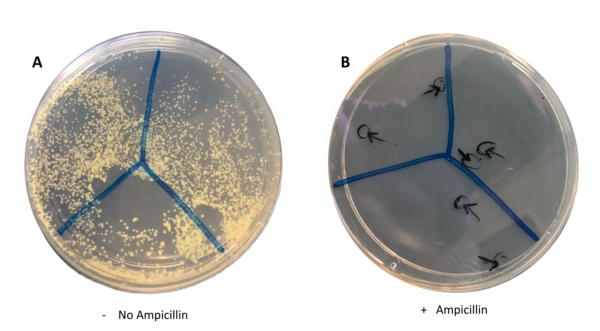
In this study, the authors investigate whether antibiotic-resistant bacteria can be found in everyday locations. To do this, they collected samples from multiple high-trafficked areas in Cambridge, MA and grew them in the presence and absence of antibiotics. Interestingly, they grew bacterial colonies from many locations' samples, but not all could grow in the presence of ampicillin. These findings are intriguing and relevant given the rising concern about antibiotic-resistant bacteria.

Read More...

Development of a Novel Treatment Strategy to Treat Parkinsonian Neurodegeneration by Targeting Both Lewy Body Aggregation and Dopaminergic Neuronal Degradation in a Drosophila melanogaster Model

Sama et al. | Sep 25, 2019

Development of a Novel Treatment Strategy to Treat Parkinsonian Neurodegeneration by Targeting Both Lewy Body Aggregation and Dopaminergic Neuronal Degradation in a <em>Drosophila melanogaster</em> Model

In this article the authors address the complex and life quality-diminishing neurodegenerative disease known as Parkinson's. Although genetic and/or environmental factors contribute to the etiology of the disease, the diagnostic symptoms are the same. By genetically modifying fruit flies to exhibit symptoms of Parkinson's disease, they investigate whether drugs that inhibit mitochondrial calcium uptake or activate the lysosomal degradation of proteins could improve the symptoms of Parkinson's these flies exhibit. The authors report the most promising outcome to be that when both types of drugs were used together. Their data provides encouraging evidence to support further investigation of the utility of such drugs in the treatment of human Parkinson's patients.

Read More...

Nitric Oxide Synthesis/Pathway Inhibitors in Daphnia magna Reverse Alcohol-Induced Heart Rate Decrease

Gunturi et al. | Sep 17, 2019

Nitric Oxide Synthesis/Pathway Inhibitors in Daphnia magna Reverse Alcohol-Induced Heart Rate Decrease

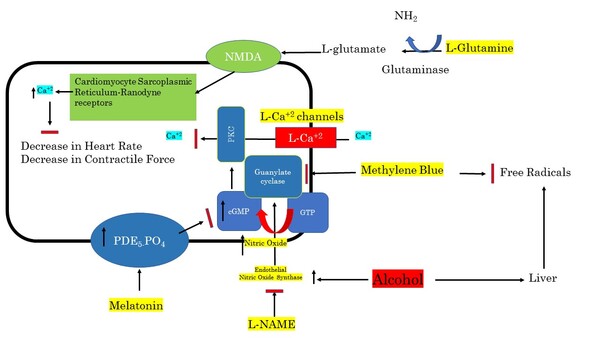
Chronic alcohol consumption can cause cardiac myopathy, which afflicts about 500,000 Americans annually. Gunturi et al. wanted to understand the effects of alcohol on heart rate and confirm the role of nitric oxide (NO) signaling in heart rate regulation. Using the model organism Daphnia magna, a water crustacean with a large, transparent heart, they found that the heart rate of Daphnia magna was reduced after treatment with alcohol. This depression could be reversed after treatment with inhibitors of NO synthesis and signaling. Their work has important implications for how we understand alcohol-induced effects on heart rate and potential treatments to reverse heart rate depression as a result of alcohol consumption.

Read More...

Testing the Effects of Salep Derived From the Tubers of Orchis mascula, Aloe vera, and Alpha-chymotrypsin on Wound Healing in Drosophila melanogaster Larvae

Halder et al. | Sep 09, 2019

Testing the Effects of Salep Derived From the Tubers of <em>Orchis mascula</em>, <em>Aloe vera</em>, and Alpha-chymotrypsin on Wound Healing in <em>Drosophila melanogaster</em> Larvae

Aloe vera and alpha-chymotrypsin have been used in are known for their various wound healing properties. Halder et al hypothesized that these treatments would enhance wound healing in Drosophila melanogaster larvae over 2 weeks by decreasing wound size more effectively compared to controls. The results of two of the treatment groups, Salep and Aloe vera, yielded wound sizes small enough to present a significant percent decrease when compared with the wound sizes of the control group. Their results show support that both Salep and Aloe vera were effective for enhancing wound healing in epithelial cells in D. melanogaster larvae.

Read More...

Evaluating Biomarkers and Treatments for Acute Kidney Injury in a Zebrafish Model

Mathew et al. | Aug 11, 2019

Evaluating Biomarkers and Treatments for Acute Kidney Injury in a Zebrafish Model

Coronary Artery Disease (CAD) is the leading cause of death in the United States, and 81% of Acute Kidney Injury (AKI) patients in the renal fibrosis stage later develop CAD. In this study, Mathew and Joykutty aimed to create a cost-effective strategy to treat AKI and thus prevent CAD using a model of the zebrafish, Danio rerio. They first tested whether AKI is induced in Danio rerio upon exposure to environmental toxins, then evaluated nitrotyrosine as an early biomarker for toxin-induced AKI. Finally, they evaluated 4 treatments of renal fibrosis, the last stage of AKI, and found that the compound SB431542 was the most effective treatment (reduced fibrosis by 99.97%). Their approach to treating AKI patients, and potentially prevent CAD, is economically feasible for translation into the clinic in both developing and developed countries.

Read More...