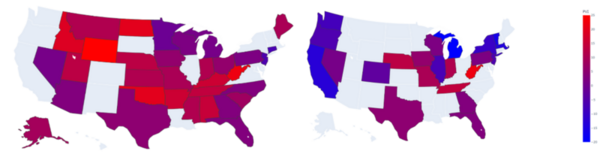
The authors analyze political endorsement patterns and impacts from the 2018 and 2020 midterm elections and find that such endorsements may be predictable based on the ideological and demographic factors of the endorser.
Read More...Who controls U.S. politics? An analysis of major political endorsements in U.S. midterm elections
The authors analyze political endorsement patterns and impacts from the 2018 and 2020 midterm elections and find that such endorsements may be predictable based on the ideological and demographic factors of the endorser.
Read More...Bird Feeding Experiment: Do Wild Birds Feed in a More Wooded or Exposed Area?
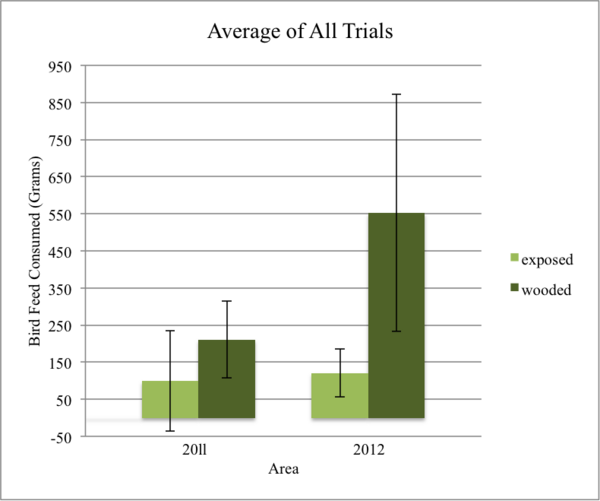
Habitat loss and global warming remain present-day issues that continue to place pressures on various ecosystems and their species. The authors of this paper performed studies over two years to understand whether birds feed more from wooded or exposed areas.
Read More...Biowaste to Biofuel: Using Methane-Producing Microorganisms Found in Soil Samples from Local Wetlands
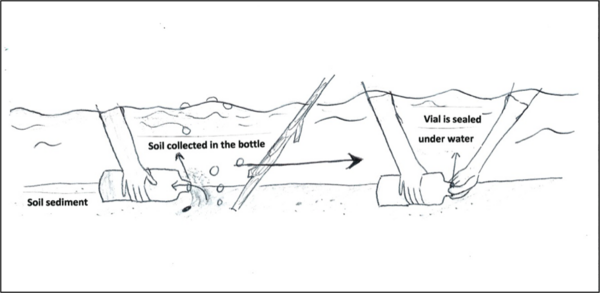
Methane is a naturally-occurring gas that could be utilized as a renewable source of energy. In this study, authors isolated microorganisms from the Puget Sound region that could produce methane biofuel from composted waste.
Read More...Recombinant preparation and characterization of ADH1C and ALDH2 in alcohol metabolism

The authors test the activity of two purified human alcohol detoxification enzymes, alcohol dehydrogenase and aldehyde dehydrogenase.
Read More...Human comprehension of 4-dimensional rotation
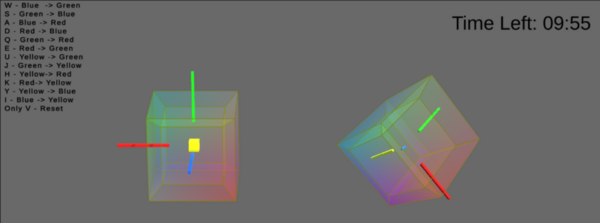
The authors looked at the ability subjects to rotation a 4D cube and how the ability to practice cube rotation impact their ability to understand 4D space.
Read More...In vitro characterization of umilical cord-dervied MSC's supplemented with PLAY®:A potential FBS substitute
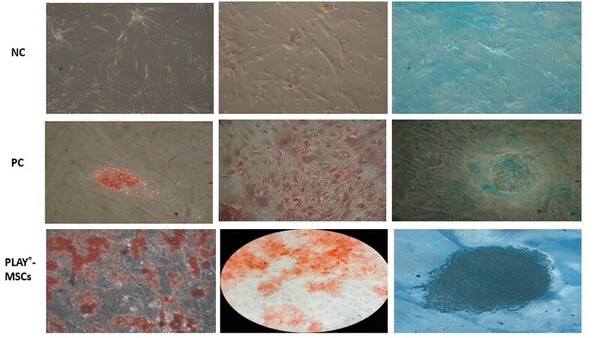
FBS is an important component in in vitro cell culture work, helping to provide needed nutrients to cells to grow. The authors look at the ability of an alternative to FBS to support cell growth in culture.
Read More...Integrated Ocean Cleanup System for Sustainable and Healthy Aquatic Ecosystems
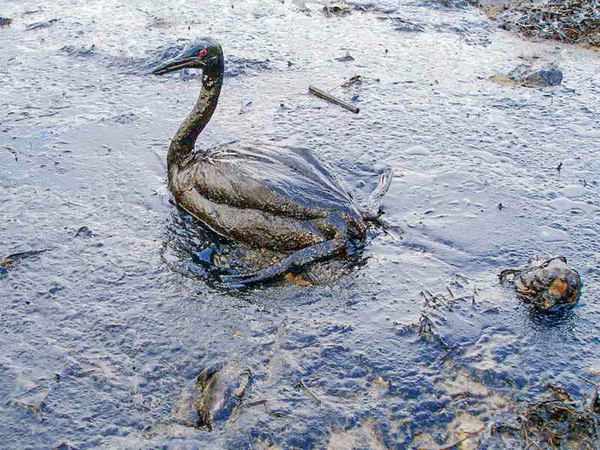
Oil spills are one of the most devastating events for marine life. Finding ways to clean up oil spills without the need for harsh chemicals could help decrease the negative impact of such spills. Here the authors demonstrate that using a combination of several biodegradable substances can effectively adsorb oil in seawater in a laboratory setting. They suggest further exploring the potential of such a combination as a possible alternative to commonly-used non-biodegradable substances in oil spill management.
Read More...Mitigation of ultraviolet solar radiation involving calcite
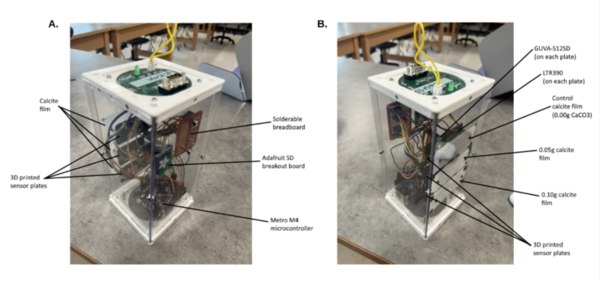
This study tested whether calcite, a safe and naturally occurring mineral, can block ultraviolet (UV) radiation when used in solar geoengineering. Students launched a high‑altitude balloon carrying UV sensors and calcite‑coated sheets to measure how much UV light passed through different calcite concentrations. Their results showed that calcite significantly reduces UV transmission, suggesting it may be a promising material for future stratospheric aerosol injection to help mitigate climate change.
Read More...Leaky expression of PRMT1 in Escherichia coli and redox regulation of its histone methyltransferase activity
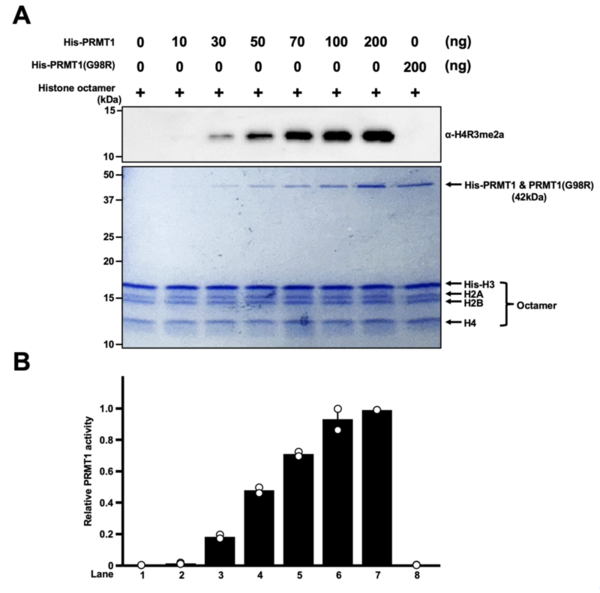
This study characterizes recombinant human Protein arginine methyltransferase 1 (PRMT1) expressed in Escherichia. coli and reveals that the enzyme exhibits leaky expression even without isopropyl β-D-1-thiogalactopyranoside (IPTG) induction. Through in vitro histone methyltransferase assays, we demonstrate that PRMT1 activity toward histone H4R3 is enhanced by dithiothreitol (DTT) in a dose-dependent manner but remains unresponsive to β-mercaptoethanol. These findings highlight the critical role of redox conditions in regulating PRMT1 catalytic function and provide a practical framework for future biochemical and kinetic studies.
Regenerative Effects of Turmeric and Alpha-Lipoic Acid in Lumbriculus variegatus
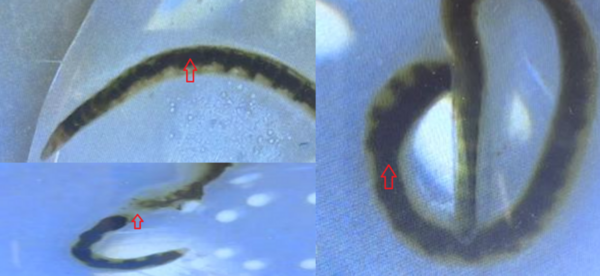
This study examines the effects of tumeric, and alph-lipoic acid on segment regeneration and cardiovascular pulse rate, using the California blackworm. Results can ultimately demonstrate potential natural compounds for tissue repair and their effect on physiological activity.
Read More...