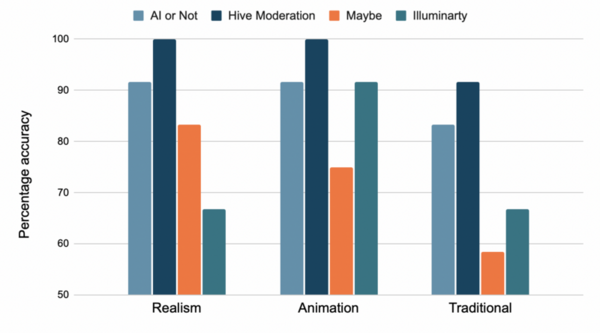
The authors investigate how well AI-detection machine learning models can detect real versus AI-generated art across different art styles.
Read More...Evaluating the effectiveness of machine learning models for detecting AI-generated art
The authors investigate how well AI-detection machine learning models can detect real versus AI-generated art across different art styles.
Read More...Entropy-based subset selection principal component analysis for diabetes risk factor identification
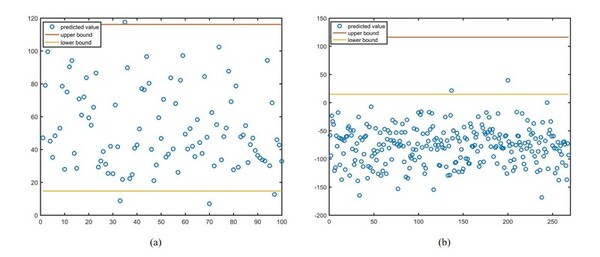
In this article, the authors looked at developing a strategy that would allow for earlier diagnosis of Diabetes as that improves long-term outcomes. They were able to find that BMI, tricep skin fold thickness, and blood pressure are the risk factors with the highest accuracy in predicting diabetes risk.
Read More...Aberrant response to dexamethasone suppression test associated with inflammatory response in MDD patients
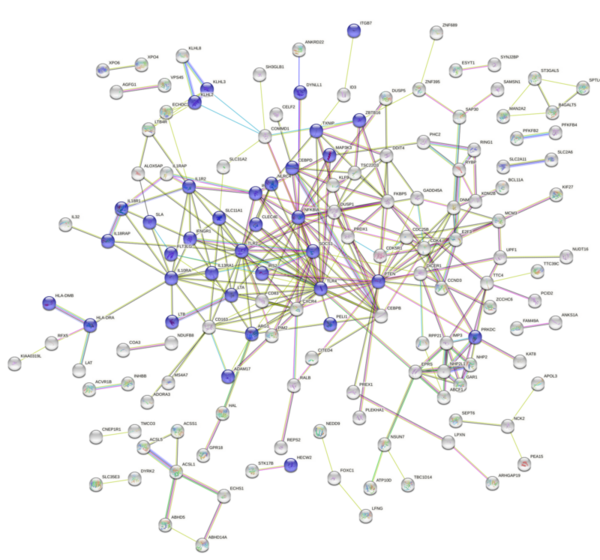
Major depressive disorder (MDD) is a prevalent mood disorder. The direct causes and biological mechanisms of depression still elude understanding, though genetic factors have been implicated. This study looked to identify the mechanism behind the aberrant response to the dexamethasone suppression test (DST) displayed by MDD patients, in which they display a lack of cortisol suppression. Analysis revealed several pro-inflammatory genes that were significant and differentially expressed between affected and non-affected groups in response to the DST. Looking at ways to decrease the inflammatory response could have implications for treatment and may explain why some people treated for depression still display symptoms or may lead researchers to different classes of drugs for treatment.
Read More...Accessibility to urgent care services for disadvantaged populations: An analysis of healthcare disparities
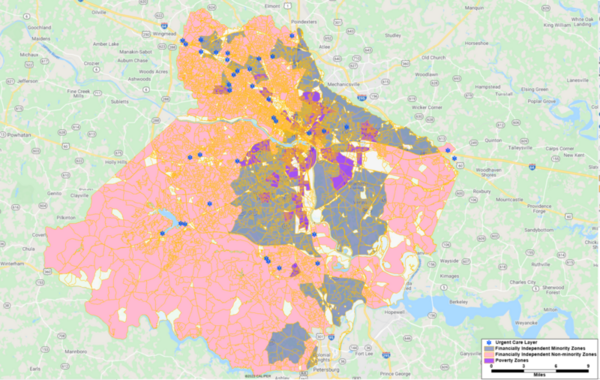
The COVID-19 pandemic demonstrated the depth and significance of healthcare inequality in the United States. Xiao, Xiao, and Gong examine healthcare disparities in the Richmond (Virginia) metropolitan area by analyzing whether people from disadvantaged populations must travel for longer to reach healthcare facilities.
Read More...Defying chemical tagging: inhomogeneities in the wide binary system HIP 34407/HIP 34426

This assessed the hypothesis that stars in wide binary systems are chemically homogeneous because of their shared origin. Abundances of the HIP 34407/HIP 34426 binary were obtained by analyzing high-resolution spectra of the system. Discrepancies found in the system’s elemental abundances might be an indicator of the presence of rocky planets around this star. Thus, the differences found in chemical composition might demonstrate limitations in the assumptions of chemical tagging.
Read More...A novel approach for predicting Alzheimer’s disease using machine learning on DNA methylation in blood
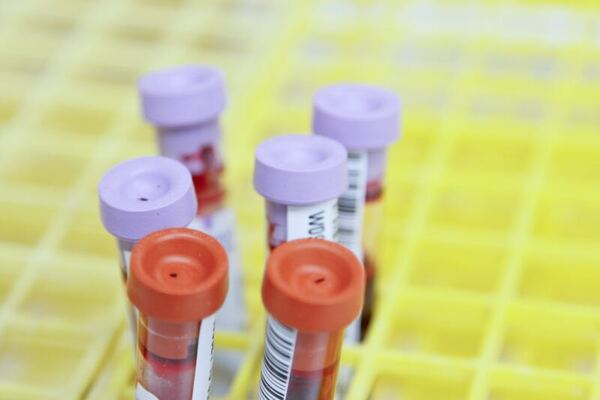
Here, recognizing the difficulty associated with tracking the progression of dementia, the authors used machine learning models to predict between the presence of cognitive normalcy, mild cognitive impairment, and Alzheimer's Disease, based on blood DNA methylation levels, sex, and age. With four machine learning models and two dataset dimensionality reduction methods they achieved an accuracy of 53.33%.
Read More...A cost-effective IoT-based intelligent indoor air quality monitoring
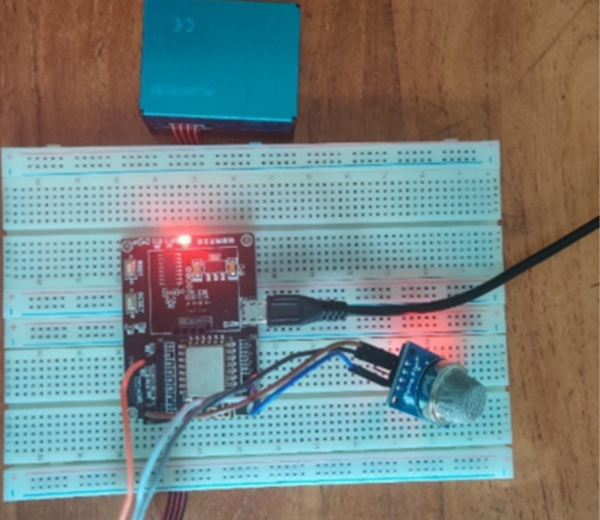
Poor air quality is associated with negative effects on human health but can be difficult to measure in an accurate and cost-effective manner. The authors design and test a monitor for measuring indoor air quality using low-cost components.
Read More...Estimating the liquid jet breakdown height using dimensional analysis with experimental evidence

These authors mathematically deduce a model that explains the interesting (and unintuitive) physical phenomenon that occurs when water falls.
Read More...Rhythmic lyrics translation: Customizing a pre-trained language model using stacked fine-tuning

Neural machine translation (NMT) is a software that uses neural network techniques to translate text from one language to another. However, one of the most famous NMT models—Google Translate—failed to give an accurate English translation of a famous Korean nursery rhyme, "Airplane" (비행기). The authors fine-tuned a pre-trained model first with a dataset from the lyrics domain, and then with a smaller dataset containing the rhythmical properties, to teach the model to translate rhythmically accurate lyrics. This stacked fine-tuning method resulted in an NMT model that could maintain the rhythmical characteristics of lyrics during translation while single fine-tuned models failed to do so.
Read More...Differential MERS-CoV response in different cell types
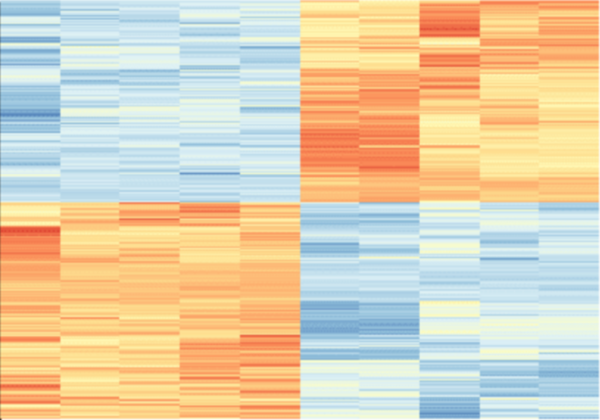
The authors compare RNA expression profiles across three human cell types following infection with MERS-CoV
Read More...