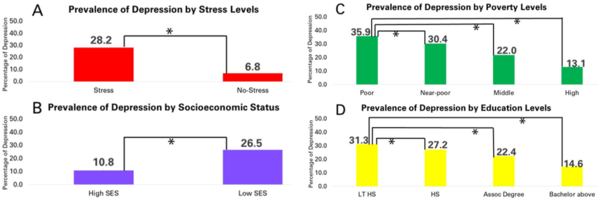
The authors use the Census Household Pulse Survey issued by the US Census Bureau to examine the prevalence of stress and depression among people across socioeconomic statuses.
Read More...Stress and depression among individuals with low socioeconomic status during economic inflation
The authors use the Census Household Pulse Survey issued by the US Census Bureau to examine the prevalence of stress and depression among people across socioeconomic statuses.
Read More...Percentages are a better format for conveying medical risk than frequencies
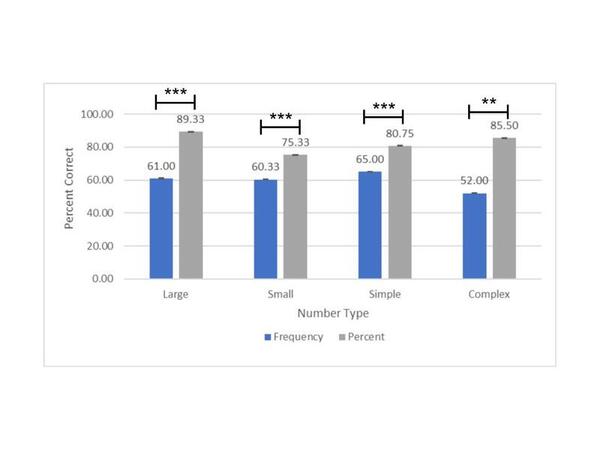
It can be challenging for the general public to understand data on medical risk. Weseley-Jones and Mordechai tackle this issue by conducting a survey to assess people's skill and comfort with understanding medical risk information in percentage and frequency formats.
Read More...Are Asian foods healthier than Western foods: Evidence collected from St. Louis area grocery stores
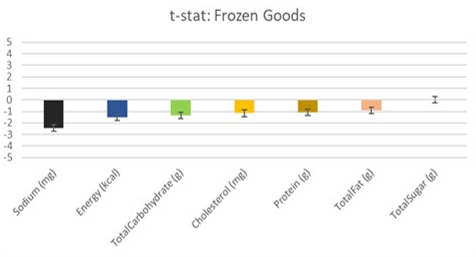
The authors compare nutritional content of foods found in Western versus Asian grocery stores to determine whether one cultural diet is healthier than the other.
Read More...Building deep neural networks to detect candy from photos and estimate nutrient portfolio
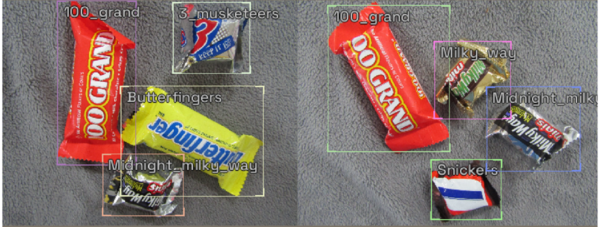
The authors use pictures of candy wrappers and neural networks to improve nutritional accuracy of diet-tracking apps.
Read More...Breast cancer mammographic screening by different guidelines among women of different races/ethnicities
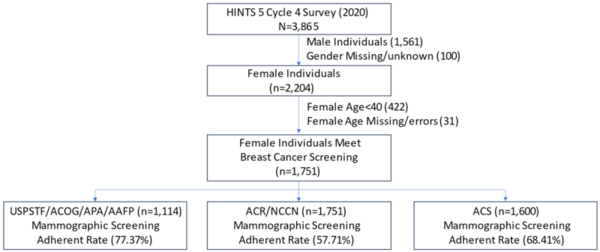
Mammographic screening is a common diagnostic tool for breast cancer among average-risk women. The authors hypothesized that adherence rates for mammographic screening may be lower among minorities (non-Hispanic black (NHB) and Hispanic/Latino) than among non-Hispanic whites (NHW) regardless of the guideline applied. The findings support other studies’ results that different racial/ethnic and socio-demographic factors can affect screening adherence. Therefore, healthcare providers should promote breast cancer screening especially among NHW/Hispanic women and women lacking insurance coverage.
Read More...Interleukin family (IL-2 and IL-1β) as predictive biomarkers in Indian cancer patients: A proof of concept study

Here, recognizing that the immune response to cancer results in biomarkers that can be used to assess the immune status of cancer patients, the authors investigated the concentrations of key cytokines (TH1 and TH2 cytokines) in healthy controls and cancer patients. They identified significant changes in resting and activated cytokine profiles, suggesting that data of biomarkers such as these could serve as a starting point for further treatment with regard to a patient's specific immune profile.
Read More...Survey of medication disposal: Patient views and awareness

The authors investigate how improper disposal of medication can be mitigated through community education efforts.
Read More...A comparative analysis of machine learning approaches for prediction of breast cancer
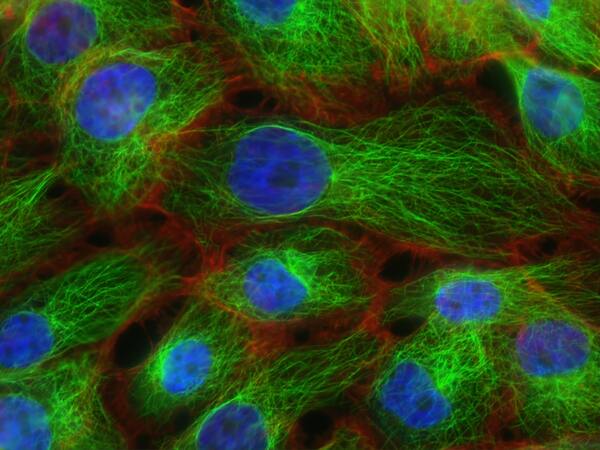
Machine learning and deep learning techniques can be used to predict the early onset of breast cancer. The main objective of this analysis was to determine whether machine learning algorithms can be used to predict the onset of breast cancer with more than 90% accuracy. Based on research with supervised machine learning algorithms, Gaussian Naïve Bayes, K Nearest Algorithm, Random Forest, and Logistic Regression were considered because they offer a wide variety of classification methods and also provide high accuracy and performance. We hypothesized that all these algorithms would provide accurate results, and Random Forest and Logistic Regression would provide better accuracy and performance than Naïve Bayes and K Nearest Neighbor.
Read More...Behavioral Longevity: The Impact of Smoking, Alcohol Consumption, and Obesity on Life Expectancy
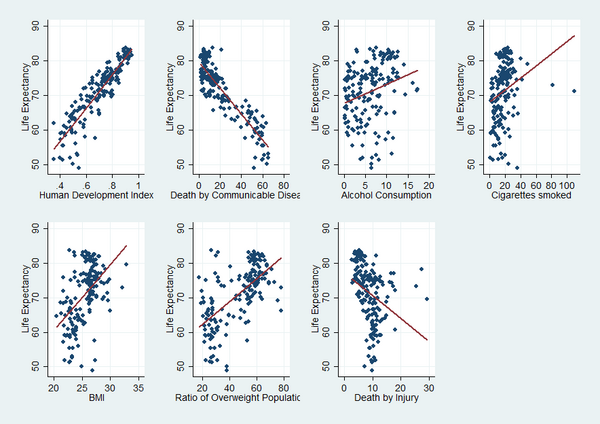
In this article, the authors look into what is already known about the factor affecting longevity and determine the importance of behavioral factors including alcohol consumption, smoking, and obesity on longevity. The authors quantify data from over 150 countries and, interestingly, find that the impact each factor has on longevity is at least in part dependent on the country's economic development status. Overall, they conclude that an average person’s life expectancy can increase by more than 3 years if smoking and alcohol consumption is reduced by a half and weight is decreased by 10%.
Read More...Dietary calcium intake and lead body burden in U.S. adolescents
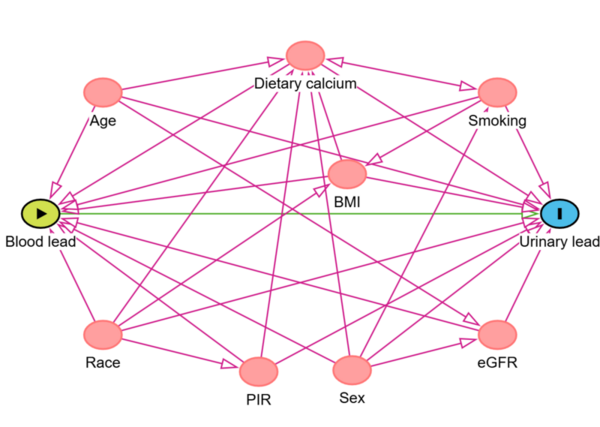
We investigated whether dietary calcium intake affects how adolescents handle lead internally. Using paired blood and urinary lead data, we assessed whether calcium status is associated with differences in lead clearance. The results point to subgroups of adolescents—particularly those with lower calcium intake—who may carry a higher internal lead burden than their blood levels alone would suggest.
Read More...