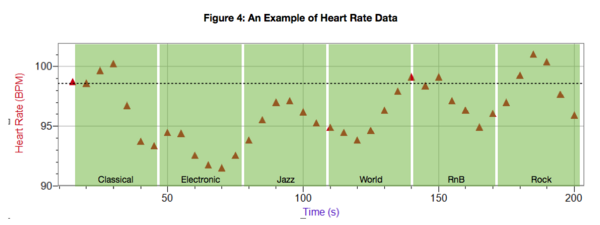
People react to music by moving and dancing. This study examined if different types of music were correlated with higher heart rates and if this was at all affected by music preferences.
Read More...Does Music Directly Affect a Person’s Heart Rate?
People react to music by moving and dancing. This study examined if different types of music were correlated with higher heart rates and if this was at all affected by music preferences.
Read More...Does Gaming Improve Cognitive Skills?
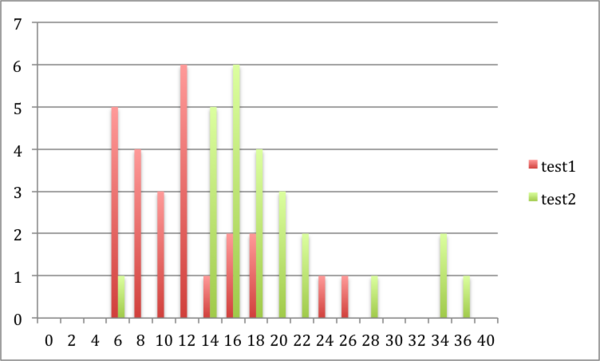
Playing video games may improve mental performance by encouraging practicing logical reasoning skills. Students who played video games in between two tests tended to perform better on the second test than those that did not play video games.
Read More...Towards an Integrated Solution for Renewable Water and Energy
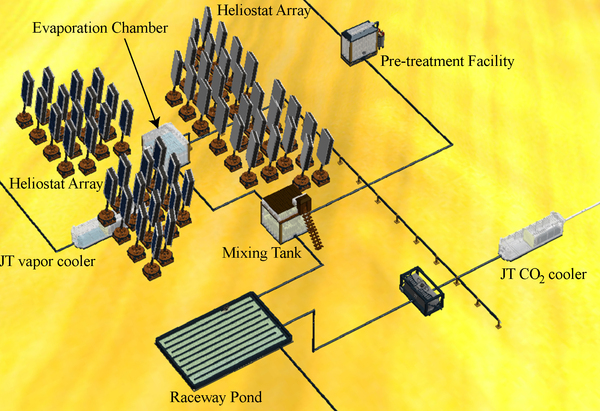
An integrated plant that would generate energy from solar power and provide clean water would help solve multiple sustainability issues. The feasibility of such a plant was investigated by looking at the efficacy of several different modules of such a plant on a small scale.
Read More...Focusing Sound Waves Using a Two-Dimensional Non-Linear System
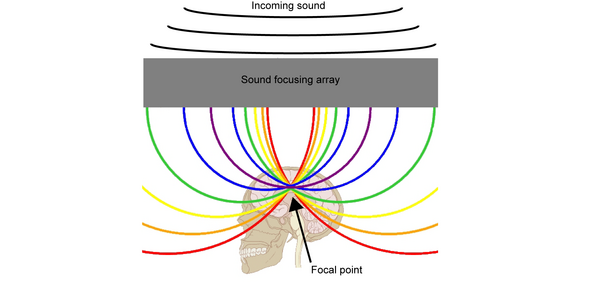
Sound waves can be amazingly powerful, especially when they work together. Here the authors create an “acoustic lens” that focuses sound waves on a single location. This makes the sound waves very powerful, capable of causing damage at a precise point. In the future, acoustic lenses like this could potentially be used to treat cancer by killing small tumors without surgery.
Read More...More Efficient Helicopter Blades Based on Whale Tubercles
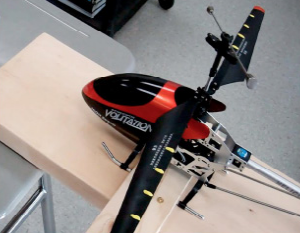
Biomimicry is the practice of applying models and systems found in nature to improve the efficiency and usefulness of human technologies. In this study, the authors designed helicopter blades with tubercle structures similar to those found on the tails of humpback whales. The authors found that certain arrangements of these tubercle structures improved the windspeed and efficiency of a model helicopter.
Read More...The Effect of UV Treatment on the Degradation of Compostable Polylactic Acid
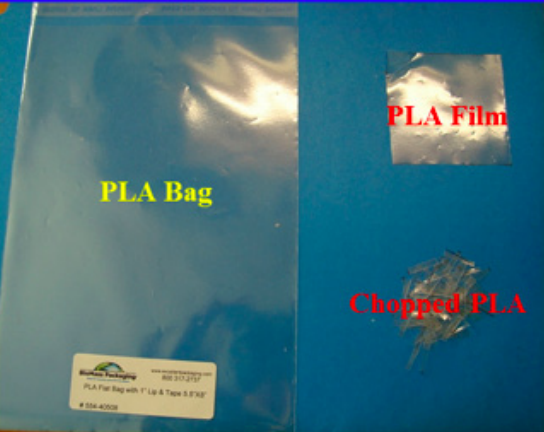
Polylactic acid (PLA) is a bio-based, compostable plastic that is comparable in cost to petroleum-based plastics. This study aims to evaluate the effects of UV treatment and mechanical chopping on the degradation of PLA. Based on their findings, the authors propose an alternative PLA degradation process that may be more time and energy efficient than current processes.
Read More...A Phylogenetic Study of Conifers Describes Their Evolutionary Relationships and Reveals Potential Explanations for Current Distribution Patterns
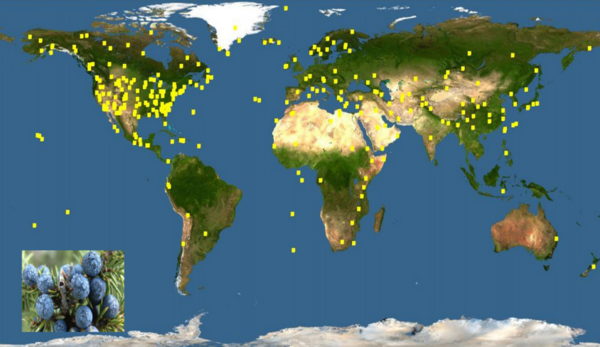
Many species of trees are distributed widely around the world, though not always in a way that makes immediate sense. The authors here use genetic information to help explain the geographic distribution of various conifer species throughout the world.
Read More...Which Diaper is More Absorbent, Huggies or Pampers?
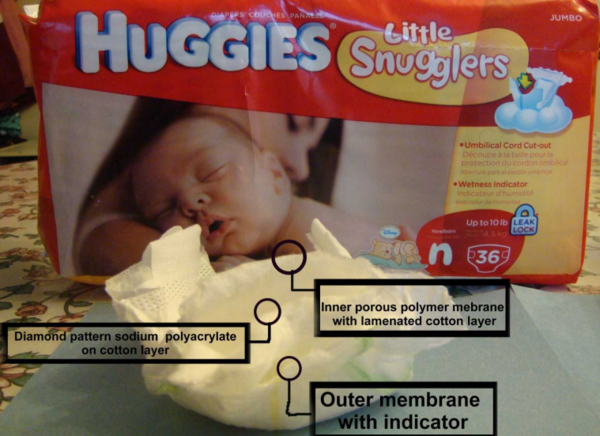
The authors here investigate the absorbency of two leading brands of diapers. They find that Huggies Little Snugglers absorb over 50% more salt water than Pampers Swaddlers, although both absorb significantly more fluid than what an average newborn can produce.
Read More...Effect of Collagen Gel Structure on Fibroblast Phenotype
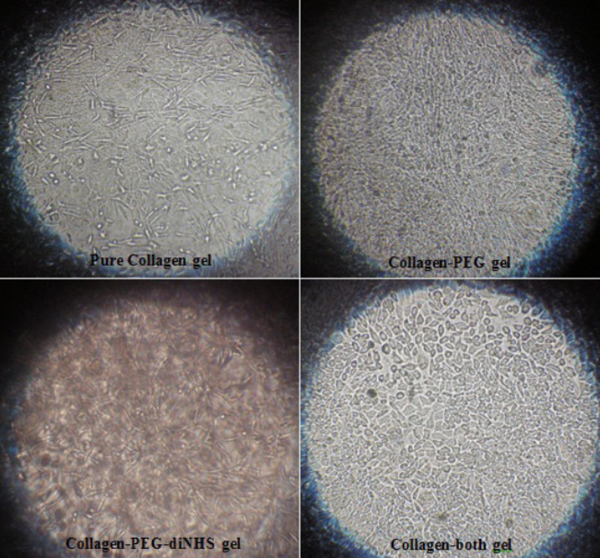
Environment affects the progression of life, especially at the cellular level. This study investigates multiple 3-dimensional growth environments, also known as scaffolds or hydrogels, and their effect on the growth of a type of cells called fibroblasts. These results suggest that a scaffold made of collagen and polyethylene glycol are favorable for cell growth. This research is useful for developing implantable devices to aid wound healing.
Read More...Regenerative Effects of Turmeric and Alpha-Lipoic Acid in Lumbriculus variegatus
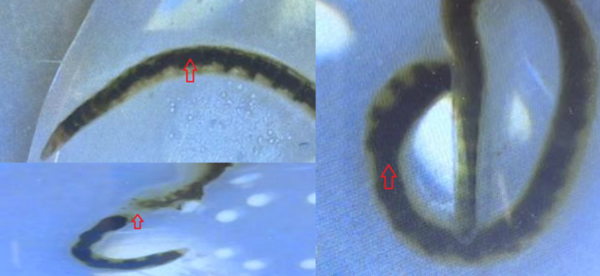
This study examines the effects of tumeric, and alph-lipoic acid on segment regeneration and cardiovascular pulse rate, using the California blackworm. Results can ultimately demonstrate potential natural compounds for tissue repair and their effect on physiological activity.
Read More...