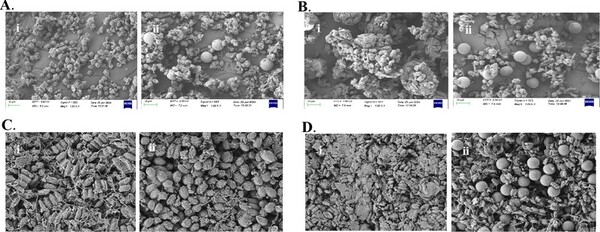
The authors test the effect of petroleum-based and bio-based microplastics on the growth of two microalgae species.
Read More...Differential physiological response of microalgae exposed to petroleum- and bio-based microplastics
The authors test the effect of petroleum-based and bio-based microplastics on the growth of two microalgae species.
Read More...Investigating sustainable insulation materials: Analysis of biofoams and petroleum-derived foams
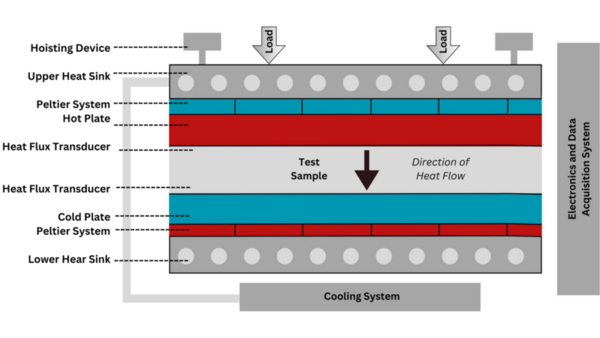
The authors looked into eco-friendly alternatives for insulating material. They ultimately found that a polyurethane derived from eggshells was an effective insulator and further research into it is warranted.
Read More...Investigating Lemna minor and microorganisms for the phytoremediation of nanosilver and microplastics
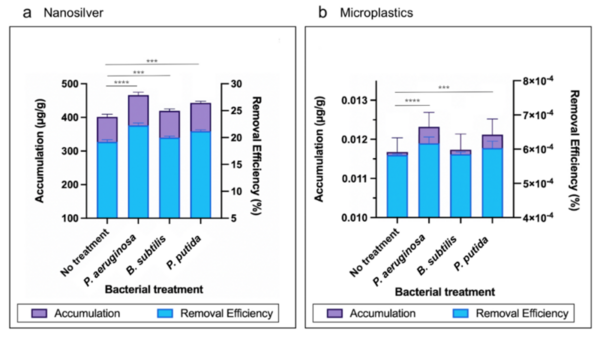
The authors looked at phytoremediation, the process by which plants are used to remove pollutants from our environment, and the ability of Lemna minor to perform phytoremediation in various simulated polluted environments. The authors found that L. minor could remove pollutants from the environment and that the addition of bacteria increased this removal.
Read More...Suppress that algae: Mitigating the effects of harmful algal blooms through preemptive detection & suppression
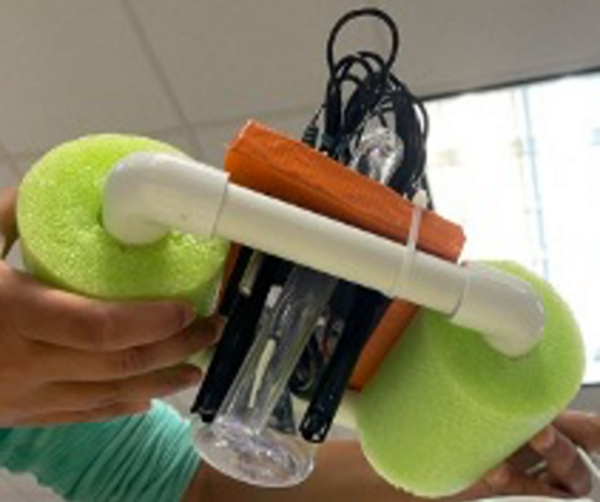
A bottleneck in deleting algal blooms is that current data section is manual and is reactionary to an existing algal bloom. These authors made a custom-designed Seek and Destroy Algal Mitigation System (SDAMS) that detects harmful algal blooms at earlier time points with astonishing accuracy, and can instantaneously suppress the pre-bloom algal population.
Read More...Mapping equity in California K-12 school solar adoption using computer vision
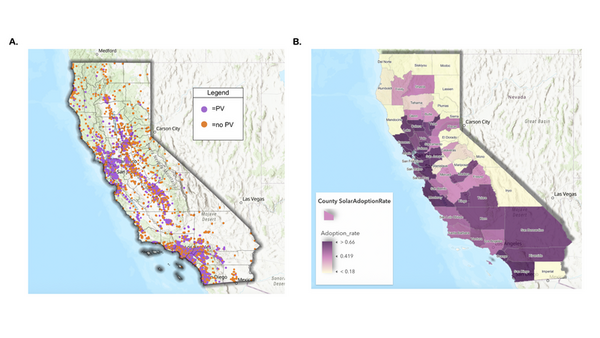
The authors investigated adoption rates of solar photovoltaic power at K-12 schools in California.
Read More...Upward social comparison on standardized test performance in adolescents and adults
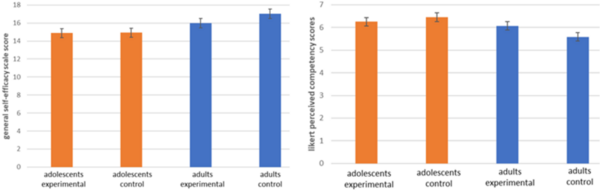
The authors test the effect of test score comparison on the self-efficacy of adolescents versus adults.
Read More...Simulating natural selection via autonomous agents: Environmental factors create unstable equilibria
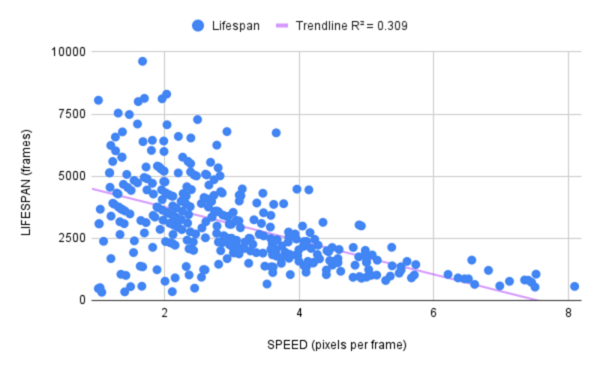
Natural selection shapes the evolution of all organisms, and one question of interest is whether natural selection will reach a "stopping point": a stable, ideal, value for any particular trait. Madhan and Kanagavel tackle this question by building a computer simulation of trait evolution in organisms.
Read More...Behaviors and attitudes concerning disposable masks and the environment: A D.C. high school case study

The authors looked at student behaviors around disposal of face masks. The goal of the study was to bring awareness to improper mask disposal and how the resulting litter contributes to overall environmental pollution.
Read More...Synthetic auxin’s effect on root hair growth and peroxisomes in Arabidopsis thaliana
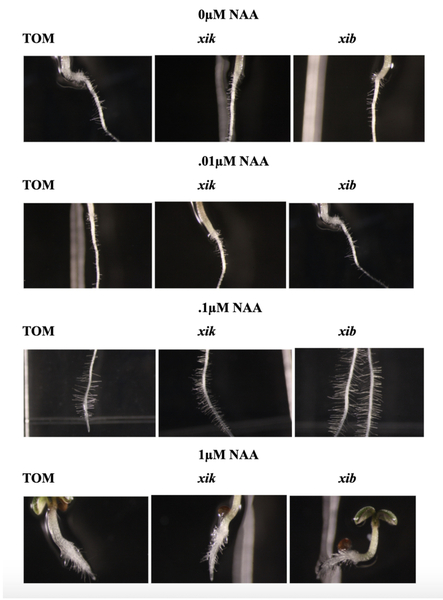
The authors looked at the ability of synthetic auxin to increase root hair growth in Arabidopsis thaliana. They found that 0.1 µM synthetic auxin significantly increased root hair length, but that 0.01 µM and 1 µM did not have any significant effect.
Read More...Legacy mercury, reservoir dynamics, and dredging effects on methylmercury in San Francisco Bay
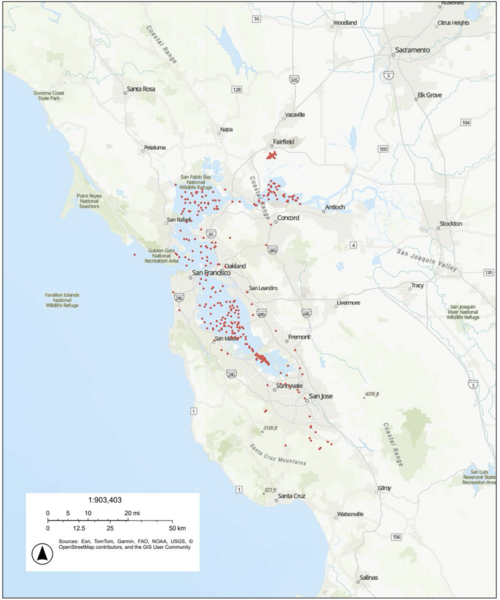
This study analyzes over two decades of monitoring data (1999-2022) to investigate how legacy mining, reservoir water releases, and dredging activities influence toxic methylmercury (MeHg) levels in San Francisco Bay. The findings reveal a significant delayed correlation between river flow and San Francisco Bay MeHg, and counter to the authors' hypothesis, a strong association between increased MeHg concentrations in the bay and both total annual dredging volume and beneficial sediment reuse / upland sediment disposal.
Read More...