Nonalcoholic Fatty Liver Disease (NAFLD) is a condition where a surplus of triglycerides or fat are present in the liver. In this study, ezetimibe, a cholesterol lowering drug, was used to treat flies modeling NAFLD. Compared to the coconut oil fed flies that were transferred to the control medium, the flies transferred to the control medium treated with ezetimibe showed a decrease in their triglyceride and alanine transaminase level.
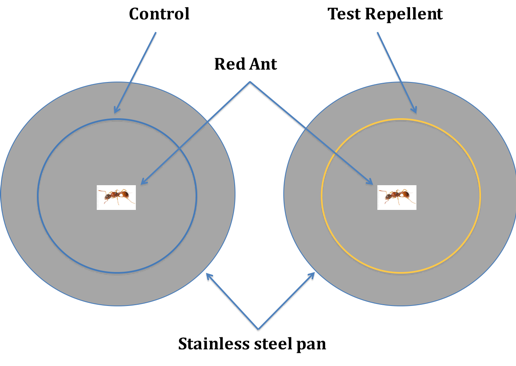
Ant invasion causes damage exceeding $5 billion annually in North America. In this study, Ambati and Duvvuri aim to identify natural products with ant-repelling properties using a custom ring apparatus designed to quantify ant-repellence. They report that cinnamon and lemon were the most effective ant repellents of the tested products. These data suggest that compounds found in non-toxic household products, such as cinnamon oil and lemon juice, could be used in low-dose combinations as potent, effective, eco-friendly, and safe ant repellents.
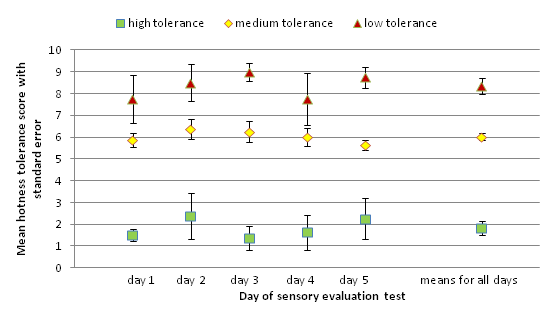
Cuisine with hot chili peppers can be tasty, but sometimes painful to consume because of the burning sensations caused by the capsaicin molecule. The authors wanted to find the palate reliever that decreases the burning sensation of capsaicin the most by testing water, soft drink, olive oil, milk, and ice-cream as possible candidates. The authors hypothesized that olive oil would be the best palate reliever as it is non-polar like the capsaicin molecule. The authors surveyed 12 panelists with low, medium, and high spice tolerances and found that across all levels of spice tolerance, milk and ice-cream were the best palate relievers and soft drink the worst.
Here, the authors investigated the ability to use fruit peels to help soil retain moisture, a property that is essential to agriculture. Across a 96-hour observation period, orange, banana, and kiwi peel water emulsions were evaluated for their effects on soil moisture. They found that orange peels retained the most moisture, but banana and kiwi peels also offered improvements over their control sample.
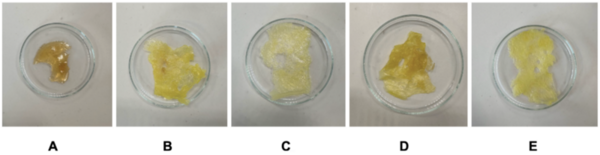
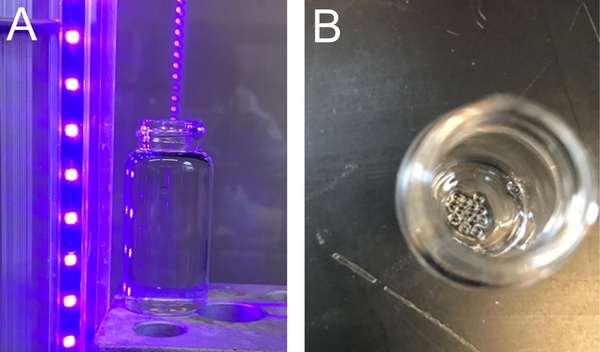
Superabsorbent beads are remarkable, used throughout our daily lives for various practical applications. These beads, as suggested by their name, possess a unique ability to absorb and retain large quantities of liquids. This characteristic of absorbency makes them essential throughout the medical field, agriculture, and other critical industries as well as in everyday products. To create these beads, the process of photopolymerization is fast growing in favor with distinct advantages of cost efficiency, speed, energy efficiency, and mindfulness towards the environment. In this article, researchers explore the pairing of cheap monomers with accessible equipment for creation of superabsorbent beads via the photopolymerization process. This research substantially demonstrates the successful application of photopolymerization in producing highly absorbent beads in a low-cost context, thereby expanding the accessibility of this process for creating superabsorbent beads in both research and practical applications.
The authors analyzed biosolids from five Wisconsin wastewater treatment plants and suggest using KBr pellet FTIR as a simple and rapid method to start characterizing P species in biosolids.
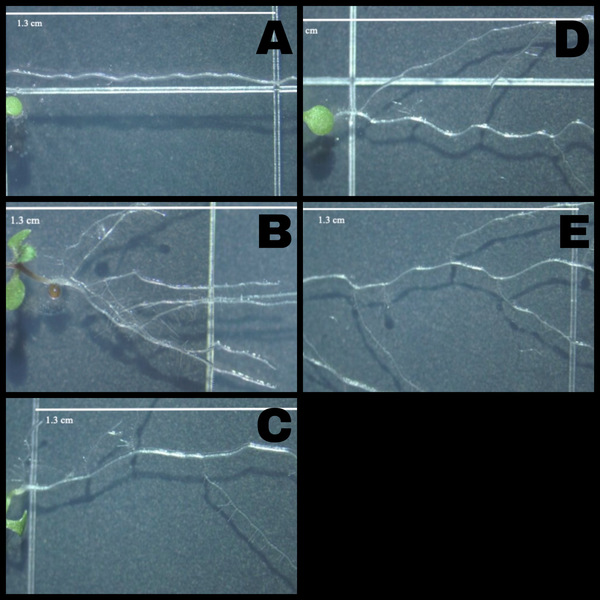
The use of fertilizers is associated with an increase in soil degradation, which is predicted to lead to a decrease in crop production within the next decade. Thus, it is critical to find solutions to support crop production to sustain the robust global population. In this study, the authors investigate how probiotic bacteria, like Rhizobium leguminosarum, Bacillus subtilis and Pseudomonas fluorescens, can impact the growth of Arabidopsis thaliana when applied to the seeds.They hypothesized that solutions with multiple bacterial species compared to those with only a single bacterial species would promote seed germination more effectively.
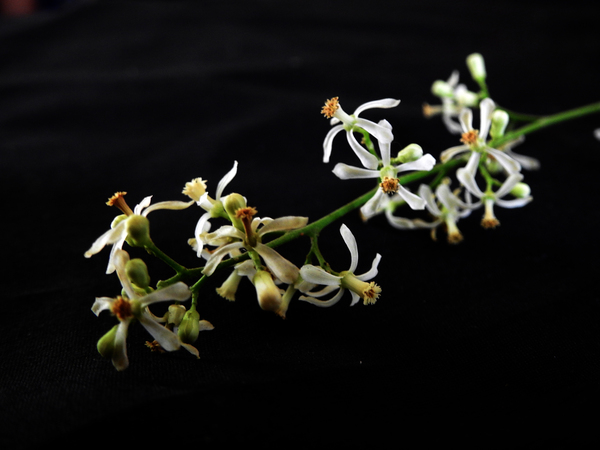
Nosocomial infections acquired in hospitals pose a risk to patients, a risk compounded by resistant microorganisms. To combat this problem, researchers have turned to bioactive compounds from medicinal plants such as the widely used neem. In the present study, researchers sought to determine the effectiveness of different neem preparations against several hospital acquired human pathogens. Neem powder in water successfully inhibited microorganism growth making it a potential agent to combat these infections.