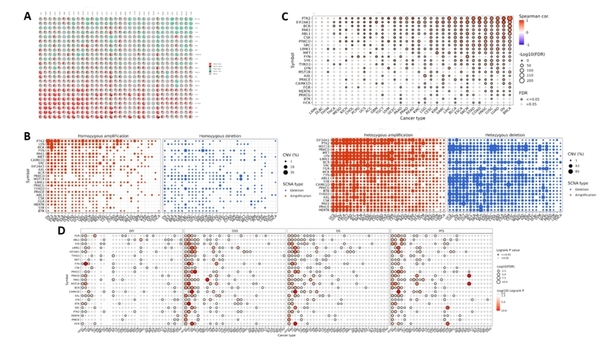
This study analyzes genetic alterations and expression patterns of protein kinases involved in phagocytosis across multiple cancers using TCGA data.
Read More...Protein kinases in phagocytosis (phagocytotic kinome): A promising biomarker set in cancer therapeutics
This study analyzes genetic alterations and expression patterns of protein kinases involved in phagocytosis across multiple cancers using TCGA data.
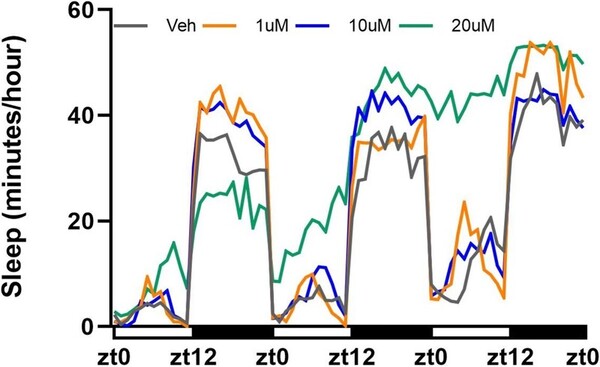
Read More...Dantrolene-induced ER stress alters sleep in Drosophila melanogaster
Design and in silico screening of analogs of rilpivirine as novel non-nucleoside reverse transcriptase inhibitors (NNRTIs) for antiretroviral therapy
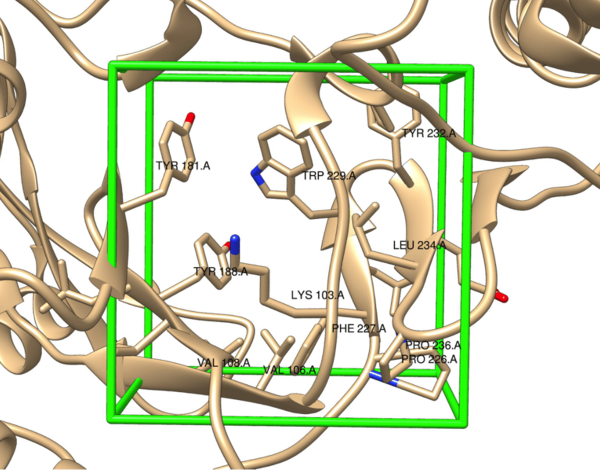
In this study, the authors use high-throughput virtual screening to design and evaluate a set of non-nucleoside reverse transcriptase inhibitors for binding affinity to the protein reverse transcriptase. These studies have important applications toward HIV therapies.
Read More...Investigating the Role of the Novel ESCRT-III Recruitment Factor CCDC11 in HIV Budding: A Potential Target for Antiviral Therapy
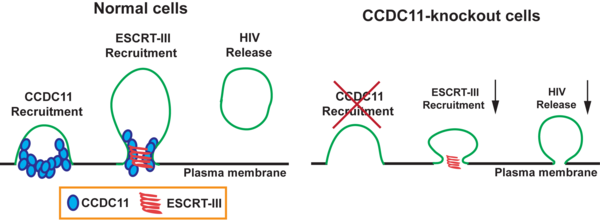
Acquired immunodeficiency syndrome (AIDS) is a life-threatening condition caused by the human immunodeficiency virus (HIV). In this work, Takemaru et al explored the role of Coiled-Coil Domain-Containing 11 (CCDC11) in HIV-1 budding. Their results suggest that CCDC11 is critical for efficient HIV-1 budding, potentially indicating CCDC11 a viable target for antiviral therapeutics without major side effects.
Read More...Astragalus membranaceus Root Concentration and Exposure Time: Role in Heat Stress Diminution in C. elegans

In this study, the authors investigated the biological mechanism underlying the actions of a traditional medicinal plant, Astragalus membranaceus. Using C. elegans as an experimental model, they tested the effects of AM root on heat stress responses. Their results suggest that AM root extract may enhance the activity of endogenous pathways that mediate cellular responses to heat stress.
Read More...The effect of bioenhancers on ampicillin-sulbactam as a treatment against A. baumannii
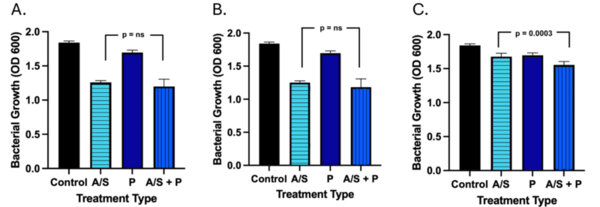
This article explores the potential of piperine, a bioenhancer from black pepper, to improve antibiotic efficacy against antibiotic-resistant Acinetobacter baumannii. By combining piperine with ampicillin-sulbactam, the study demonstrated a significant reduction in bacterial growth for most strains tested, showcasing the promise of bioenhancers in combating resistant pathogens. This research highlights the possibility of reducing the required antibiotic dosage, potentially offering a new strategy in the fight against drug-resistant bacteria.
Read More...Quantitative analysis and development of alopecia areata classification frameworks
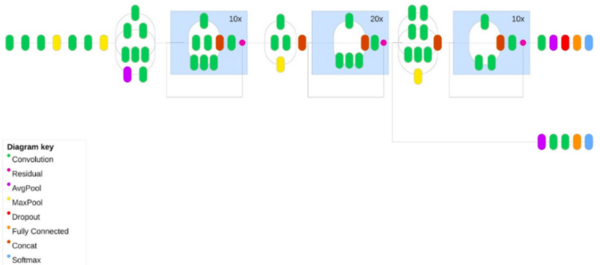
This article discusses Alopecia areata, an autoimmune disorder causing sudden hair loss due to the immune system mistakenly attacking hair follicles. The article introduces the use of deep learning (DL) techniques, particularly convolutional neural networks (CNN), for classifying images of healthy and alopecia-affected hair. The study presents a comparative analysis of newly optimized CNN models with existing ones, trained on datasets containing images of healthy and alopecia-affected hair. The Inception-Resnet-v2 model emerged as the most effective for classifying Alopecia Areata.
Read More...The effects of a high-sucrose diet on the survival of Drosophila melanogaster from a bacterial infection
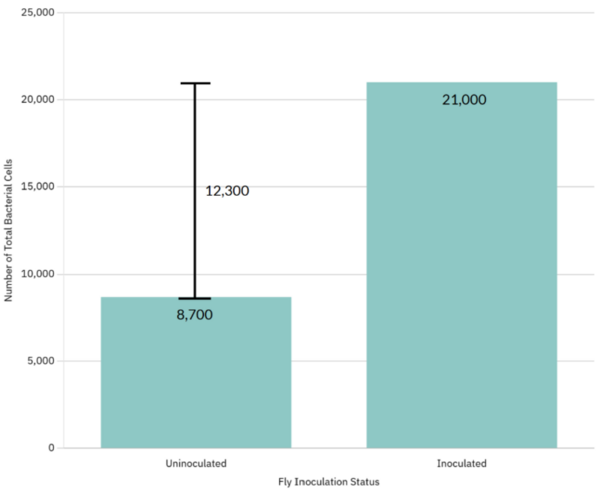
Excess sucrose consumption has been associated with several health problems, including inflammation and potential negative effects on immune function. However, the exact relationship between sucrose intake and immunity remains unclear, especially during bacterial infections. This study examined how sucrose intake affected the survival of fruit flies following oral infection with the bacterial pathogen Serratia marcescens.
Read More...Immunogenicity of Minhai 13-valent pneumococcal polysaccharide conjugate vaccine in experimental mice
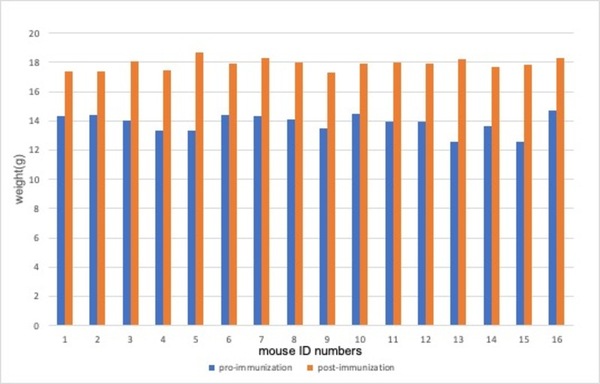
The authors looked at the immunogenicity of a newly developed pneumococcal conjugate vaccine compared to a previously developed one. They found the newly developed vaccine did elicit an immune response.
Read More...Virtual Screening of Cutibacterium acnes Antibacterial Agent Using Natural Compounds Database
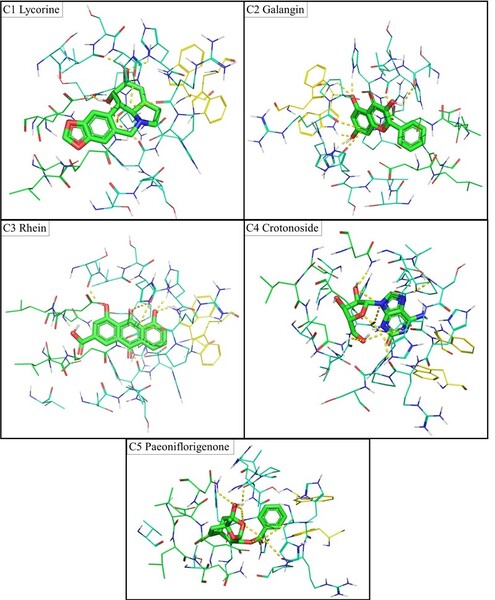
A common form of Acne is caused by a species of bacterium called Cutibacterium acnes. By using a predictive algorithm and structural analysis, the authors identified 5 small molecules with high affinity to growth factors in Catibacterium acnes. This has potential implications for supplemental skincare products.
Read More...