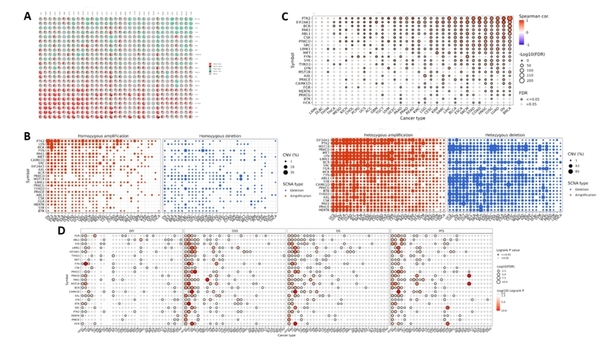
This study analyzes genetic alterations and expression patterns of protein kinases involved in phagocytosis across multiple cancers using TCGA data.
Read More...Protein kinases in phagocytosis (phagocytotic kinome): A promising biomarker set in cancer therapeutics
This study analyzes genetic alterations and expression patterns of protein kinases involved in phagocytosis across multiple cancers using TCGA data.
Read More...The role of CYP46A1 and its metabolic product, 24S-hydroxycholesterol, in Neuro 2A cell death
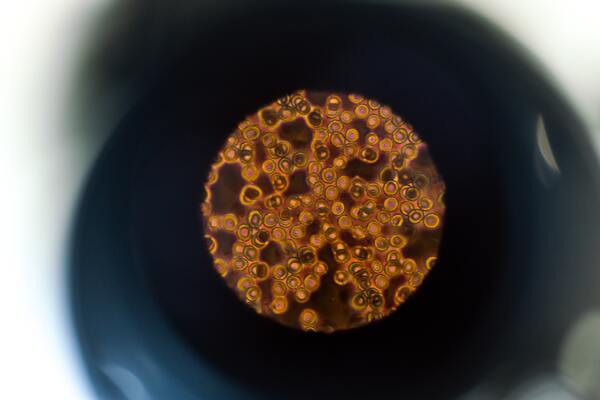
Cholesterol is a major component of neuronal cell membrane and myelin sheath. In this study, the authors either transfected Neuro 2A cells with CYP46A1 cDNA or treated the cells with 24SHC. Cells expressing CYP46A1 had significantly less viability compared to the negative control. Up to 55% reduction in cell viability was also observed in 24S-HC-treated cells. This work supports that CYP46A1 and 24S-HC could directly trigger cell death. The direct involvement of 24S-HC in cell death provides further evidence that 24S-HC can be a promising biomarker for diagnosing brain damage severity.
Read More...The characterization of quorum sensing trajectories of Vibrio fischeri using longitudinal data analytics
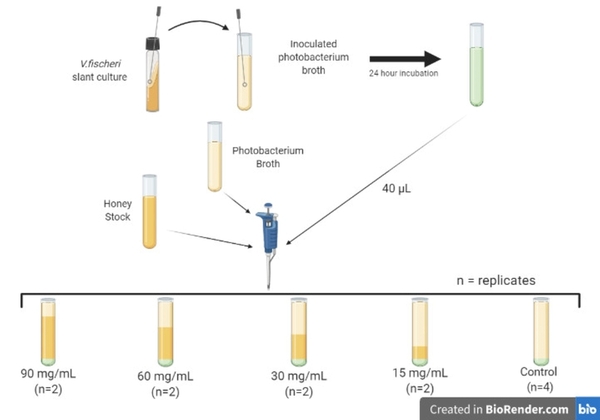
Quorum sensing (QS) is the process in which bacteria recognize and respond to the surrounding cell density, and it can be inhibited by certain antimicrobial substances. This study showed that illumination intensity data is insufficient for evaluating QS activity without proper statistical modeling. It concluded that modeling illumination intensity through time provides a more accurate evaluation of QS activity than conventional cross-sectional analysis.
Read More...A novel approach for predicting Alzheimer’s disease using machine learning on DNA methylation in blood
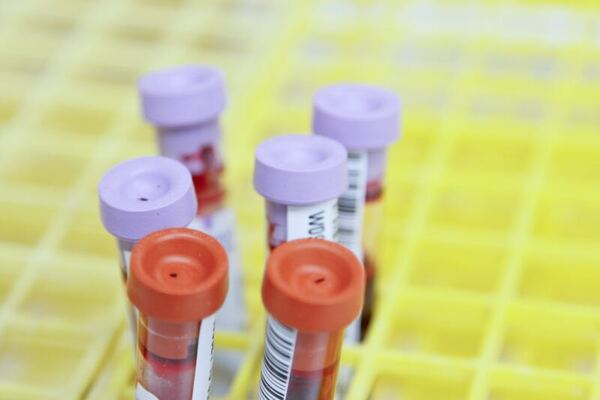
Here, recognizing the difficulty associated with tracking the progression of dementia, the authors used machine learning models to predict between the presence of cognitive normalcy, mild cognitive impairment, and Alzheimer's Disease, based on blood DNA methylation levels, sex, and age. With four machine learning models and two dataset dimensionality reduction methods they achieved an accuracy of 53.33%.
Read More...Developing novel plant waste-based hydrogels for skin regeneration and infection detection in diabetic wounds
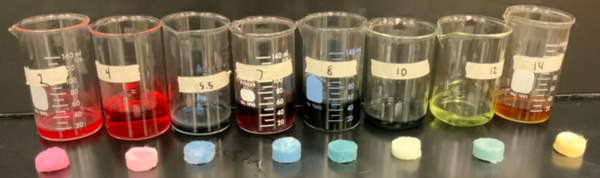
The purpose of this investigation is to develop a hydrogel to aid skin regeneration by creating an extracellular matrix for fibroblast growth with antibacterial and infection-detection properties. Authors developed two natural hydrogels based on pectin and potato peels and characterized the gels for fibroblast compatibility through rheology, scanning electron microscopy, swelling, degradation, and cell cytotoxicity assays. Overall, this experiment fabricated various hydrogels capable of acting as skin substitutes and counteracting infections to facilitate wound healing. Following further testing and validation, these hydrogels could help alleviate the 13-billion-dollar financial burden of foot ulcer treatment.
Read More...