Browse Articles

Interaction of light with water under clear and algal bloom conditions

Ramesh et al. | Feb 01, 2024

Interaction of light with water under clear and algal bloom conditions
Image credit: Liz Harrell

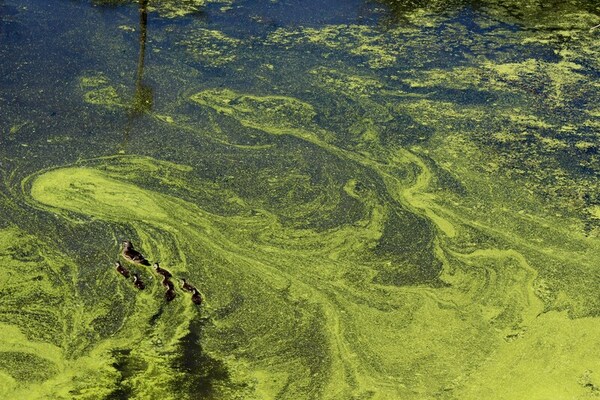
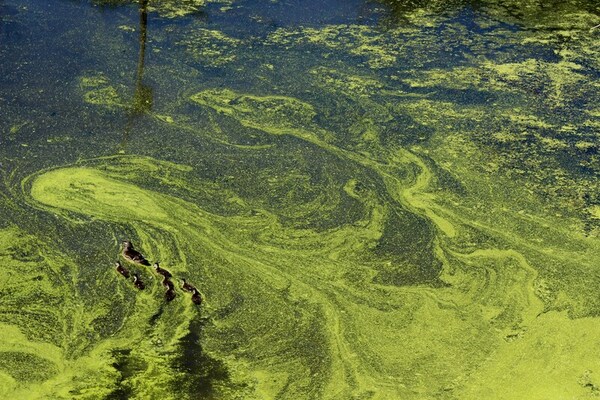
Here, recognizing the potential harmful effects of algal blooms, the authors used satellite images to detect algal blooms in water bodies in Wyoming based on their reflectance of near infrared light. They found that remote monitoring in this way may provide a useful tool in providing early warning and advisories to people who may live in close proximity.

Read More...
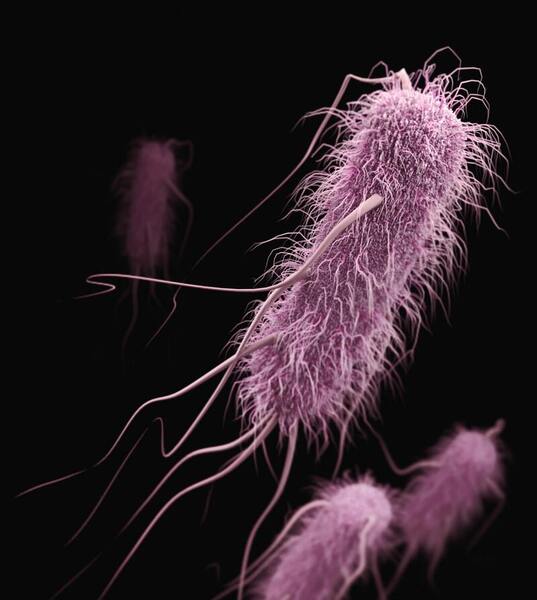
How CAFOs affect Escherichia coli contents in surrounding water sources

Lieberman et al. | Feb 24, 2023

How CAFOs affect <i>Escherichia coli</i> contents in surrounding water sources
Image credit: CDC

Commercial Concentrated Animal Feeding Operations (CAFOs) produce large quantities of waste material from the animals being housed in them. These feedlots found across the United States contain livestock that produce waste that results in hazardous runoff. This study examines how CAFOs affect water sources by testing for Escherichia Coli (E. coli) content in bodies of water near CAFOs.

Read More...

Effects of spices on rice spoilage

Govindaraj et al. | Aug 15, 2022

Effects of spices on rice spoilage

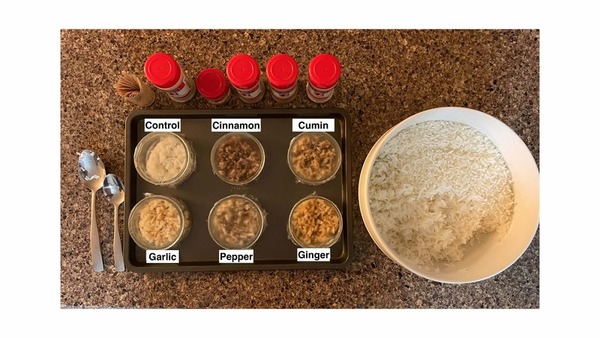
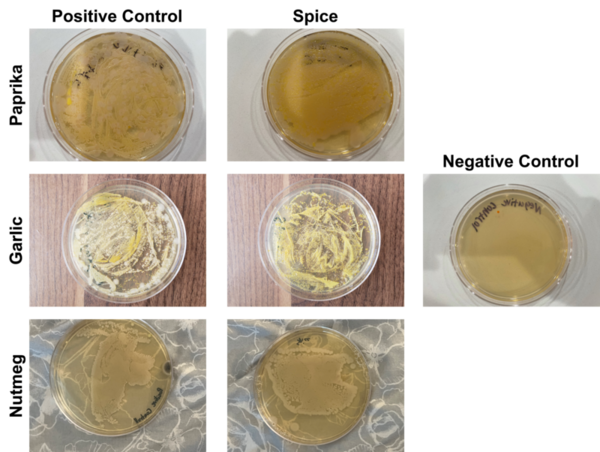
In this work, based on centuries of history where spices have been used and thought to have antimicrobial properties that prolong the shelf life of food, the authors investigated if several spices used in Indian cooking could delay the spoilage of cooked white rice. Based on changed in appearance and smell, as well as growth on agar plates, they found that cinnamon was the most effective in delaying spoilage, followed by cumin, pepper, garlic, and ginger. Their findings suggest the ability to use spices rather than chemical food preservatives to prolong the shelf life of foods.

Read More...

Quantitatively evaluating changes in art critique journals’ use of moral language across time

Chang et al. | Oct 23, 2026

Quantitatively evaluating changes in art critique journals’ use of moral language across time
Image credit: Chang and Mahmoud

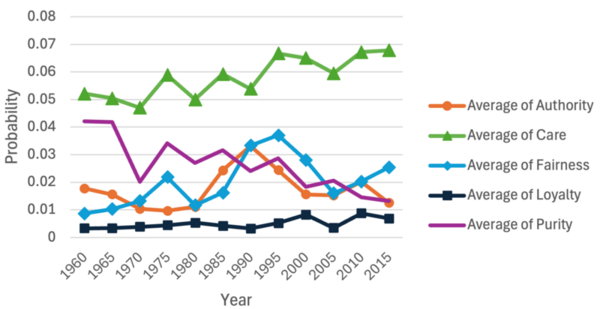
The authors use MoralBERT, a BERT-based machine learning model, to analyze the prevalence and evolution of moral language in art critique journals from 1960 to 2015. They draw on Moral Foundations Theory to examine changes in five virtue and five vice foundations over time. They discover slight increases in degradation and care and a decrease in purity among otherwise stable patterns. The study is a novel application of computational moral analysis in a domain not typically associated with such tools. Although the moral signals were relatively faint, the study offers insights into shifting art world discourses and models an exciting method for future inquiry.

Read More...

Mitigation of ultraviolet solar radiation involving calcite

Nare et al. | Oct 10, 2026

Mitigation of ultraviolet solar radiation involving calcite

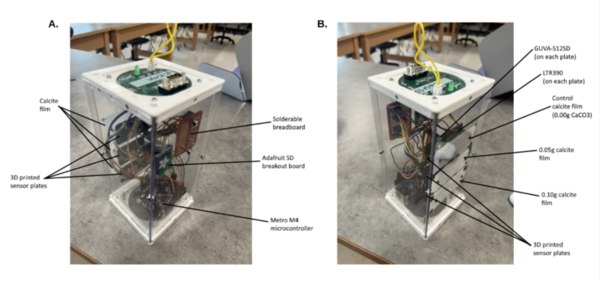
This study tested whether calcite, a safe and naturally occurring mineral, can block ultraviolet (UV) radiation when used in solar geoengineering. Students launched a high‑altitude balloon carrying UV sensors and calcite‑coated sheets to measure how much UV light passed through different calcite concentrations. Their results showed that calcite significantly reduces UV transmission, suggesting it may be a promising material for future stratospheric aerosol injection to help mitigate climate change.

Read More...

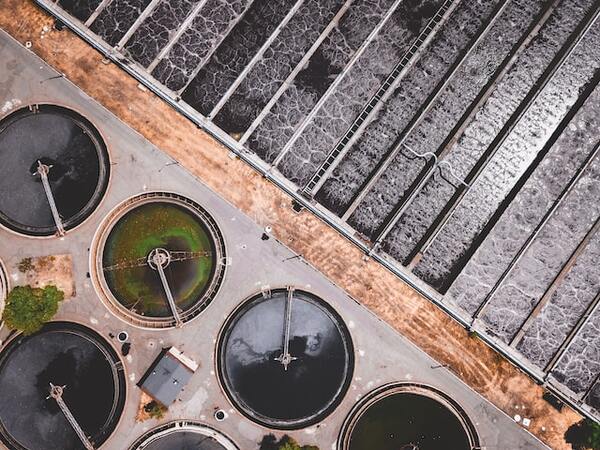
Increased survival of aquatic life through algal pretreatment of nitrate-contaminated runoff

Venkat et al. | Sep 12, 2026

Increased survival of aquatic life through algal pretreatment of nitrate-contaminated runoff
Image credit: Liz Harrell

Here the authors investigated the effectiveness of algal pretreatment in reducing nitrate toxicity and extending the survival of fish in contaminated river water. Their findings demonstrate that treating nitrate-polluted water with algae extended fish survival by up to 50%, suggesting that algae could serve as a valuable tool for mitigating the destructive impacts of agricultural and industrial runoff on aquatic ecosystems.

Read More...

Integration of iron oxide nanoparticles into high-density polyethylene for sustainable cup coatings

Atmadja et al. | Jul 08, 2026

Integration of iron oxide nanoparticles into high-density polyethylene for sustainable cup coatings

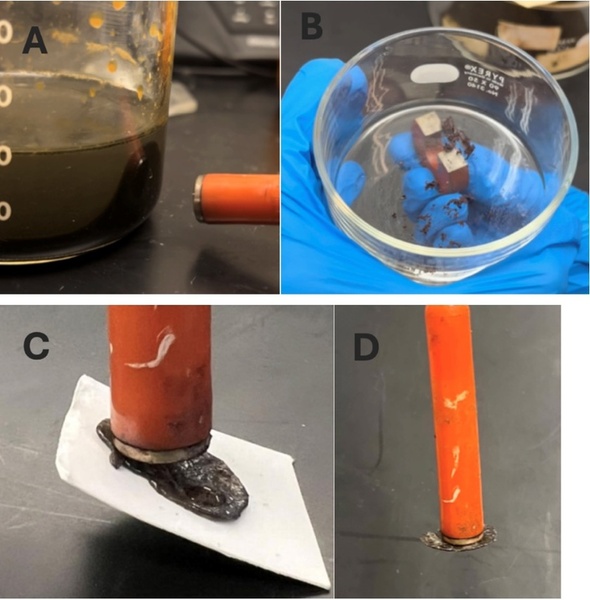
Here the authors propose integrating magnetic iron (II) oxide nanoparticles into the high-density polyethylene linings of disposable paper cups to create a waterproof, magnetically responsive composite liner. Their findings demonstrate that these nanoparticles successfully bond with the plastic layer without disrupting its structural integrity, offering a viable method to improve plastic recovery through magnetic recycling and mitigate global microplastic pollution.

Read More...