Browse Articles

Retinal biomarkers for the detection of neurological disease using deep learning

Kim et al. | Sep 04, 2026

Retinal biomarkers for the detection of neurological disease using deep learning

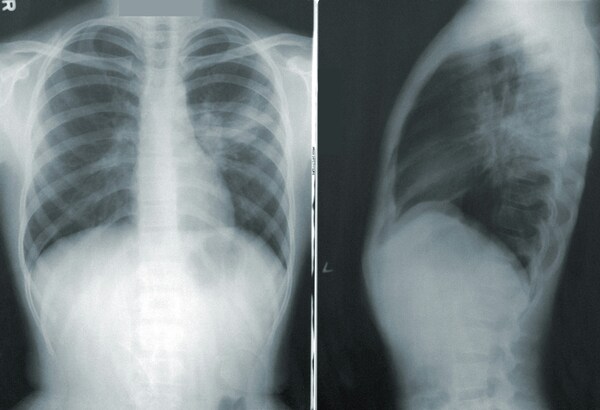
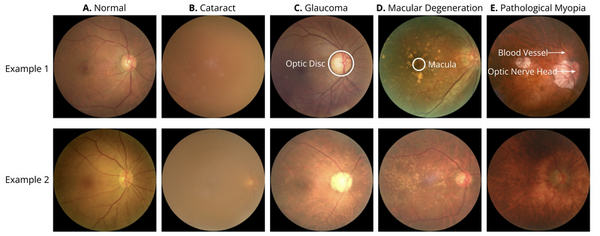
The authors looked at whether retinal features, specifically lens clarity, optic nerve cupping, and hyperreflective foci, can serve as biomarkers for neuro-ophthalmological diseases, which share pathological mechanisms with neurodegeneration and may indicate broader neurological risk. Using multimodal clinical data and machine learning, they investigated the potential of retinal imaging as a complementary diagnostic tool for more accurate and accessible detection of neurological disorders.

Read More...
Global trends in total cholesterol by gender (1980-2018)

Qi et al. | Aug 24, 2026

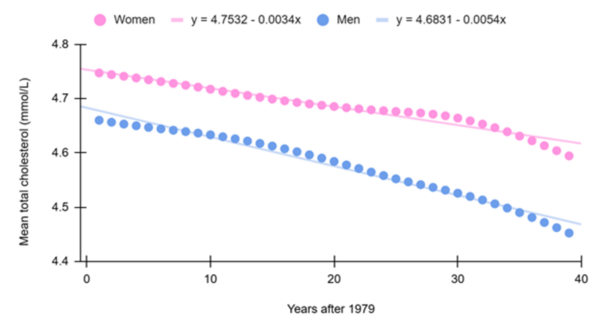
Global trends in total cholesterol by gender (1980-2018)

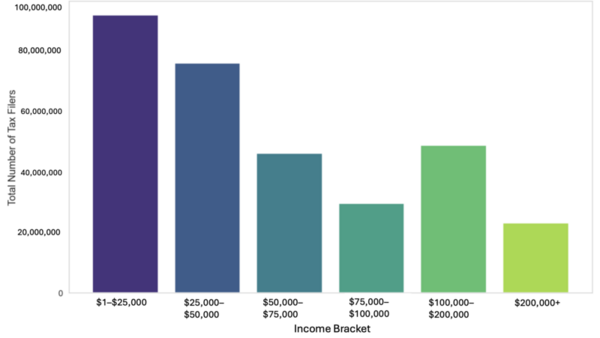
This study explores global trends in average total cholesterol levels among adults from 1980 to 2018, finding a significant decline in both men and women, with a sharper decrease among men. While these improvements likely reflect advances in public health and medical treatment, the persistent gender gap highlights the need for more targeted approaches to cardiovascular disease prevention.

Read More...

Testing the Impact of a Geometric Curvature Variable on the Accuracy of Econometric Forecasting Models

Punatar et al. | Jul 26, 2026

Testing the Impact of a Geometric Curvature Variable on the Accuracy of Econometric Forecasting Models

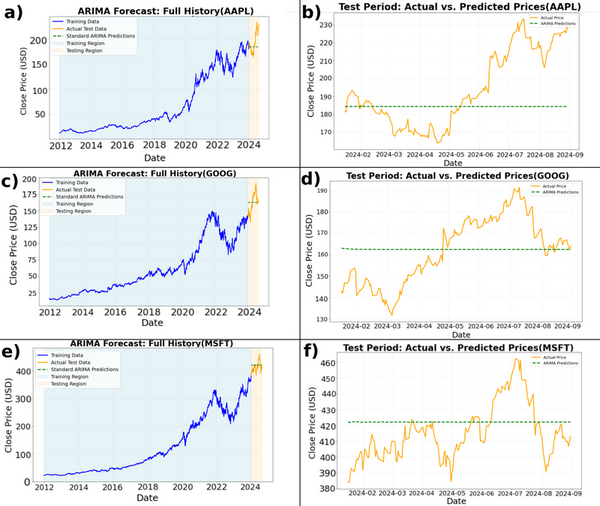
Classical financial forecasting models often fail to capture the complex, nonlinear dynamics of the stock market. This study demonstrates that incorporating a single variable to represent the 'geometric curvature' of a time series dramatically improves the accuracy of standard econometric forecasts. Our findings highlight that geometric properties are a significant predictive factor, opening new avenues for more powerful financial modeling.

Read More...

Comparative study on three machine learning models in novel autonomous drone-based detection of invasive plant Brassica nigra

Ho et al. | Jul 05, 2026

Comparative study on three machine learning models in novel autonomous drone-based detection of invasive plant <em>Brassica nigra</em>

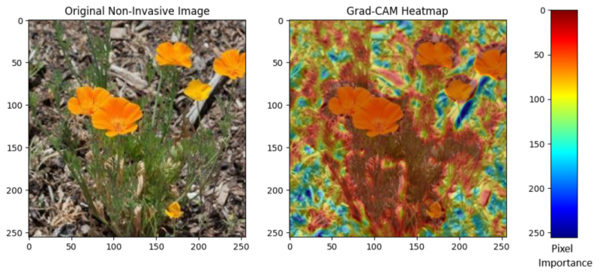
Autonomous drone imaging combined with machine learning offers a promising approach for early detection of invasive species. In this study, students built an autonomous drone and compared three models: CNN, SGDC, and XGBoost, to identify Brassica nigra from aerial footage. Their results show that CNNs most effectively recognize key visual features, demonstrating strong potential for supporting conservation and invasive plant management.

Read More...

Leveraging transfer learning with convolutional neural networks for cardiovascular disease detection

Chen et al. | May 25, 2026

Leveraging transfer learning with convolutional neural networks for cardiovascular disease detection
Image credit: Stephen Andrews

This study shows the efficacy of leveraging transfer learning, specifically from residual networks, to detect CVDs and possible signs of CVDs. The findings indicate that leveraging transfer learning from residual networks alongside medical professionals is a highly promising approach for CVD detection and diagnosis, warranting further investigation.

Read More...