Browse Articles

Effect of heme vs. non-heme iron supplements on gut microbiome fitness

Dogra et al. | Nov 07, 2022

Effect of heme vs. non-heme iron supplements on gut microbiome fitness

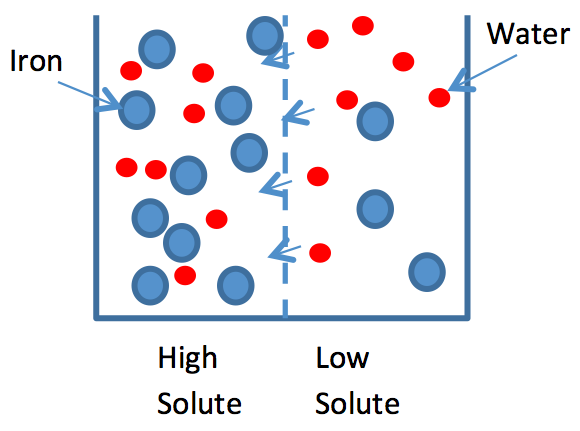
Here, based on identification of iron deficiencies of a majority of people around the world, the authors sought to understand how the two main forms of dietary iron, heme and non-heme, affect the bacteria found in the human gut. by using a cell plate study, they found that bacterial growth increased with increasing concentration os either form of iron, up until the point where the high iron content resulted in cytotoxicity. They suggest this evidence points to the potential dangers of overconsumption of iron.

Read More...

Reddit v. Wall Street: Why Redditors beat Wall Street at its own game

Bhakar et al. | Sep 13, 2022

Reddit v. Wall Street: Why Redditors beat Wall Street at its own game

Here the authors investigated the motivation of a short squeeze of GameStop stock where users of the internet forum Reddit drove a sudden increase in GameStop stock price during the start of 2021. They relied on both qualitative and quantitative analyses where they tracked activity on the r/WallStreetBets subreddit in relation to mentions of GameStop. With these methods they found that while initially the short squeeze was driven by financial motivations, later on emotional motivations became more important. They suggest that social phenomena can be dynamic and evolve necessitating mixed method approaches to study them.

Read More...

Correlation of socioeconomic status and lead concentration in tap water in Missouri

Rabbani et al. | Feb 03, 2022

Correlation of socioeconomic status and lead concentration in tap water in Missouri

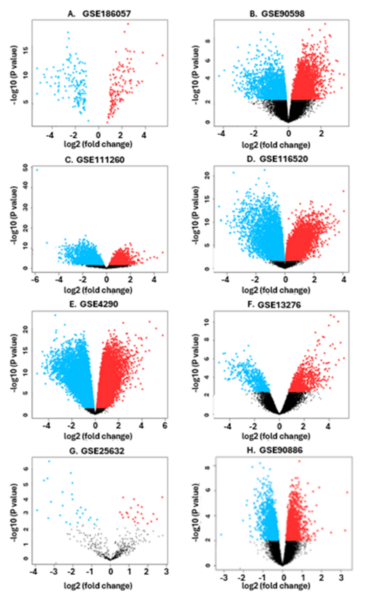
Organic and non-organic contaminants in tap water have been linked to adverse health effects. Tap water is a major source of lead, which is neurotoxic and poses a major health risk, particularly to children and pregnant women. Using publicly available annual water quality reports data for the state of Missouri, the authors show that communities with lower median household income and lower per capita incomes had significantly higher lead levels in their tap water.

Read More...

Vitamin C in Fruits: Does Organic Make a Difference?

Mulukutla et al. | Sep 21, 2015

Vitamin C in Fruits: Does Organic Make a Difference?

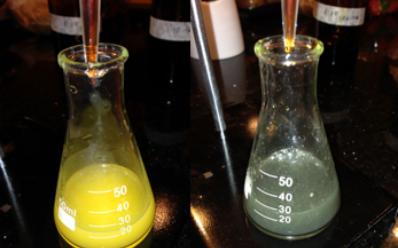
Vitamin C is an essential nutrient that is involved in many important cellular processes. Humans are unable to produce Vitamin C and thus must obtain it from exogenous sources such as citrus fruits, peppers, or flowering vegetables. In this study, the authors investigate whether or not organic and non-organic fruits have comparable vitamin C levels. This type of study has important implications for consumers.

Read More...

The Effect of Different Concentrations of Iron on the Growth of Egeria (Elodea) Densa

Hu et al. | Jan 08, 2015

The Effect of Different Concentrations of Iron on the Growth of <em>Egeria (Elodea) Densa</em>

Minerals such as iron are essential for life, but too much of a good thing can be poisonous. Here the authors investigate the effect of iron concentrations on the growth of an aquatic plant and find that supplementing small amounts of iron can help, but adding too much can be bad for the plant. These results should help inform decisions on allowable iron concentrations in the environment, aquatic farming, and even home aquariums.

Read More...

What Can You See in the Dark? The Effects of Contrast, Light, and Age on Contrast Sensitivity in Low Light

Virostek et al. | Apr 25, 2014

What Can You See in the Dark? The Effects of Contrast, Light, and Age on Contrast Sensitivity in Low Light

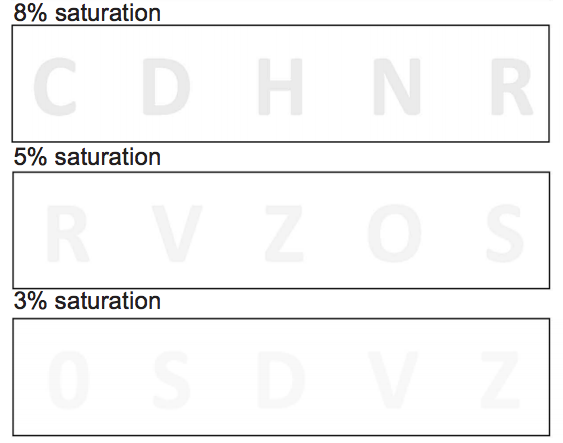
Many of us take our vision for granted, but rarely do we measure how well we can see. In this study, the authors investigate the ability of people of different ages to read progressively fainter letters in dark light. They find that the ability to see in dim light drops drastically after age 30. The ability to read fainter letters worsens after age 30 as well. These findings should help inform lighting decisions everywhere from restaurants to road signs.

Read More...