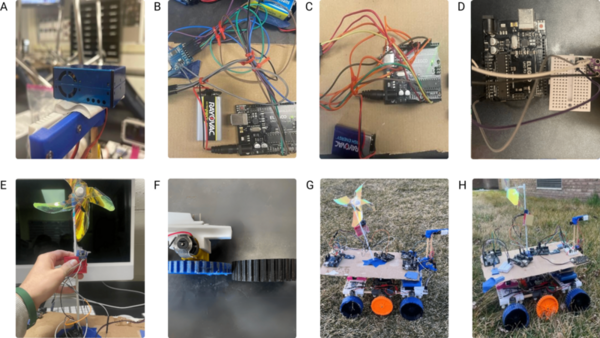
Pediatric asthma remains a significant health issue for Dallas students. This study examined the relationship between microclimatic parameters, vegetation, and pediatric asthma vulnerability (PAV) in urban schools.
Read More...Rover engineered to evaluate impacts of microclimatic parameters on pediatric asthma in Dallas schools
Pediatric asthma remains a significant health issue for Dallas students. This study examined the relationship between microclimatic parameters, vegetation, and pediatric asthma vulnerability (PAV) in urban schools.
Read More...The effect of patient perception of physician on patient compliance
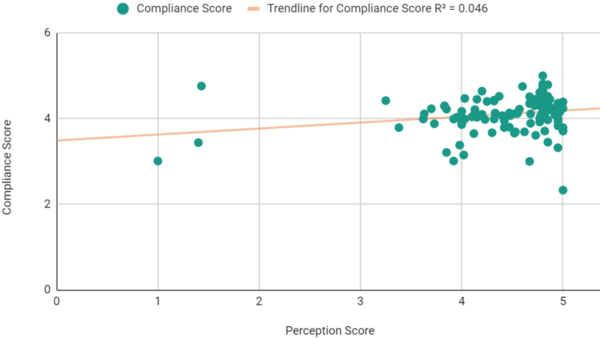
The authors investigated whether the physician-patient relationship affected patient perceptions and treatment adherence.
Read More...School sustainability: The implications of implementing living walls at schools for air purification
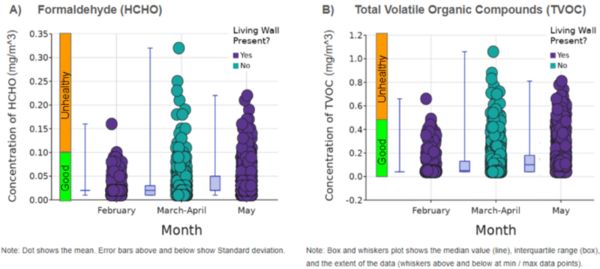
The authors compare air quality in the presence and absence of a living wall in a high school hallway in Brooklyn, NY.
Read More...Identifying 5-hydroxymethylcytosine as a potential cancer biomarker using FFPE DNA samples
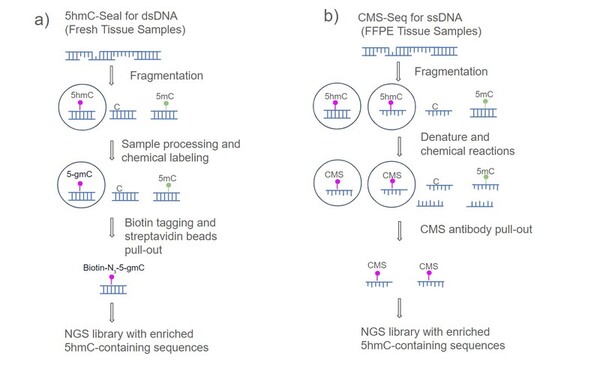
This study used an improved CMS-seq method to profile 5hmC in ormalin-fixed and paraffin-embedded (FFPE) samples from HNC tumors and adjacent normal tissues, identifying three genes (PRKD2, HADHA, and AIPL1) with promising potential as biomarkers for Head and neck cancer (HNC) diagnosis.
Read More...The effects of age on quality of mental health during the COVID-19 pandemic
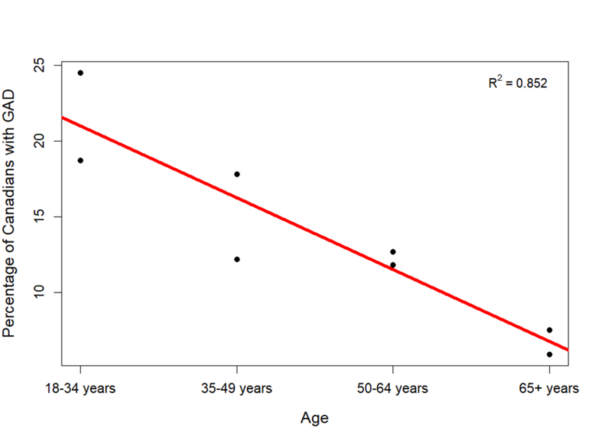
The impact of age on mental health is a crucial yet understudied aspect of public health. While mental health is gaining recognition as a vital component of overall well-being, its correlation with age remains largely unexplored. In Canada, where the median age has risen significantly over the past half-century, understanding this relationship becomes increasingly pertinent. Researchers hypothesized that older adults would exhibit lower rates of mental health disorders and report better perceived mental health due to increased emotional stability and maturity.
Read More...An accessible experiment to assess the impact of shapes of buildings and roofs on wind resistance
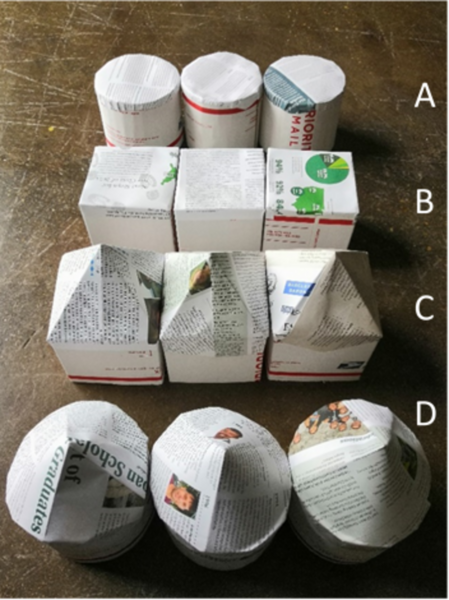
In this study, the authors determine which house model is most resistant to high winds by building smaller prototypes that could be tested with a handheld source of wind.
Read More...Thermoelectric cooling in greenhouses: Implications for small-holder production
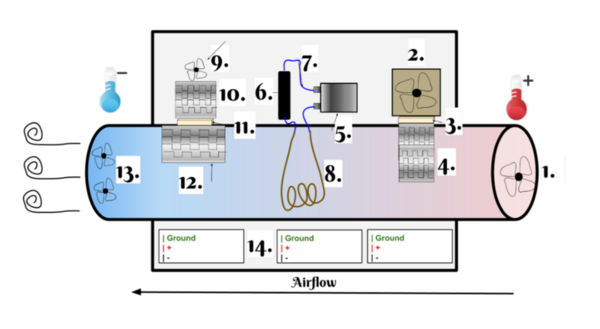
The authors set to test a system that would help with the dehumidification and overall management of greehouses.
Read More...Risk assessment modeling for childhood stunting using automated machine learning and demographic analysis
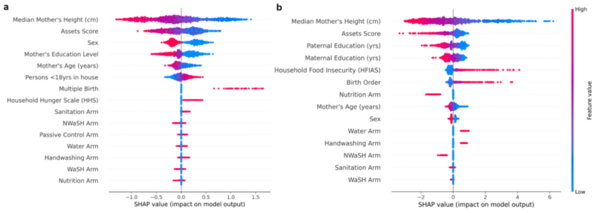
Over the last few decades, childhood stunting has persisted as a major global challenge. This study hypothesized that TPTO (Tree-based Pipeline Optimization Tool), an AutoML (automated machine learning) tool, would outperform all pre-existing machine learning models and reveal the positive impact of economic prosperity, strong familial traits, and resource attainability on reducing stunting risk. Feature correlation plots revealed that maternal height, wealth indicators, and parental education were universally important features for determining stunting outcomes approximately two years after birth. These results help inform future research by highlighting how demographic, familial, and socio-economic conditions influence stunting and providing medical professionals with a deployable risk assessment tool for predicting childhood stunting.
Read More...The impact of Red 40 artificial food dye on the heart rate of Daphnia magna
.jpg)
In this study, potential physiological effects of Red 40 food dye, found in many different food products, are tested using Daphnia magna, a small freshwater crustacean.
Read More...Effects of an Informational Waste Management App on a User’s Waste Disposal Habits
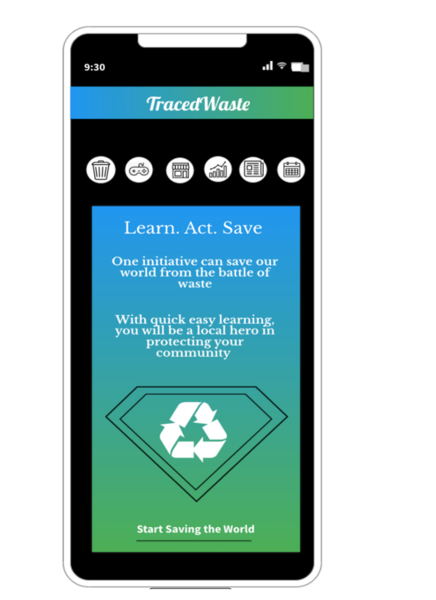
While 75% of waste in the United States is stated to be recyclable, only about 34% truly is. This project takes a stance to combat the pillars of mismanaged waste through a modern means of convenience: the TracedWaste app. The purpose of this study was to identify how individuals' waste disposal habits improved and knowledge increased (i.e. correctly disposing of waste, understanding negative incorrect waste disposal) due to their use of an informational waste management app as measured by a survey using a 1-5 Likert Scale. The results showed that the TracedWaste app helped conserve abundant resources such as energy and wood, decrease carbon emissions, and minimize financial toll all through reducing individual impact.
Read More...