Browse Articles

Characterization of antibacterial properties of common spices

Gehad et al. | Oct 03, 2020

Characterization of antibacterial properties of common spices

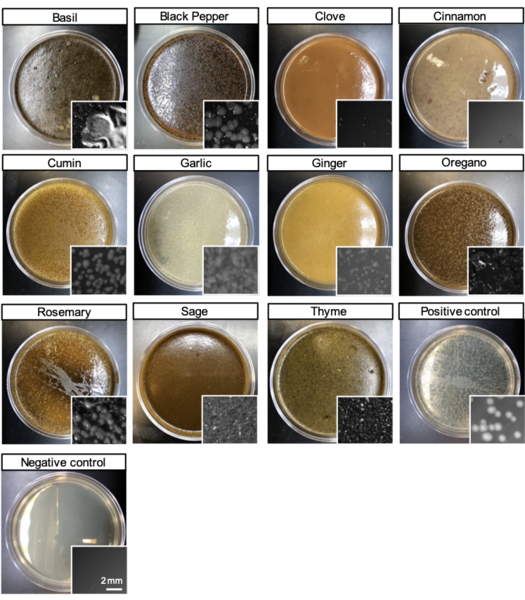
Bacterial infection is resurging as one of the most dangerous challenges facing the medical establishment. Americans spend about 55 to 70 billion dollars per year on antibiotics, yet these antibiotics are becoming increasingly ineffective as illness-causing bacteria gain resistance to the prescribed drugs. We tested if 11 commonly-used spices could inhibit growth of the gram-negative bacteria, E. coli, the main takeaway from these experiments is that certain spices and herbs have antibacterial effects that inhibit growth of E.coli , and these spices could show similarly promising activity towards other bacteria.

Read More...
The effects of a high-sucrose diet on the survival of Drosophila melanogaster from a bacterial infection

Warwick et al. | May 22, 2026

The effects of a high-sucrose diet on the survival of <i>Drosophila melanogaster</i> from a bacterial infection

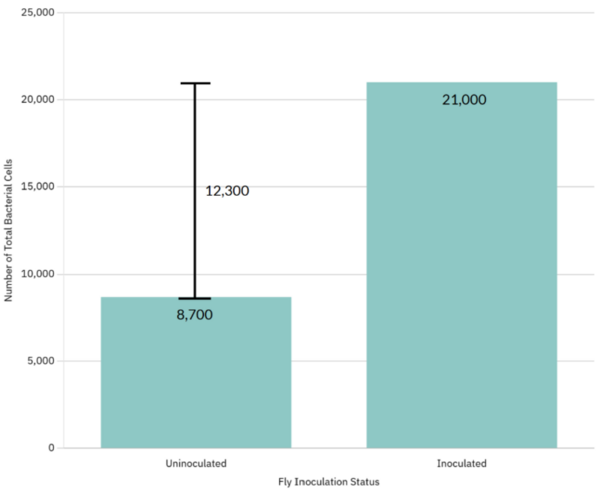
Excess sucrose consumption has been associated with several health problems, including inflammation and potential negative effects on immune function. However, the exact relationship between sucrose intake and immunity remains unclear, especially during bacterial infections. This study examined how sucrose intake affected the survival of fruit flies following oral infection with the bacterial pathogen Serratia marcescens.

Read More...

Quantifying natural recovery of dopamine deficits induced by chronic stress

Josyula et al. | Oct 27, 2025

Quantifying natural recovery of dopamine deficits induced by chronic stress
Image credit: Shawn Day

Here the authors investigated the natural recovery of stress-induced dopamine-related gene deficits in C. elegans by measuring the expression of cat-2 (dopamine biosynthesis) and sod-2 (oxidative stress) following exposure to starvation or hydrocortisone. They found that the reversibility of sod-2 and the expression of cat-2 were highly dependent on the type and severity of the stressor, suggesting that the body's natural ability to recover from dopamine dysfunction has biological limitations.

Read More...

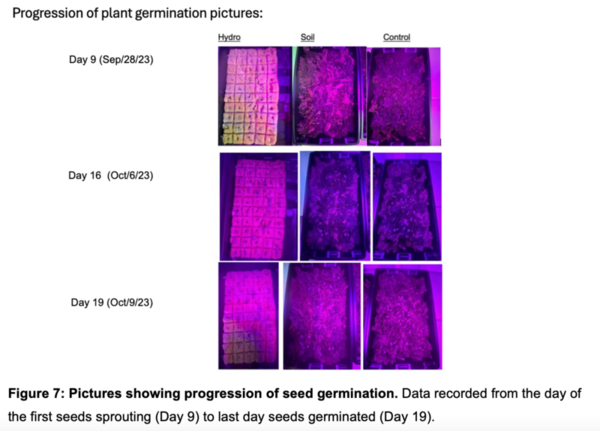
An exploration of western mosquitofish as the animal component in an aquaponic farming system

Medina et al. | Dec 03, 2024

An exploration of western mosquitofish as the animal component in an aquaponic farming system
Image credit: The authors

Aquaponics (the combination of aquatic plant farming with fish production) is an innovative farming practice, but the fish that are typically used, like tilapia, are expensive and space-consuming to cultivate. Medina and Alvarez explore other options test if mosquitofish are a viable option in the aquaponic cultivation of herbs and microgreens.

Read More...

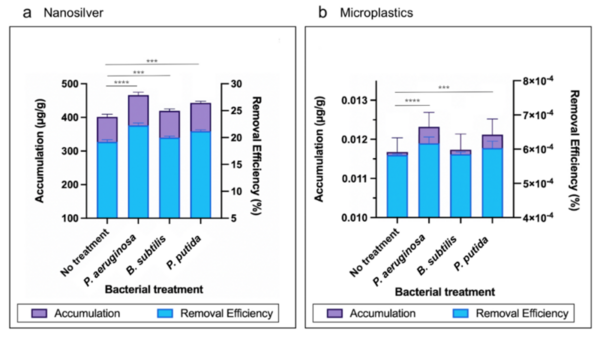
Investigating Lemna minor and microorganisms for the phytoremediation of nanosilver and microplastics

Iyer et al. | Apr 01, 2024

Investigating <i>Lemna minor</i> and microorganisms for the phytoremediation of nanosilver and microplastics

The authors looked at phytoremediation, the process by which plants are used to remove pollutants from our environment, and the ability of Lemna minor to perform phytoremediation in various simulated polluted environments. The authors found that L. minor could remove pollutants from the environment and that the addition of bacteria increased this removal.

Read More...

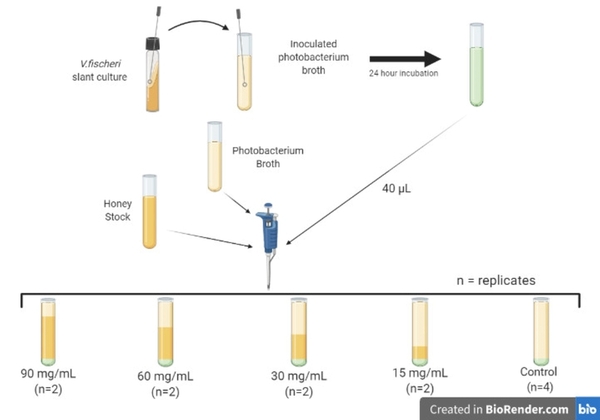
The characterization of quorum sensing trajectories of Vibrio fischeri using longitudinal data analytics

Abdel-Azim et al. | Dec 16, 2023

The characterization of quorum sensing trajectories of <i>Vibrio fischeri</i> using longitudinal data analytics

Quorum sensing (QS) is the process in which bacteria recognize and respond to the surrounding cell density, and it can be inhibited by certain antimicrobial substances. This study showed that illumination intensity data is insufficient for evaluating QS activity without proper statistical modeling. It concluded that modeling illumination intensity through time provides a more accurate evaluation of QS activity than conventional cross-sectional analysis.

Read More...