Browse Articles

Exogenous foliar thiamine application as an alternative strategy to mitigate lead stress in Lepidium sativum

Chen et al. | Oct 28, 2026

Exogenous foliar thiamine application as an alternative strategy to mitigate lead stress in <i>Lepidium sativum</i>

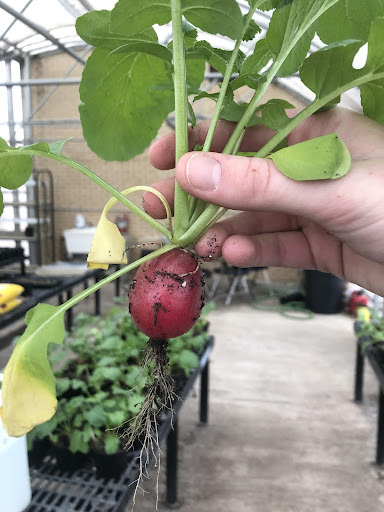
This study investigated whether thiamine (vitamin B1) could mitigate the harmful effects of lead contamination on plant growth. Using garden cress (Lepidium sativum), we found that lead exposure reduced plant growth and biomass, while thiamine treatment partially alleviated these effects, improving shoot length and overall plant length. These findings highlight the potential of thiamine as a simple strategy to improve plant resilience to heavy metal stress, with implications for agricultural productivity and food security.

Read More...

The effect of wild orange essential oil on ascorbic acid decay in freshly squeezed orange juice

Sebek et al. | Feb 25, 2022

The effect of wild orange essential oil on ascorbic acid  decay in freshly squeezed orange juice

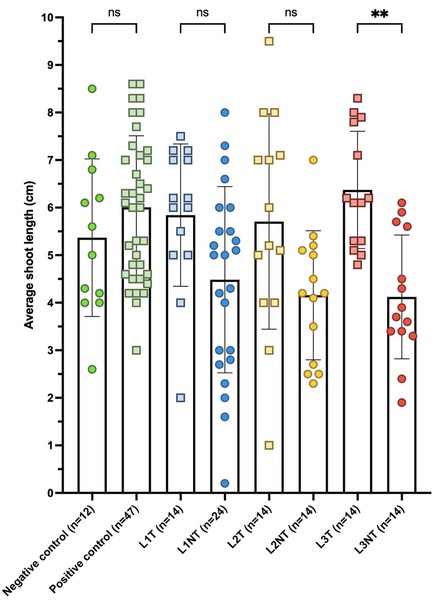
The goal of this project was to see if the addition of wild orange essential oil to freshly squeezed orange juice would help to slow down the decay of ascorbic acid when exposed to various temperatures, allowing vital nutrients to be maintained and providing a natural alternative to the chemical additives in use in industry today. The authors hypothesized that the addition of wild orange essential oil to freshly squeezed orange juice would slow down the rate of oxidation when exposed to various temperatures, reducing ascorbic acid decay. On average, wild orange EO slowed down ascorbic acid decay in freshly squeezed orange juice by 15% at the three highest temperatures tested.

Read More...

The effect of common food preservatives on the growth of bacteria

Yulin et al. | Jul 06, 2025

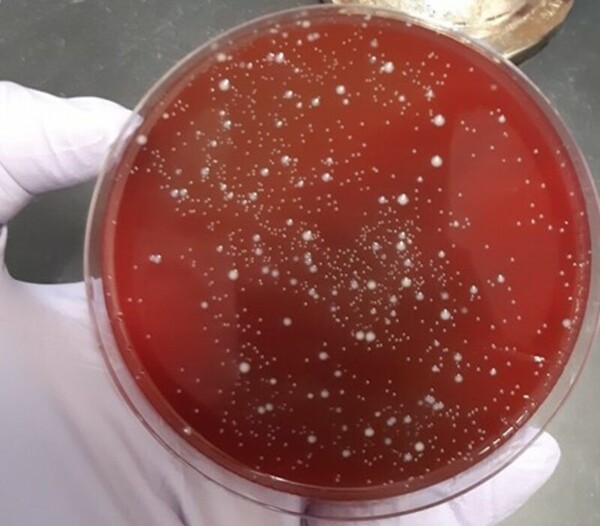
The effect of common food preservatives on the growth of bacteria
Image credit: Michael Schiffer

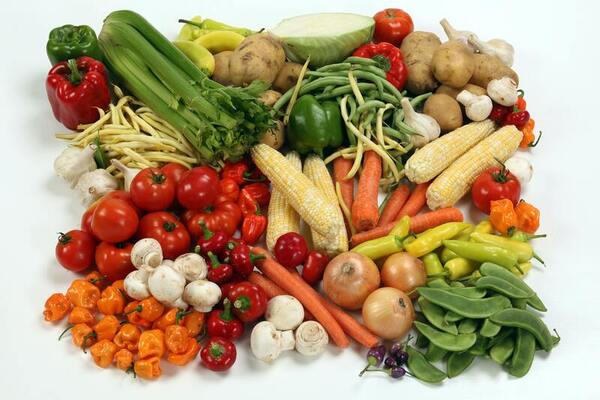
Here the authors aimed to find the best preservative combinations to stop bacterial growth in food, using data modeling and biochemical experiments. They discovered that single preservatives are often not enough, with varying effectiveness against different bacteria, and suggest future research into combining preservatives for better results.

Read More...

The Effect of Cooking Method on the Amount of Fat in an Egg

Srinivasan et al. | Dec 01, 2014

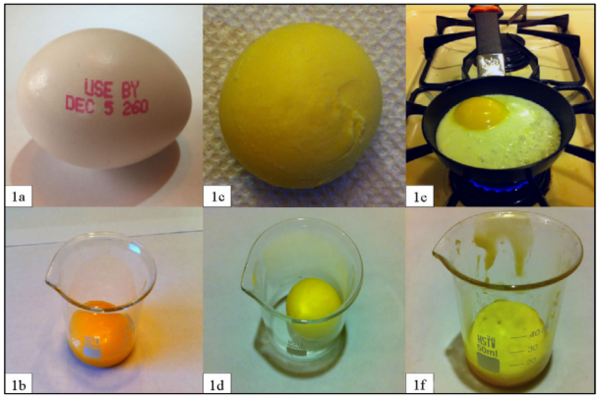
The Effect of Cooking Method on the Amount of Fat in an Egg

Fat can be chemically altered during cooking through a process called lipid oxidation, which can have a negative impact on health. In this study, the authors measured the extracted fat in raw, fried and hard-boiled eggs and found that cooking eggs to a higher temperature resulted in a lower amount of extracted fat, indicating a greater amount of oxidized fat.

Read More...